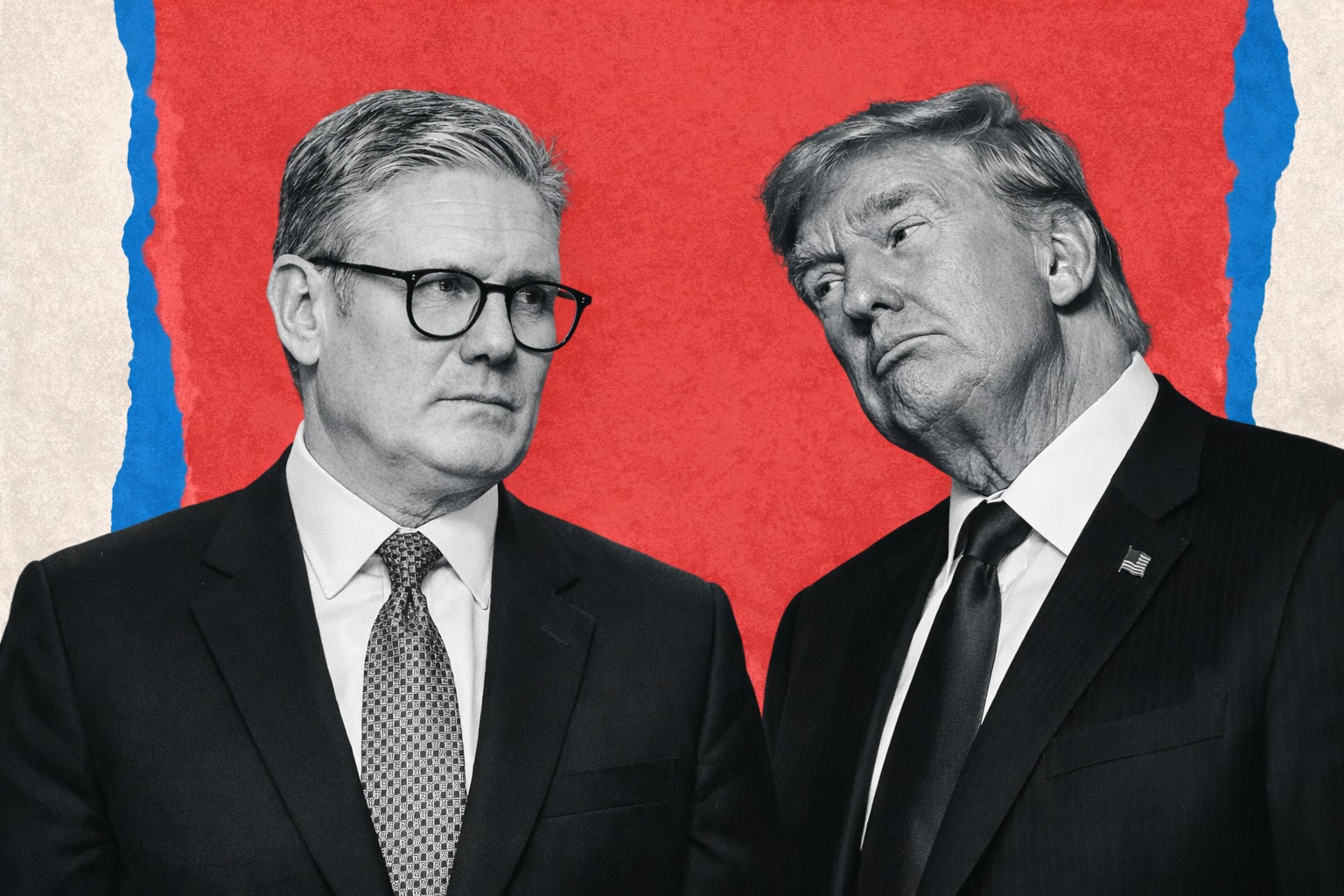
US President Donald Trump has sharply escalated his critique of the United Kingdom's controversial agreement to transfer sovereignty of the Chagos Islands to Mauritius. Trump warns that the deal, struck with Prime Minister Sir Keir Starmer's government, could significantly undermine Western defence capabilities and jeopardise the vital military base on Diego Garcia in the Indian Ocean.
A "Big Mistake" that Weakens Defence
In a series of strong statements, primarily on his Truth Social platform, Trump branded the agreement a "big mistake." His comments focus on the perceived risk of relinquishing formal UK sovereignty over the archipelago, despite the deal – reached in 2025 – securing a 99-year lease back of the Diego Garcia base for the UK. He asserted that the land "should not be taken away from the UK," framing his criticism around concerns that it would weaken Western defence positions globally.
The Strategic Importance of Diego Garcia
The joint UK-US military base on Diego Garcia, a central part of the Chagos Archipelago, is a decades-old cornerstone of Western defence strategy. Its deep-water port and long runway are critical for the strategic deployment of naval vessels and aircraft across Asia, the Middle East, and Africa, making it one of the most important US-allied bases outside the continental United States.
London maintains the sovereignty transfer and long-term lease, which involves annual payments to Mauritius, is the only viable path to secure the base's future. This resolution followed a significant legal and diplomatic defeat for the UK, including adverse rulings by the International Court of Justice and a United Nations resolution calling for the territory's return to Mauritius.
Linking the Deal to Geopolitical Flashpoints
Adding a serious geopolitical dimension, Trump explicitly connected the Chagos Islands issue to potential military action against Iran. He suggested that the installations on Diego Garcia could be crucial in future operations should diplomatic efforts with Tehran fail.
Trump’s strong condemnation stands in stark contrast to the official position of the US government. The State Department has formally endorsed the UK-Mauritius agreement, confirming Washington "supports the decision" and plans to negotiate future arrangements with Mauritius. This mixed messaging has created confusion and highlighted internal US divisions regarding the deal.
Meanwhile, the UK government has firmly defended its position. A spokesperson for the Foreign, Commonwealth and Development Office stated the deal was "crucial to the security of the UK and our key allies," presenting it as a pragmatic resolution necessitated by long-standing international legal pressure and diplomatic entreaties.
Domestic and Human Rights Implications
Trump’s intervention has bolstered critics within the UK, particularly among Conservative figures and sovereigntist voices like Reform UK. Shadow figures such as Dame Priti Patel have echoed concerns, arguing that the UK is ceding strategic advantage and sovereignty for uncertain security guarantees, calling for a renegotiation or scrapping of the deal.
Overlapping the strategic debate is the painful legacy of the Chagossian population, who were forcibly removed in the 1960s and 1970s to establish the base. The sovereignty dispute is deeply entwined with the UK’s efforts to address historical injustice and comply with international law, even as critics argue the displaced community has not received adequate compensation or restoration rights.
Geopolitical Fault Lines and Alliance Dynamics
The escalating row highlights fundamental geopolitical fault lines: the balancing act between legal and moral obligations versus strategic and security imperatives. In an era of increasing competition with global powers, military assets like Diego Garcia are highly prized. Trump's public warnings reflect a perspective that such strategic assets must remain under the firm control of traditional Western powers, regardless of evolving legal and diplomatic frameworks with allies like Mauritius.
As UK-Mauritius talks continue and Washington’s internal foreign policy debates play out, the future of the Diego Garcia base remains a complex, delicate issue that reverberates across global politics, alliance cohesion, and regional security architecture.


.jpg)
.jpg)
.jpg)