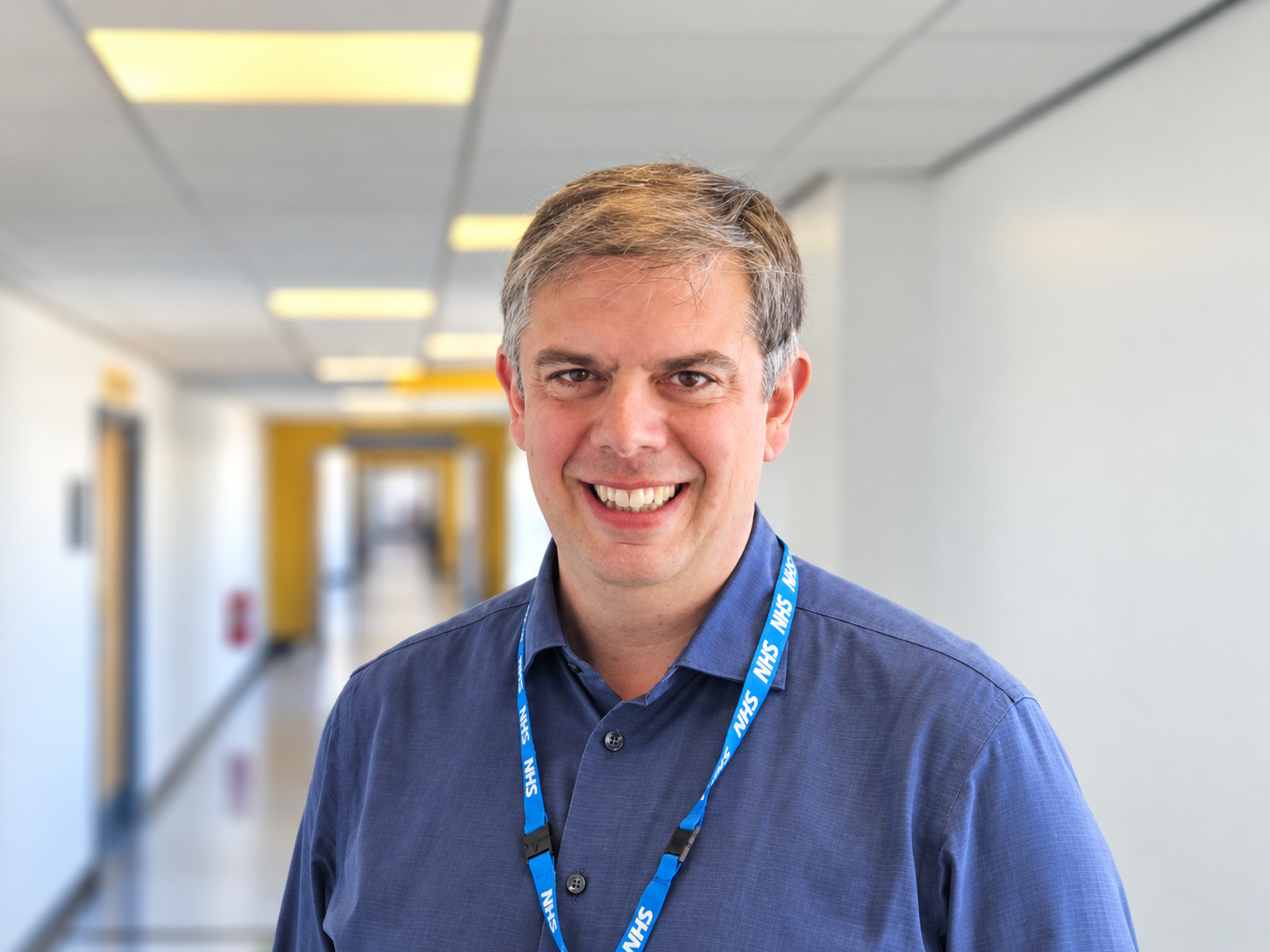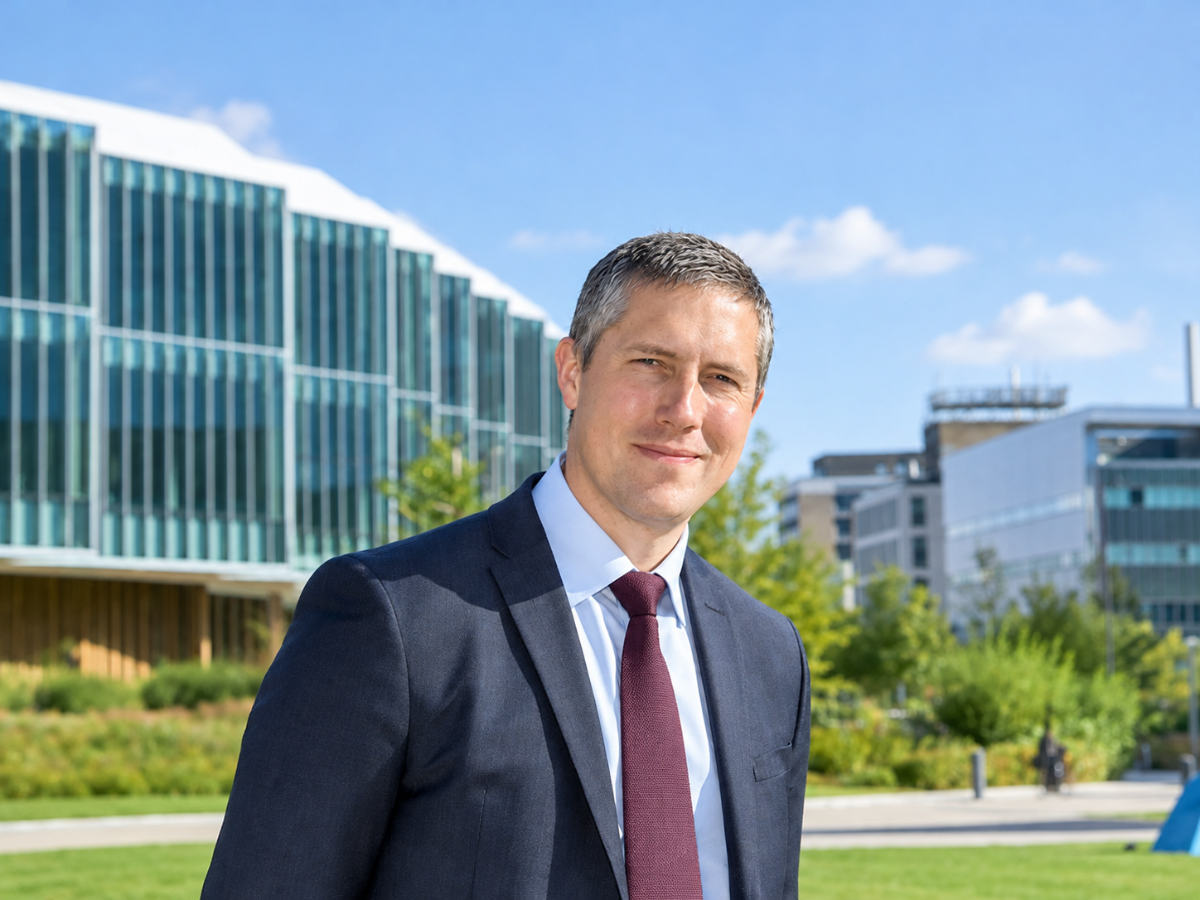
Nick Kirby, Interim Chief Operating Officer at Cambridge University Hospitals NHS Foundation Trust
Tony Chapman does not know what was in the infusion. For about a year at the NIHR Cambridge Clinical Research Facility, the 75-year-old received an established immunotherapy drug alongside either a personalised mRNA vaccine or a placebo, and neither he nor his clinicians were told which. He remains cancer free. This month the headline results arrived. Across more than 1,000 patients with high-risk melanoma, the vaccine combined with immunotherapy reduced the risk of death or recurrence by 42 percent compared with immunotherapy alone. Chapman called it groundbreaking. He may well be right. A trial result is not a service, though, and the distance between the two is where NHS leaders earn their pay.
The caveats are real. The findings have yet to be peer reviewed, and regulators must approve the vaccine before any patient can receive it on the NHS. Suppose both hurdles are cleared. The vaccine is built individually. After surgery, a fragment of the patient's tumour is sequenced and a bespoke product is made from it. That sets off a chain of sample handling, pathology, sequencing, manufacture, return transport, pharmacy preparation and infusion scheduling, all against the clock for a patient with a high-risk cancer. A research programme can fund a dedicated team to run that chain. A routine pathway must run it through the same theatre lists, laboratory backlogs and treatment chairs that are already stretched by elective recovery and cancer waiting-time pressure.
This is the territory of the chief operating officer, and at Cambridge University Hospitals, which runs Addenbrooke's and the Rosie, the post is held on an interim basis by Nick Kirby. He took it up after Nicola Ayton was appointed chief executive. A COO in an acute trust is the person who must reconcile today's queue with tomorrow's treatment, and rarely has the luxury of choosing one. The post rewards someone who can keep flow moving on a Tuesday morning while still understanding where the organisation is heading.
Kirby's record suggests that range. He joined the NHS as a graduate trainee in 2004 and has since held operational leadership roles at Guy's and St Thomas', University College London Hospitals and Sherwood Forest Hospitals. That means two of the country's largest teaching hospitals and a mid-sized acute trust with very different constraints, which is a useful education in how the same national policy lands differently depending on scale and local capacity. He then moved into system-level work as Managing Director of the Shelford Group and of the UCL Health Alliance. Those jobs are about persuading proud institutions to cooperate without any power to compel them. Personalised cancer vaccines will need exactly that. Sequencing and manufacturing capacity will not exist in every hospital, so access will depend on networks, referral routes and shared standards between organisations that are used to competing for status.
The piece of his history most relevant to Cambridge is the least conventional for an operations leader. Kirby covered maternity leave for the Director of Strategy and Major Projects, with a particular focus on the new children's hospital and the Cambridge Cancer Research Hospital. The latter is designed to bring research and clinical care into one building on the Cambridge Biomedical Campus, so that new treatments reach patients without the usual lag. Few operational leaders have helped shape such a building and then taken responsibility for the wards that will use it. He has also worked with organisations across the campus, which is Europe's largest biomedical site and the setting where hospital, university and industry interests have to be made to align.
None of this guarantees results. He is an interim appointee, the vaccine is not yet approved, and the proper test of an operator is what the waiting list and the pathway look like a year from now. The wider system also has to do its part. Commissioners will need funding models for treatments priced and manufactured in new ways. Health data must move securely between hospitals and laboratories. Policymakers who speak of life sciences ambition should recognise that ambition is delivered through pathology turnaround times and infusion capacity.
If the melanoma vaccine reaches NHS patients, the headlines will credit the scientists, and rightly so. The patients who benefit will do so because someone made the dull parts work. Cambridge appears to have placed an experienced operator, with strategic training and a feel for the campus, in the right seat at the right moment. The remaining question is whether the national system will give him what he needs.