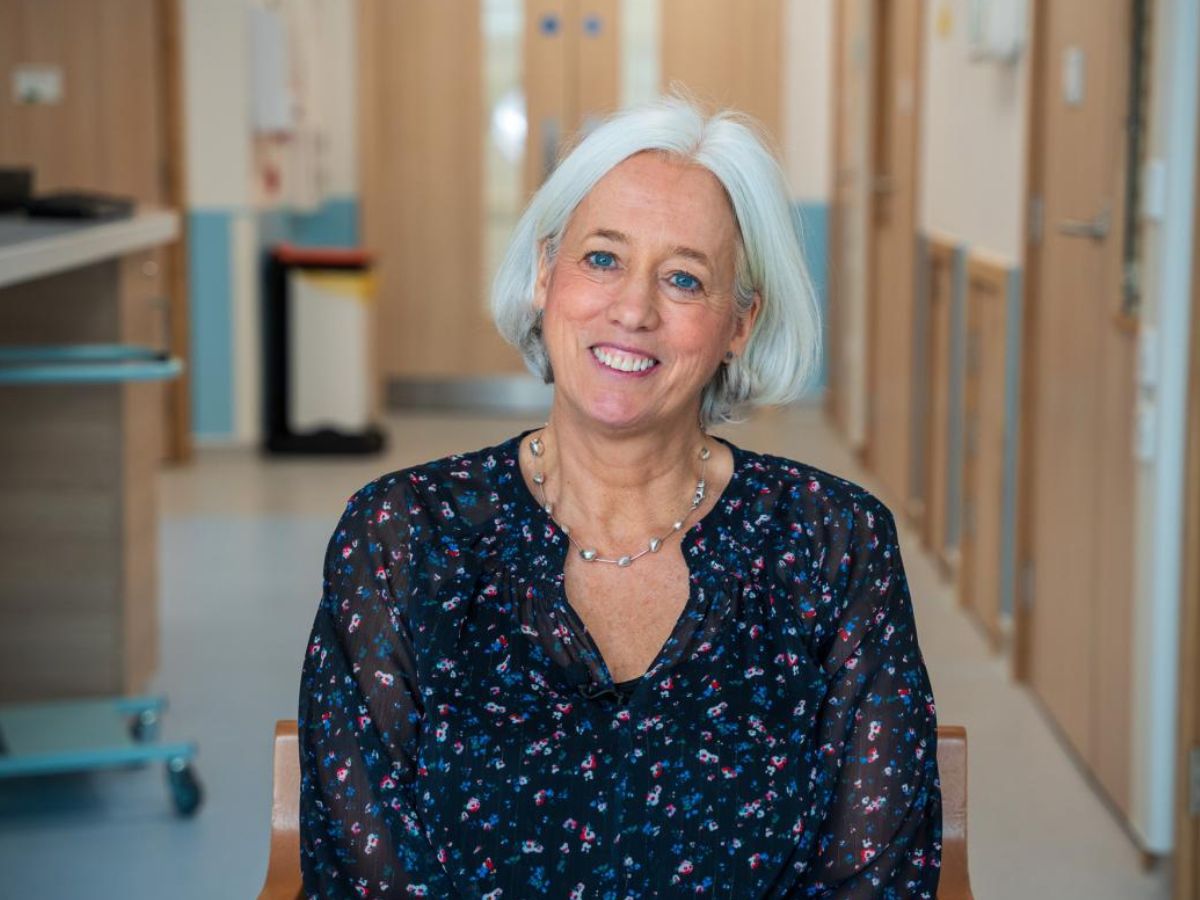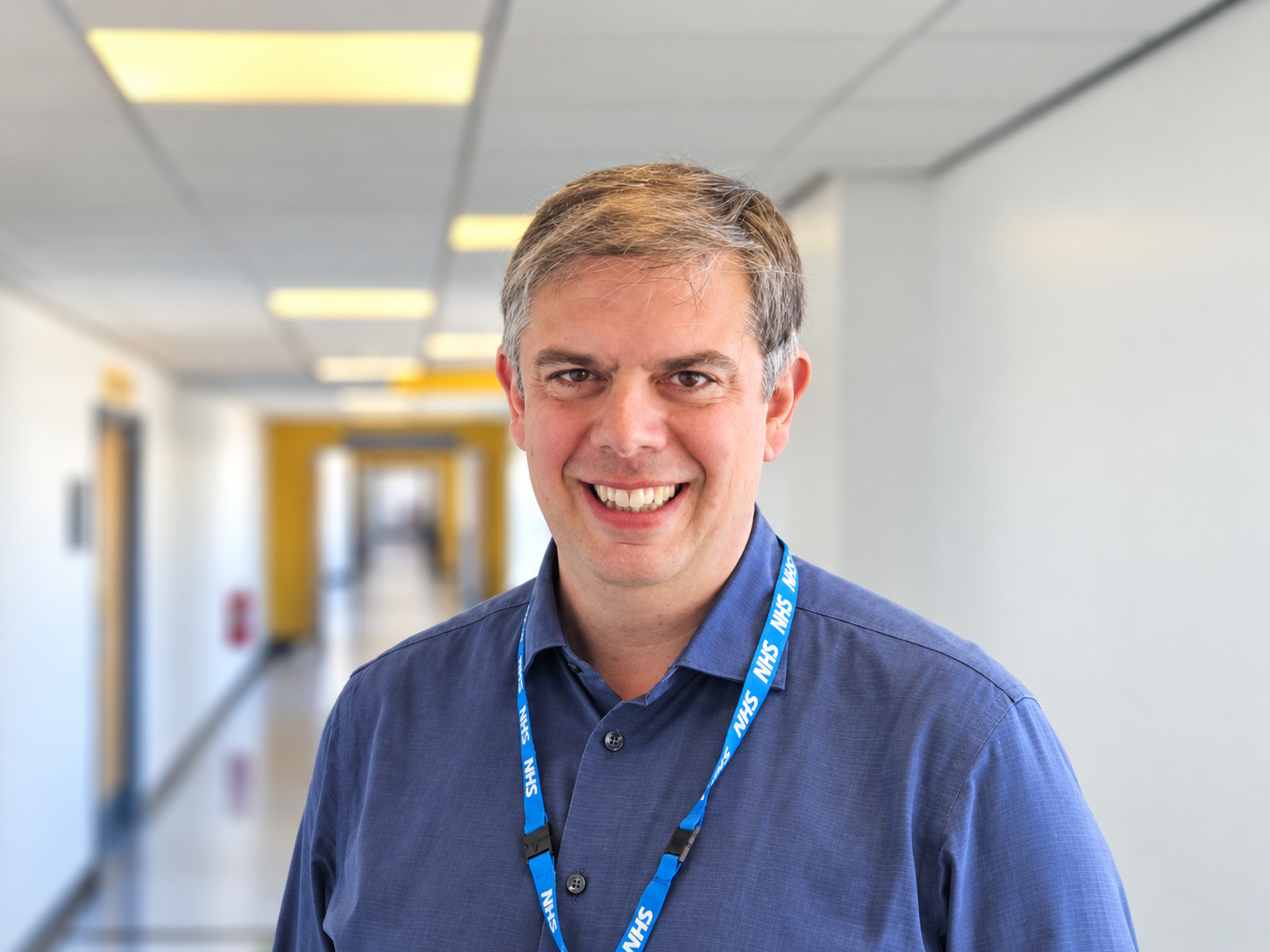
Andrew Hall, Chief Operating Officer (COO) of Nottingham University Hospitals NHS Trust (NUH)
On a Tuesday this autumn, more than 200 patients were in the emergency departments run by Nottingham University Hospitals, and over 100 of them were waiting to be seen. The trust declared a critical incident, its fourth of 2026, and stood it down at 13:30 the following day once the numbers had fallen. A union representing front-line staff described colleagues as being at absolute breaking point. The person charged with turning that pressure into something manageable is the chief operating officer, Andrew Hall.
Hall joined the trust in July 2025 after more than eleven years at University Hospitals of Derby and Burton, where he held operational and divisional leadership roles and finished as executive chief operating officer. Earlier in his career he worked in local government and the NHS across Nottingham and Nottinghamshire. He has chaired Nottingham Emergency Medical Services and the East Midlands Radiotherapy Network. Few executives arrive with a comparable map of the local system, and in urgent care that map has practical value. Hospital flow depends on ambulance handovers, community capacity, social care and the willingness of neighbouring organisations to share risk.
The appointment matters beyond the East Midlands. Urgent and emergency care is where government promises on waiting times and the end of corridor care will be judged by the public. Nottingham is one of the largest acute providers in the country, and its trust board has been in open conversation with regulators about the experience of patients and staff. The chief operating officer role is where that national ambition becomes bed availability, discharge timing and staffing rotas.
There is a case that the trust is pulling the right levers. It has opened a new general internal medicine ward, begun a programme to reduce length of stay that it says is producing positive results, and is moving more staff into A&E. Each of these belongs to the operational portfolio. Shorter stays release beds upstream, which relieves the emergency department. A dedicated medical ward gives admitted patients somewhere to go other than a trolley in a corridor. The trust has not credited any of this to Hall personally, and it would be wrong to do so. Still, this is the sequence an experienced operational leader would favour, which is to fix internal flow before asking the front door to absorb more.
The difficulties remain substantial. Critical incidents lasted two days in January and four in February, and a fourth was declared in June during hot weather. September brought 2,000 more A&E attendances than the previous September. A rise in cardiology patients needing prolonged intensive care drew resources away from other areas. The union says staff have raised concerns repeatedly with trust leaders and found the responses insufficient. It wants more staff with specialist emergency training, better preparation for treating mental health patients and stronger protection against violence. Those demands reach past operations into workforce planning, culture and security, and no single executive controls all of them.
That is why the assessment of Hall should rest on a short list of measurable outcomes. The first is how often critical incidents are declared and how quickly they end. The second is the number of patients cared for in corridors. Length of stay and the proportion of patients seen within target times follow, and staff reports of safety and abuse deserve equal weight. If those figures move in the right direction through the winter, the trust will have evidence that its approach works. If they do not, the explanation will lie in system capacity and national funding as much as in local management.
For policymakers the lesson is practical. Operational leaders need time, stable priorities and honest data to do this work, and trusts should be judged on trends rather than on single bad days. For NHS leaders elsewhere, Nottingham offers a live test of whether deep local knowledge can shorten the distance between a plan and a cleared corridor.
Hall has the right background for a very hard job. The next critical incident, or the absence of one, will say more than any profile can.