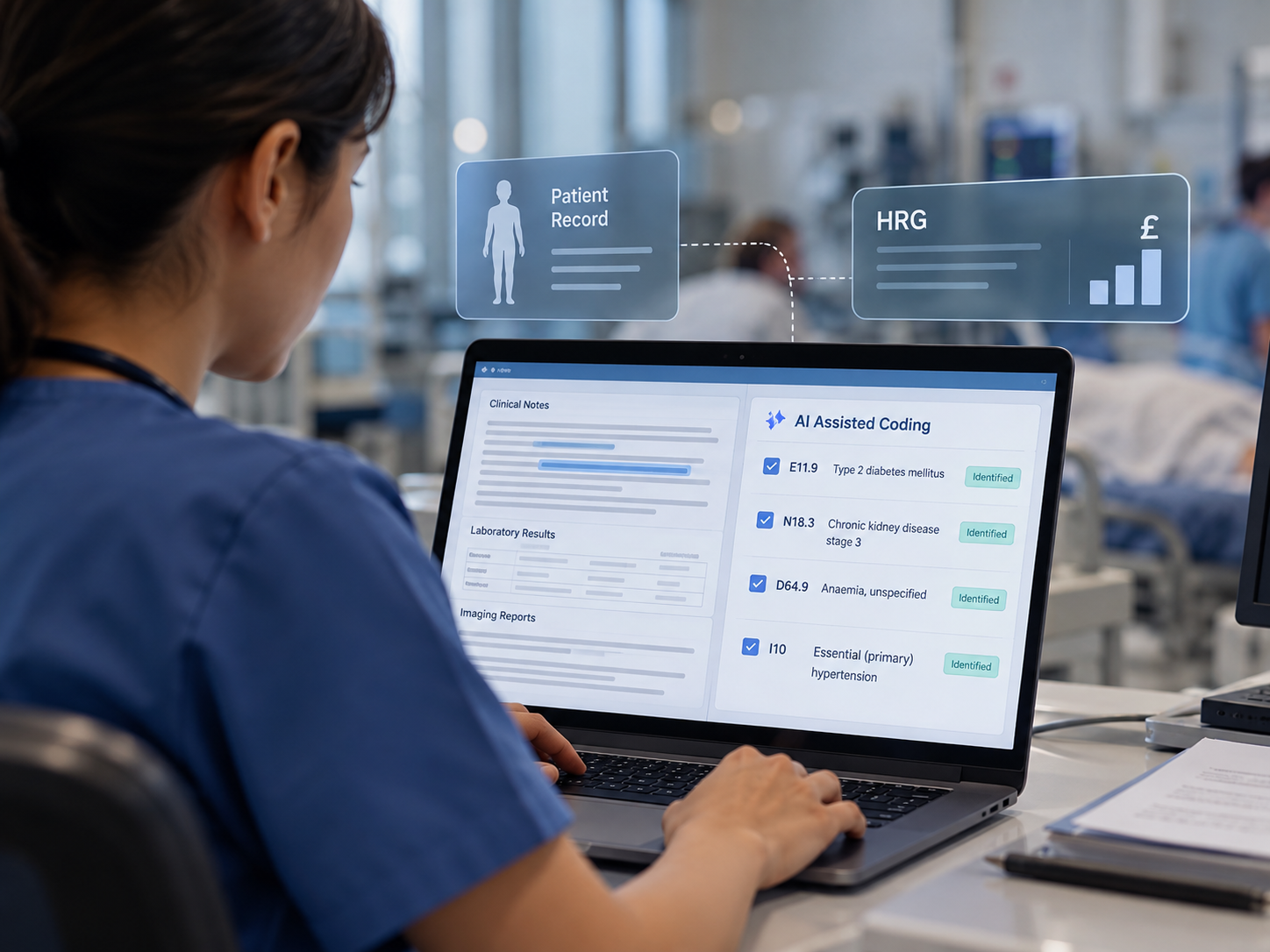
Across pharmaceutical research labs, artificial intelligence companies, wearable technology startups and venture capital funds, billions of dollars are being deployed into a single idea: healthcare will soon operate as a data-driven technology ecosystem.
Artificial intelligence is designing drugs before they reach laboratories. Digital therapeutics are being reimbursed like prescription medicines. Wearables are evolving into clinical monitoring systems. And a new generation of disease intelligence platforms is emerging to map how illnesses behave across entire healthcare systems.
The scale of investment reflects the ambition. Venture funding into health technology and AI-enabled healthcare continues to surge, while pharmaceutical companies are investing billions in computational drug discovery and digital clinical infrastructure.
For investors, the opportunity is enormous.
For healthcare systems, the implications are profound.
Because the companies shaping the future of medicine may not look like traditional pharmaceutical giants or hospital operators. They may look more like technology platforms.
Pharma and Digital Health | Artificial intelligence becomes the new laboratory
For years artificial intelligence sat quietly in pharmaceutical strategy presentations, often described as the future of drug discovery.
Today that future is arriving.
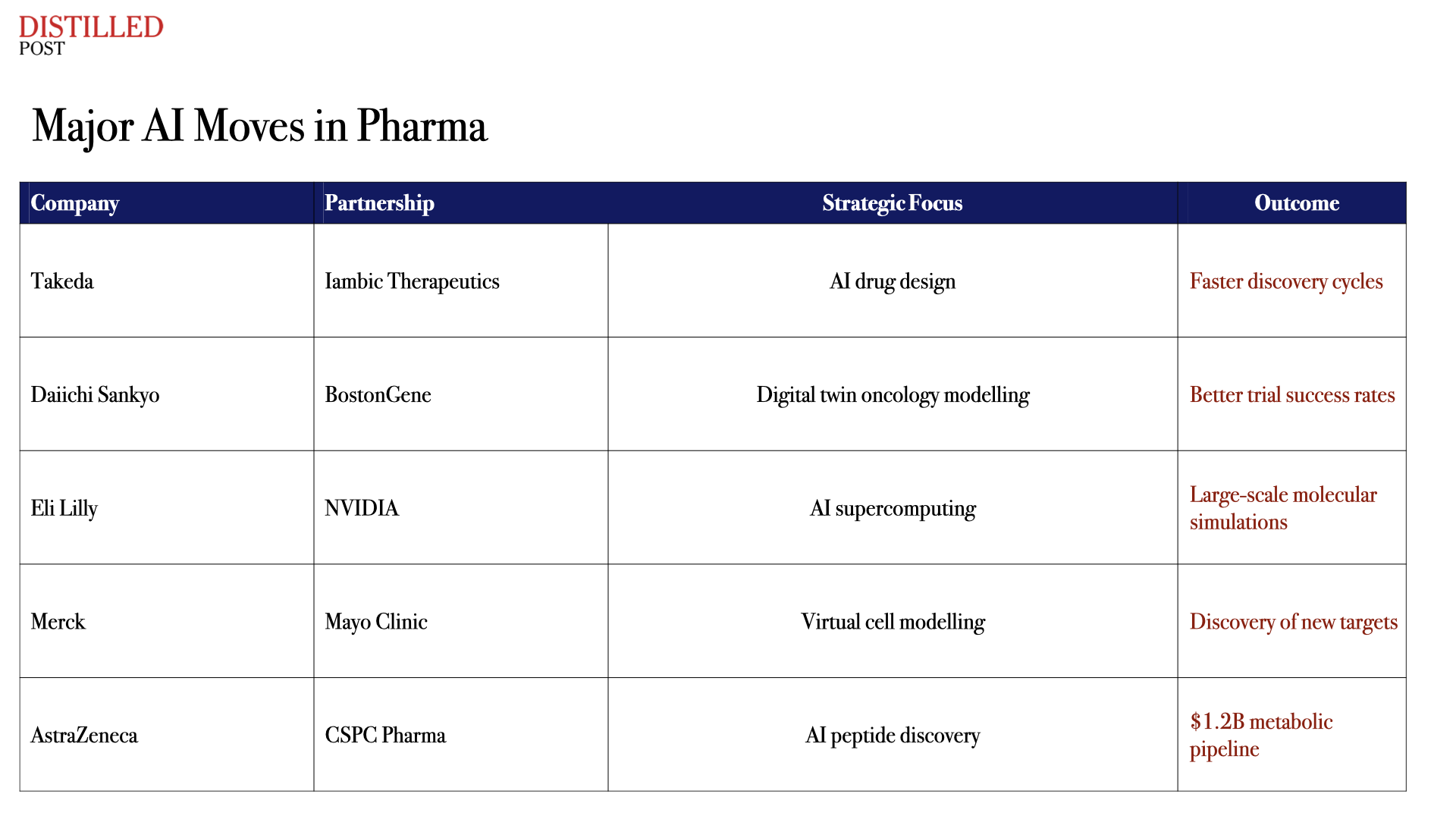
Drug development is increasingly becoming a computational challenge where algorithms simulate molecular behaviour, predict biological responses and identify optimal clinical trial populations before any patient is enrolled. Takeda’s collaboration with Iambic Therapeutics reflects this shift clearly. The partnership integrates AI directly into the design–make–test cycle used in drug development, allowing thousands of potential molecules to be evaluated computationally before they are synthesised in laboratories. Daiichi Sankyo has taken a different path, working with BostonGene to build digital twin models of cancer patients. These models simulate tumour behaviour using biomarker data to improve patient selection in oncology trials.
Infrastructure investment is accelerating at the same time. Eli Lilly recently deployed NVIDIA’s DGX B300 AI supercomputer within its discovery environment, dramatically increasing the computational power available to its research teams.
Merck is experimenting with another model. The company will run AI systems inside Mayo Clinic’s secure clinical environment to train virtual cell systems using real patient data, identifying new therapeutic targets across inflammatory and neurological diseases.
Deal structures are evolving as well. AstraZeneca recently signed a $1.2 billion collaboration with CSPC Pharmaceutical Group covering eight programmes in obesity and metabolic disease, gaining access to both drug candidates and the AI discovery platform that generated them.
Clinical development is also evolving.
Bristol Myers Squibb is using an agentic AI platform developed by Evinova to simulate thousands of potential clinical trial designs before studies begin. The objective is simple: run fewer trials but dramatically increase the probability of success. Astellas Pharma has joined the same platform ecosystem, converting trial protocols into machine-readable designs that allow algorithms to optimise recruitment and reduce costly amendments. Shionogi has begun integrating digital biomarkers into early-stage neuroscience trials through wearable EEG monitoring platforms developed by Cumulus Neuroscience.
Even patient care is now becoming part of the pharmaceutical digital infrastructure. Johnson & Johnson has extended its Trellus Health programme supporting patients with inflammatory bowel disease through behavioural support tools integrated with therapy pathways. Across the pharmaceutical industry the direction is unmistakable.
Drug discovery is becoming computational.
Disease Intelligence Platforms | Mapping Diseases, not just Drugs
Alongside discovery platforms another category of innovation is emerging.
Instead of focusing solely on new drugs, some companies are building disease intelligence platforms designed to understand how illnesses behave across real-world healthcare systems.
One example is Sanius Health, a UK-based AI and real-world evidence platform focused on complex haematological diseases.
The company has developed specialised data infrastructure across Myeloproliferative Neoplasms (MPN) and Sickle Cell Disease (SCD), two areas where fragmented patient pathways and limited datasets have historically slowed therapeutic development. By combining patient registries, clinical data and AI-driven analytics, these platforms allow pharmaceutical companies to understand disease progression, treatment outcomes and patient populations far beyond the constraints of clinical trials.
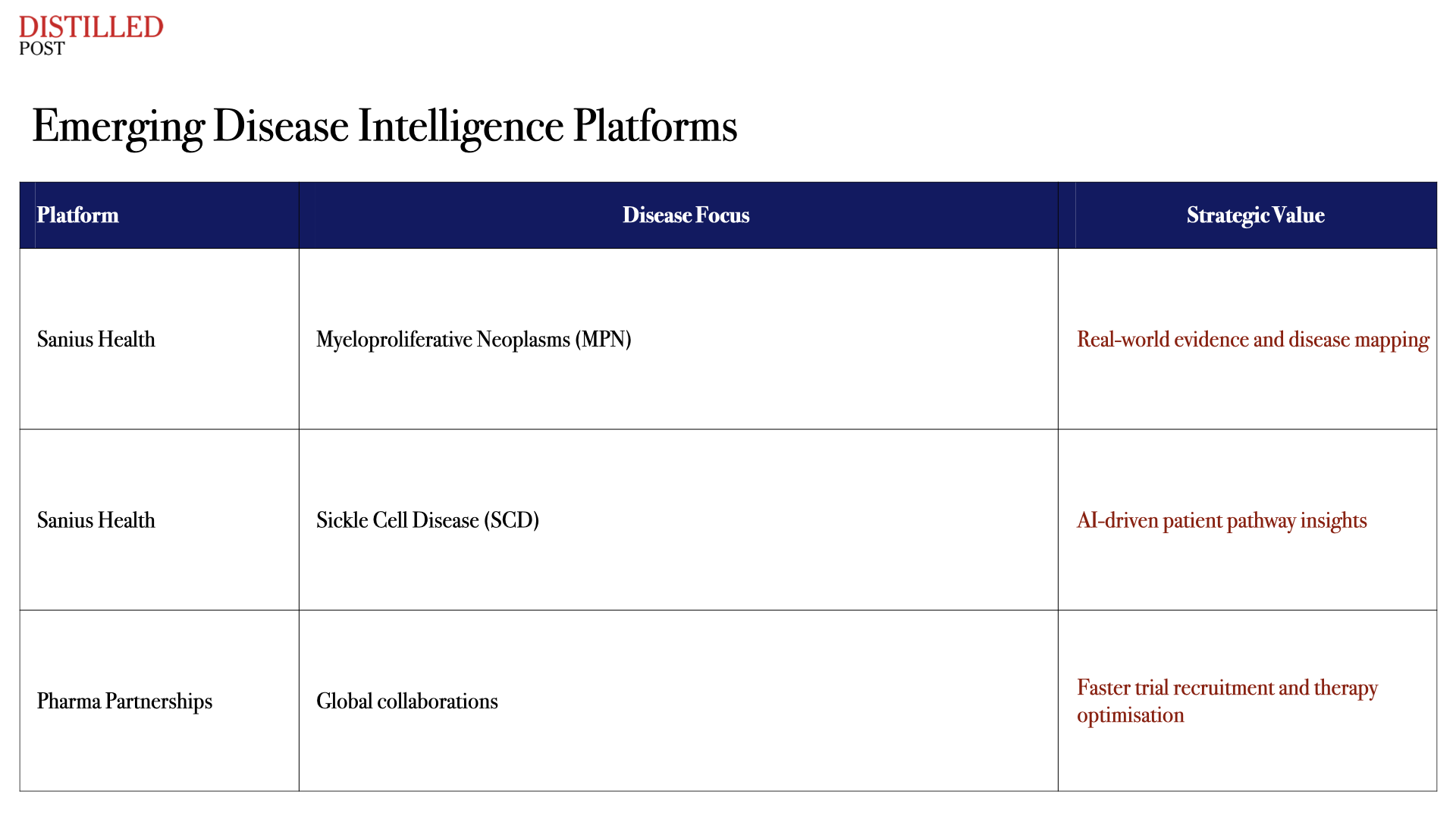
Sanius Health is currently working with three large global pharmaceutical companies on undisclosed programmeswithin these disease areas.
The partnerships highlight a broader trend in the pharmaceutical industry. Rather than building every digital capability internally, drug developers are increasingly partnering with specialist platforms that understand specific disease ecosystems. For conditions such as MPN and SCD, where patient populations are smaller but clinical complexity is high, these insights can dramatically accelerate therapy development.
In short, while AI is transforming how drugs are discovered, platforms like these are beginning to transform how diseases themselves are understood.
Digital Therapeutics | Software becomes Medicine
Digital therapeutics have spent years attempting to prove their clinical credibility. Now they are beginning to prove their commercial viability.
The introduction of new Medicare reimbursement codes for digital mental health treatments in the United States has fundamentally changed the economics of the sector. Software-based therapies can now generate reimbursable revenue in much the same way pharmaceuticals do. Big Health recently raised $23.7 million to expand adoption of its digital treatments for insomnia and anxiety, both of which now qualify under these new billing frameworks. Germany’s DiGA programme has already shown that reimbursement unlocks adoption. With the United States now following a similar model, digital therapeutics may finally reach scale.
Companies across the sector are expanding their clinical ambitions. Omada Health has extended its cardiometabolic platform into cholesterol management, building a broader ecosystem spanning prevention, monitoring and behavioural care. Luminopia has secured insurance coverage for its virtual-reality therapy for amblyopia, a childhood vision disorder traditionally treated with eye patches.
Another emerging platform, GAIA, is targeting female sexual dysfunction using CBT-based digital therapy that has demonstrated clinical outcomes comparable to in-person psychotherapy.
Digital therapeutics are unlikely to replace doctors. But they are rapidly extending the reach of healthcare systems facing severe workforce shortages.
Health Tech | Diagnostics approach science fiction
The next generation of health technology is pushing diagnostics into territory that would have seemed implausible a decade ago.
A large NHS study of Eko’s AI-enabled digital stethoscope found that patients were twice as likely to be diagnosed with heart failure when clinicians used the technology consistently. Earlier diagnosis of heart failure could prevent thousands of hospital admissions each year.
Elsewhere researchers are exploring entirely new treatment paradigms. Scientists have engineered insulin-producing cells capable of sensing glucose levels and releasing insulin automatically. These living implants could one day eliminate the need for daily injections in patients with type 1 diabetes.
Cancer diagnostics are advancing rapidly. Vocxi Health is developing a graphene-based breath test capable of detecting lung cancer through volatile organic compounds present in exhaled air.
In global health settings innovation is also accelerating. A Kenyan-led initiative has developed a rapid tuberculosis diagnostic designed for low-resource environments that delivers results faster and at lower cost than conventional laboratory tests.
Another research team has developed a device that delivers antibiotics directly to wound sites through aerosol mist, concentrating treatment precisely where infections occur. Diagnostics are steadily moving out of hospitals and into everyday environments.
Wearables and Sensors | The body becomes a continuous data platform
Wearables are undergoing one of the most important transformations in healthcare technology.
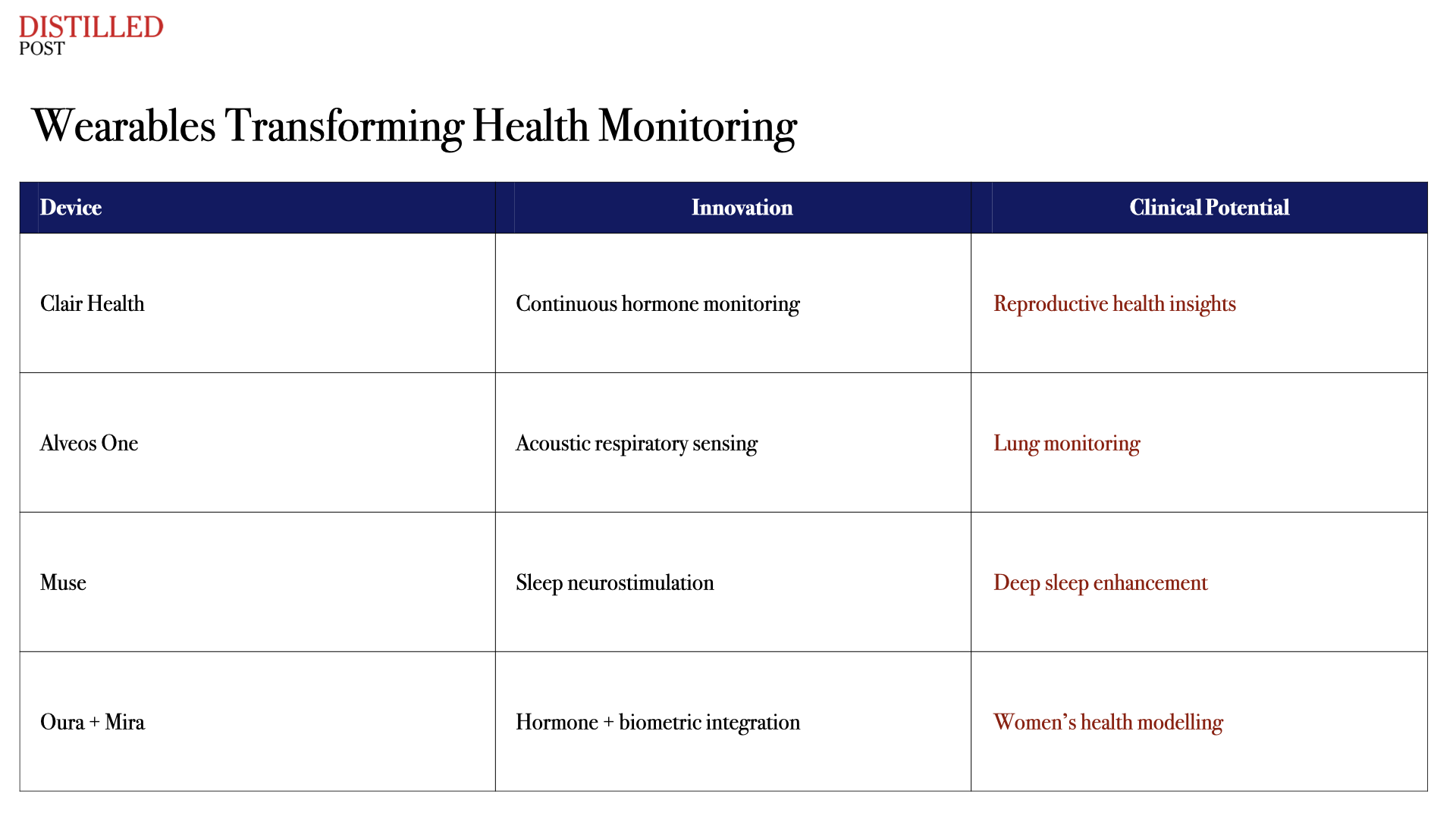
What began as consumer fitness tracking is quickly evolving into clinical monitoring infrastructure capable of capturing continuous physiological data. Clair Health has launched a wearable system capable of monitoring hormonal fluctuations across menstrual cycles using multiple biosensors and machine learning models trained on diverse physiological datasets.
Respiratory monitoring is advancing as well. Alveos recently introduced an acoustic wearable capable of analysing chest vibrations to track breathing patterns more precisely than traditional optical sensors.
Sleep technology is also evolving. Muse has developed a neurostimulation wearable that delivers gentle electrical pulses during slow-wave sleep to enhance deep restorative sleep cycles. Meanwhile the integration of multiple health signals is becoming increasingly important. Mira and Oura have partnered to combine hormone testing data with wearable biometric tracking, producing more comprehensive insights into women’s health.
But some of the most advanced work in wearable medicine is now emerging from clinical research environments rather than consumer technology companies. A study led by Sanius Health explored how wearable biometric data combined with electronic patient-reported outcomes could predict pain crises in Sickle Cell Disease.
The research analysed continuous biometric signals and daily patient-reported outcomes from individuals living with the condition, identifying measurable physiological changes in the days preceding vaso-occlusive crises, the painful episodes responsible for the majority of hospitalisations in SCD patients.
Researchers observed significant changes in metrics such as respiratory rate, oxygen saturation and heart rate variability before these events occurred, suggesting wearable monitoring may enable earlier intervention and prevent hospital admissions.Researchers observed significant changes in metrics such as respiratory rate, oxygen saturation and heart rate variability before these events occurred, suggesting wearable monitoring may enable earlier intervention and prevent hospital admissions.Researchers observed significant changes in metrics such as respiratory rate, oxygen saturation and heart rate variability before these events occurred, suggesting wearable monitoring may enable earlier intervention and prevent hospital admissions.
The study highlights a broader shift. Wearables are no longer simply collecting wellness data. They are beginning to generate clinically meaningful insights that could transform how chronic diseases are monitored and managed.
Artificial Intelligence | The operating system for medicine
Artificial intelligence increasingly sits at the centre of this transformation.
Drug discovery, diagnostics, hospital operations and wearable data analysis are all converging on machine learning systems capable of interpreting enormous volumes of biological information. Insilico Medicine provides one of the most striking examples. Its lead drug candidate, rentosertib, entered Phase II trials after both the molecular target and the compound itself were identified using AI.
Healthcare operations are also changing. QuantumLoopAI has deployed an AI receptionist system handling calls for more than one million NHS patients across GP practices, eliminating queues while maintaining a strong safety record. Administrative processes account for a large portion of healthcare spending. Automating these systems could free billions of dollars for direct patient care.
But the deeper transformation lies in prediction. As datasets grow and algorithms improve, AI systems are becoming capable of forecasting disease progression, treatment responses and operational bottlenecks before they occur.
Healthcare is gradually shifting from reactive medicine to predictive medicine.
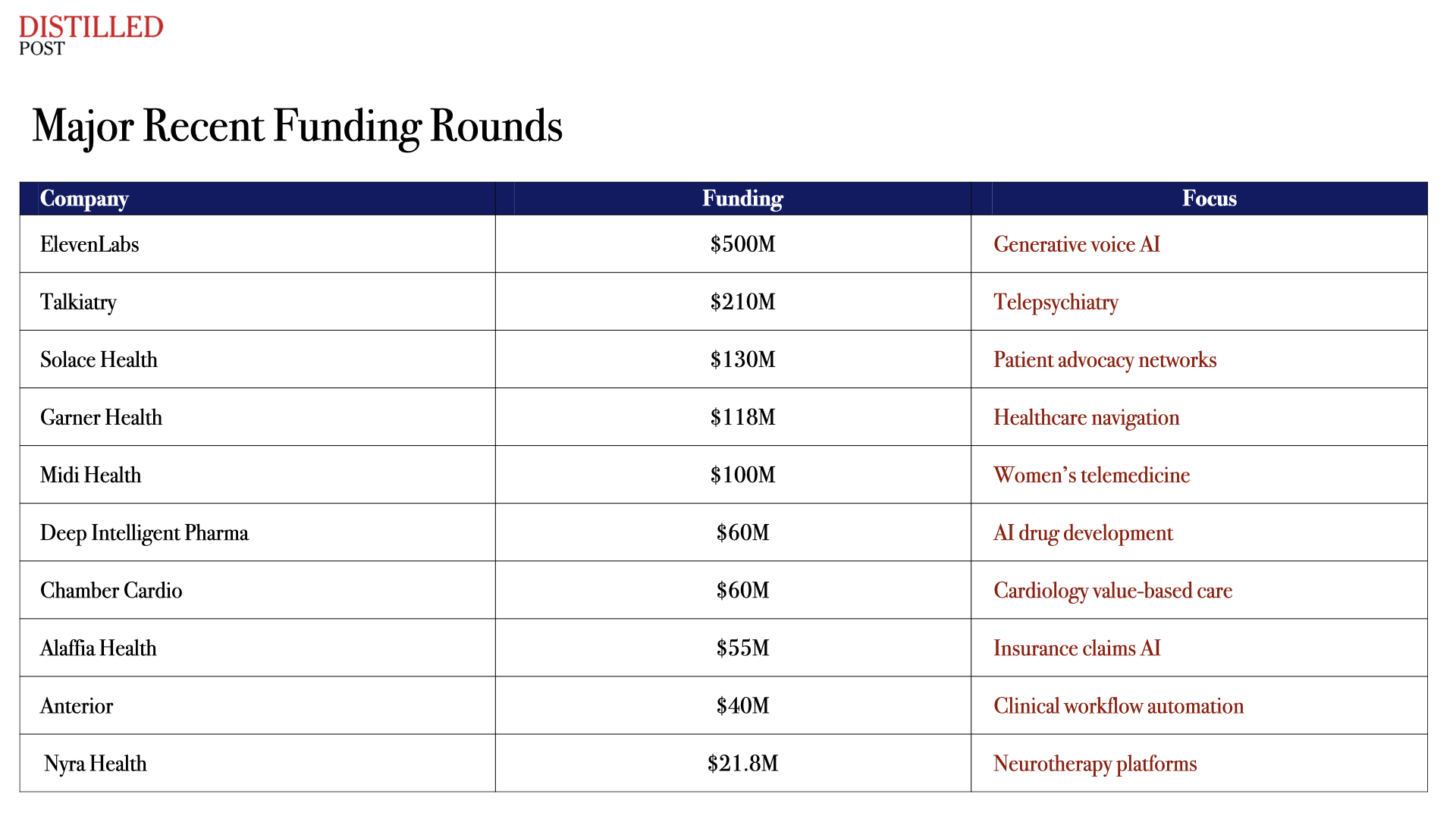
Funding & Finance | Venture capital pours billions into health AI
If the technological momentum is impressive, the financial momentum may be even more remarkable.
Investors have poured billions of dollars into health technology and AI-enabled healthcare platforms over the past year.



.jpg)