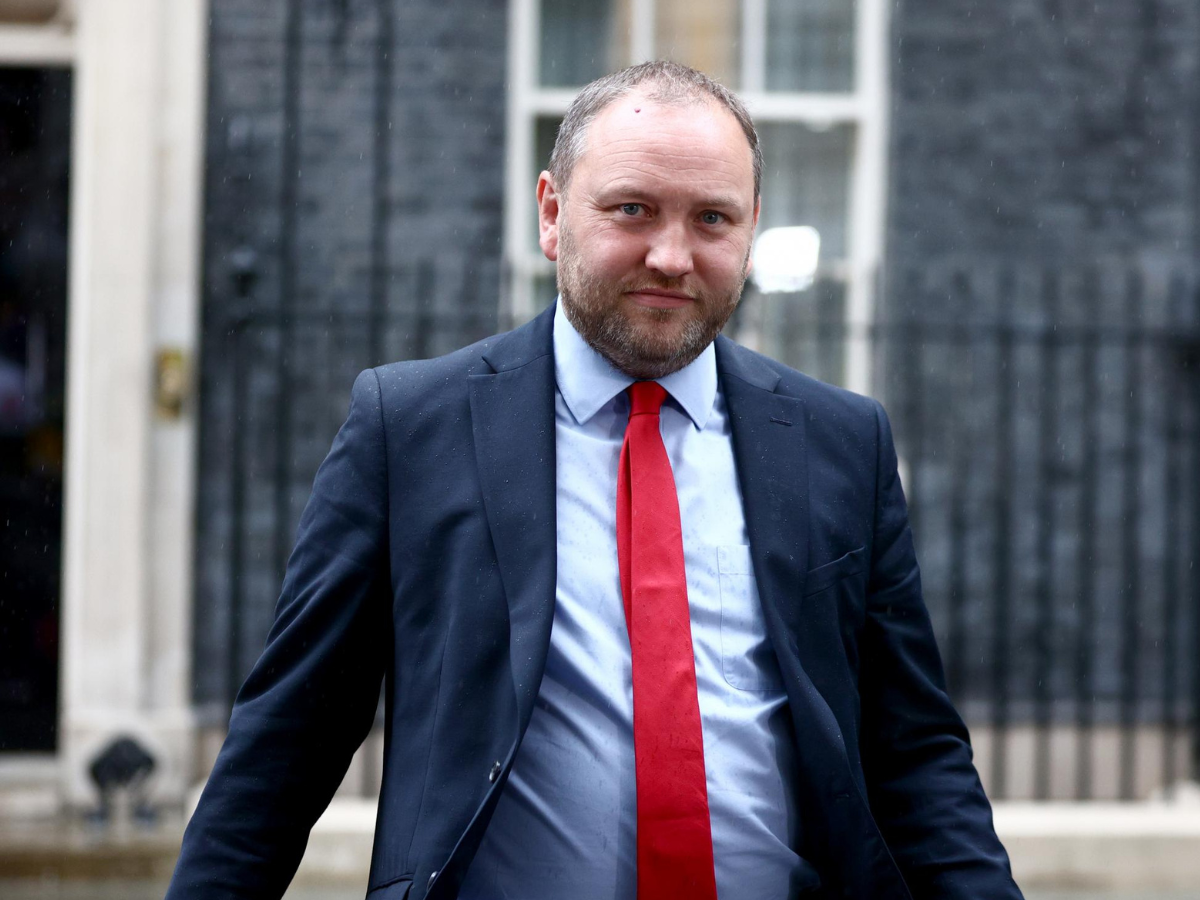
The medical records of 500,000 UK Biobank volunteers were listed for sale on the Chinese e-commerce platform Alibaba, Technology Minister Ian Murray confirmed this week. The government said the listings were removed before any purchases were completed, following coordinated action between British and Chinese authorities.
The records did not include names, home addresses or NHS numbers. However, the data contained detailed information on gender, age, socio-economic status, lifestyle habits and biological measures collected from volunteers who contributed to the Biobank over many years. Murray acknowledged that, despite the de-identification process, the government could not provide a "100% guarantee" that individuals could not be re-identified using the information. That admission will concern privacy advocates, given the granularity of the data involved and the scale of what was exposed.
The breach originated not from an external hack but from within the authorised research community. Three academic institutions had been granted access to the data under contractual agreements permitting its use for legitimate scientific research. Those institutions are alleged to have violated the terms of their contracts by making the data available in circumstances that led to its listing on Alibaba. The UK Biobank has since suspended data access for the institutions and the individuals directly involved. The organisation described their conduct as a "clear breach of contract."
The UK government worked with its Chinese counterpart to secure the removal of the listings from Alibaba's platform. Officials said they had found no evidence that any successful purchases were made prior to the takedown, though the absence of confirmed transactions does not eliminate the possibility that the data was accessed or copied before the listings disappeared.
The UK Biobank holds one of the largest and most detailed collections of health data in the world. It was established to support research into serious and widespread conditions including Parkinson's disease and cancer, and its records have contributed to thousands of published studies. Researchers apply for access and are required to adhere to strict data governance protocols designed to protect the anonymity and interests of the half-million volunteers who donated biological samples and personal information.
Professor Sir Rory Collins, the Biobank's principal investigator, said the organisation was reviewing and tightening its security protocols in response to the incident. He emphasised the charity's obligations to its participants and said the breach had been treated with the utmost seriousness. The suspension of access for those responsible was framed as both a protective measure and a signal that violations of the access framework would not be tolerated.
The incident raises questions that extend beyond the immediate breach. The UK Biobank is held up as a model for how large-scale health data can be made available to the global research community while maintaining participant protections. The contractual framework underpinning that model depends on the good faith of the institutions granted access. When that good faith fails, the consequences are not merely legal but potentially harmful to the individuals whose data was collected on the basis of trust.
Investigations into the conduct of the three institutions and the individuals involved remain ongoing. The government has not named the institutions publicly. Whether further regulatory or legal action will follow remains to be confirmed. The Biobank said it would continue to cooperate fully with the inquiry and reiterated its commitment to maintaining the integrity of the database as a resource for British and international medical research.


.jpg)