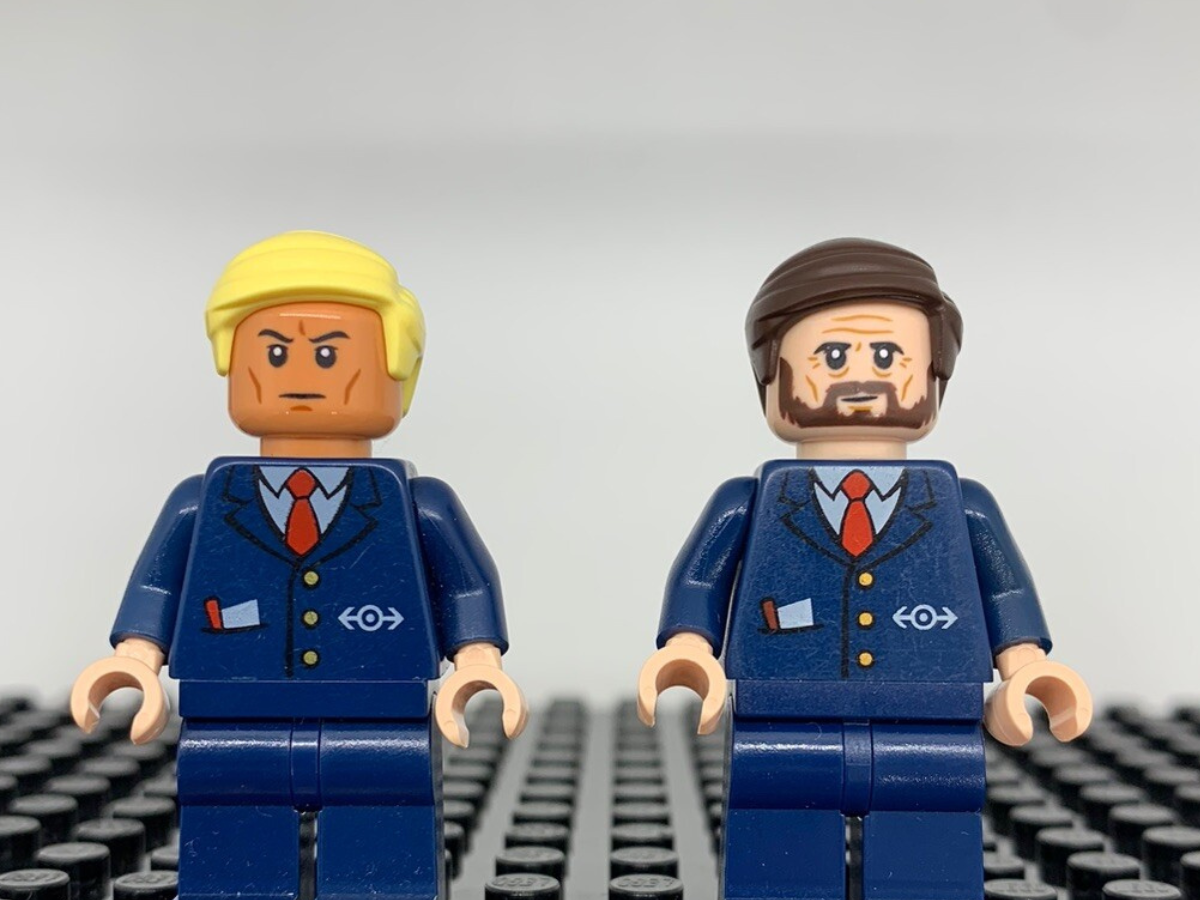
In early 2026, a Lego animation depicting Donald Trump as a bumbling figure surrounded by scheming advisers spread across X, TikTok and Instagram, accumulating millions of views within days. It was slick, funny and easily shareable. It was also produced in Tehran.
Iran's information operations have undergone a quiet but significant transformation. Where state media once relied on stilted broadcasts and heavy-handed denunciations of American imperialism, a new generation of AI-generated content is doing something far more effective: making people laugh.
The Lego-style videos have become the unlikely format of choice. Rendered with generative AI tools, they portray the Trump administration as fractious, isolated and corrupt, using visual languages borrowed from Western children's entertainment and internet culture. Other clips deploy Minion-style caricatures of American officials or splice together synthetic battle scenes with real news footage. The production quality, by the standards of state-sponsored content, is remarkably high.
Despite bans on platforms such as YouTube inside Iran, the videos are travelling outward with few obstacles. TikTok, Instagram and X have become the primary distribution channels, and the content is finding audiences not just in the Middle East but across Europe, Latin America and, to a measurable degree, the United States itself.
Satire where slogans failed
The cultural register of this content marks a deliberate departure. Earlier Iranian propaganda addressed itself primarily to domestic and regional audiences already sympathetic to its framing. The new material is calibrated for a younger, globally connected demographic with no particular loyalty to either side but a high tolerance for political mockery.
Analysts studying the content note the prominent use of rap audio, meme formats and references to Western pop culture. Dr Raphael Gluck, a researcher tracking state-linked influence operations, has noted that the shift towards humour and irony significantly lowers the psychological resistance of audiences who would otherwise dismiss overt state messaging. The content does not ask viewers to admire Iran. It asks them to find America ridiculous.
The specific targeting of Trump is consistent and purposeful. The videos return repeatedly to themes of presidential vanity, administrative dysfunction and American decline, framing the United States as a civilisation rotting from within. References to the Jeffrey Epstein files and domestic corruption scandals are woven into the narratives, amplifying existing American anxieties rather than introducing foreign ones.
The infrastructure behind the content
The reach of these videos is not purely organic. Research from Cyabra and the Institute for National Security Studies (INSS) indicates that tens of thousands of inauthentic accounts are being used to coordinate the release and amplification of AI-generated content across platforms. The accounts operate in waves, pushing material into recommendation algorithms at the moment of publication to accelerate early engagement.
The narrative architecture is consistent across campaigns. Iran is presented as a technologically capable and militarily successful power. The United States is portrayed as decadent and strategically overextended. Fabricated footage purporting to show Iranian strikes on American naval assets or embassies circulates alongside genuine news clips, creating a blurred information environment in which distinguishing the real from the synthetic requires expertise most users do not have.
A gap in the American response
The United States' capacity to counter this kind of operation has diminished at precisely the wrong moment. The State Department's Global Engagement Centre, which was responsible for identifying and responding to foreign disinformation campaigns, was shut down at the end of last year under the direction of Secretary of State Marco Rubio. No replacement structure has been announced.
Social media platforms are struggling to keep pace. AI-generated media that blends synthetic elements with authentic footage presents a verification challenge that existing moderation systems were not designed to meet. By the time a piece of fabricated content is identified and removed, it has typically already completed most of its distribution cycle.
The cognitive gap
American military capability is not in question. What is increasingly apparent is that military superiority does not translate into dominance of the information environment. Iran, working with tools that are widely available and relatively cheap, is producing content that shapes how millions of people perceive American power and legitimacy.
A civilisation with a recorded history stretching back thousands of years has found a way to compete with the world's leading technology superpower on its own terrain: the production and global export of culture. The tools are new. The ambition is not.


.jpg)