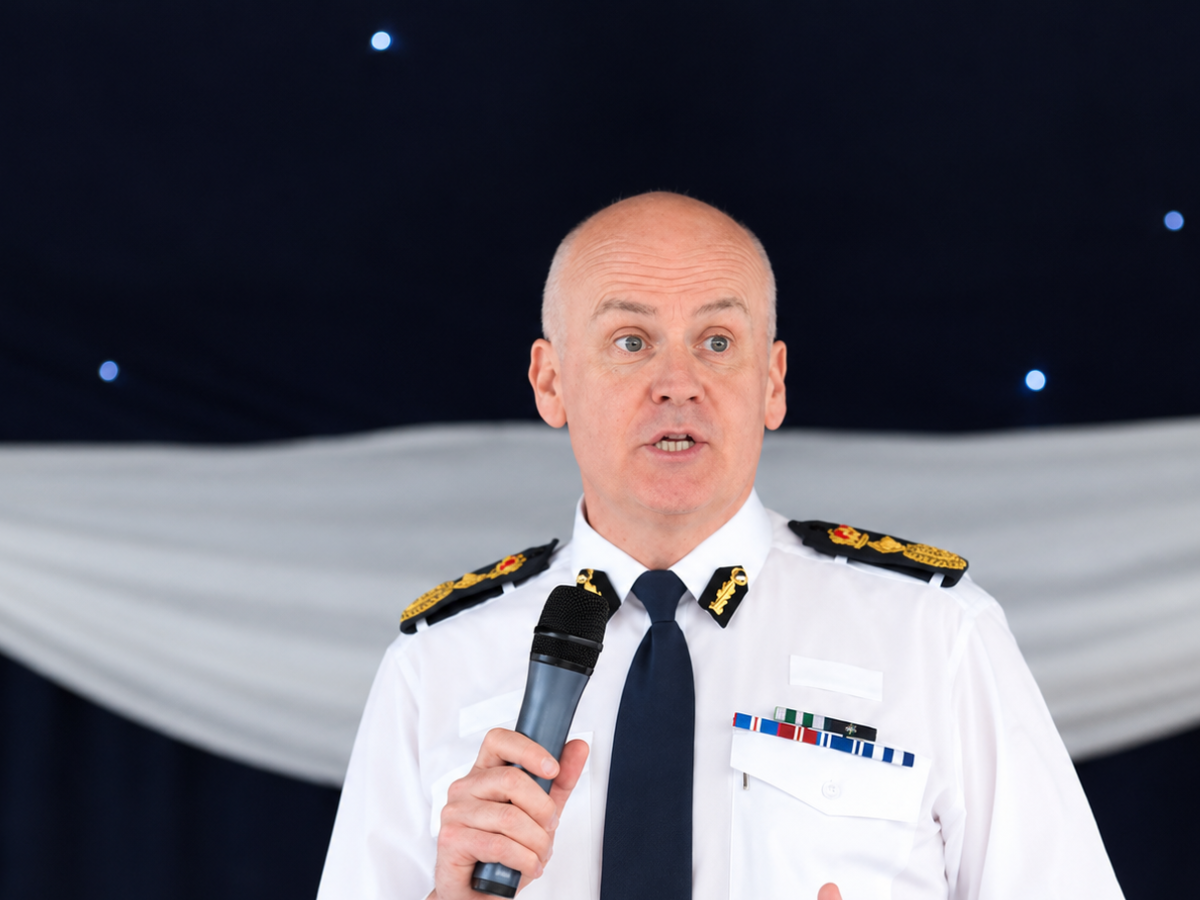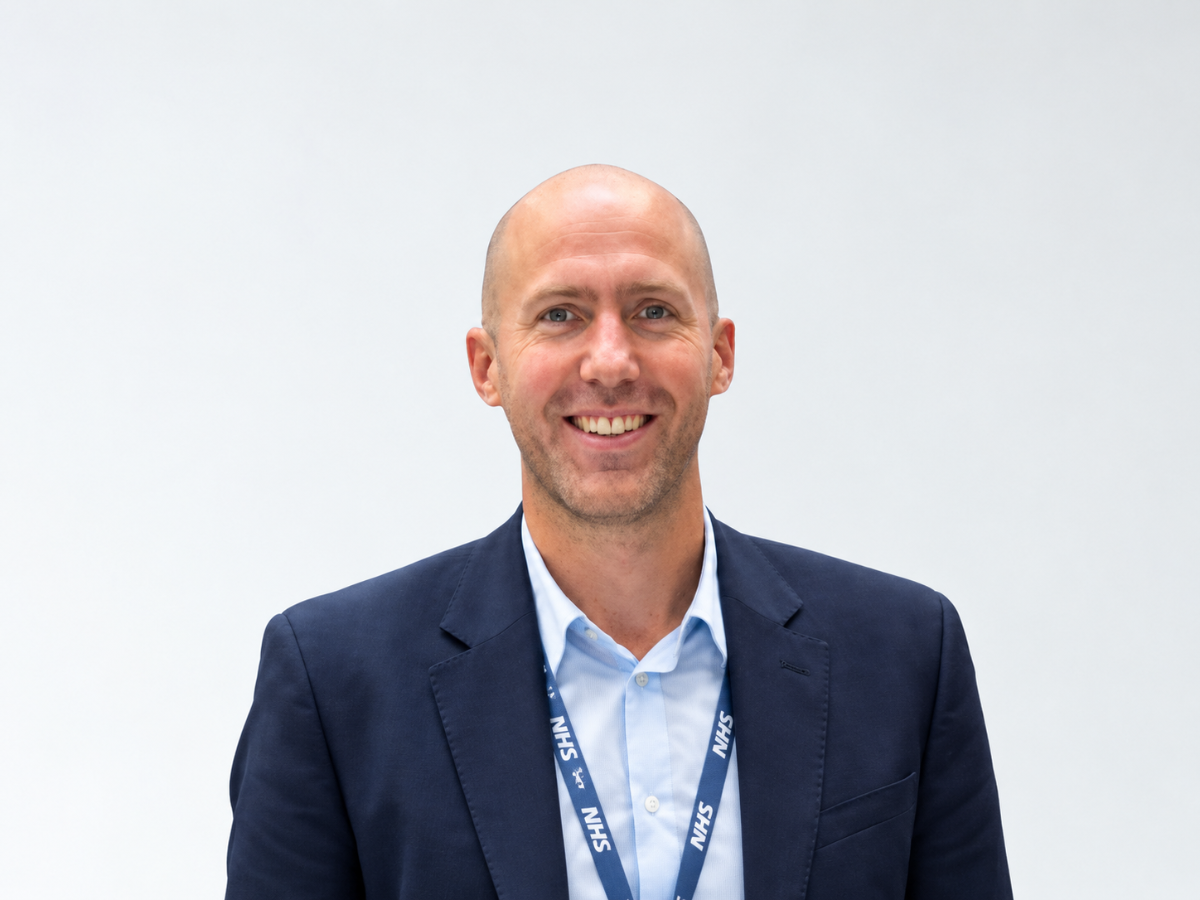
Tom Strickland, as Chief Operating Officer at Airedale NHS Foundation Trust
Signs taped to the pay machines in the P1 and P3 car parks at Airedale Hospital this month told visitors they could leave without paying. In an unusual public acknowledgment, the hospital admitted that clinics occasionally run late, yet the Trust elected to absorb the resulting costs rather than transfer them to patients. The gesture accompanied the go-live of Oracle Health Millennium over the weekend of 17 and 18 October, and it landed on the desk of a chief operating officer who had been in post for exactly two months.
Tom Strickland was appointed on 17 August. His remit covers operational delivery across all clinical services, health and safety, the Trust's programme to deal with Reinforced Autoclaved Aerated Concrete in its buildings, and AGH Solutions. His seat on the Finance, Performance and Digital Committee places the integration of the new record directly under his remit, a natural fit for a rare portfolio that bridges physical operations, digital infrastructure, and commercial strategy.
This matters well beyond one hospital in West Yorkshire. National policy leans heavily on a connected patient record as the route to productivity, shorter waits and eventually patient-facing digital services. Deploying a large electronic patient record frequently causes a temporary drop in clinical throughput; however, unrelenting elective backlogs and urgent care pressures afford trusts very little margin for operational downtime. The chief operating officer is the person who must reconcile those two clocks. Airedale has been refreshingly transparent about initial slowdowns and the support available, striking a sensible balance in managing expectations.
Strickland brings a multi-faceted perspective born of practical experience. During his tenure as Deputy Chief Operating Officer at Calderdale and Huddersfield NHS Foundation Trust, he led operational delivery and improvement across urgent, emergency, and planned care—precisely where a slow clinic or delayed discharge causes immediate friction. Previous transformation roles in London and Birmingham tested him under pressure, working within complex, high-demand trusts where scale has a way of mercilessly uncovering every operational crack. The most unusual entry on his CV, however, is his start on the Civil Service Fast Stream with HM Treasury and the Department of Health—and arguably his most valuable. It gives him an instinctive grasp of how funding settlements morph into policy targets, and how those targets inevitably land as raw pressure on a ward sister on a Tuesday afternoon.
Credentials of this kind are a reasonable basis for confidence and a poor guide to outcomes. The Trust's published material does not yet attribute any result to him, and a two-month tenure could not support one. The EPR is designed, procured, and trained out before he set foot in the Trust. What he inherits is the grittier challenge, the weeks following go-live, when classroom training has faded and informal workarounds risk becoming permanent habits.
The true metrics of success will be decidedly unglamorous. Clinic overruns, discharge bottlenecks, manual data cleanups, staff overtime, and incident logs will tell the real story long after the launch-day fanfare fades. The RAAC programme adds a second claim on his attention, since a building risk does not ease because a software migration is underway. Both initiatives draw on the same limited capital and executive bandwidth.
For NHS leaders elsewhere, Airedale is a live case of how long productivity takes to recover after a major system change. For the supplier, this is a showcase implementation that will make or break the next procurement pitch. For patients, the immediate test is simple: whether an appointment starts roughly on time and whether the clinician has the right information in front of them.
The free parking will end, and the signs will come down. Once they do, Strickland's standing will rest on whether waits return to the levels the Trust was reporting before October and whether the record delivers the joined-up care it promised. That is a fair test, and his background suggests he is well prepared to meet it.