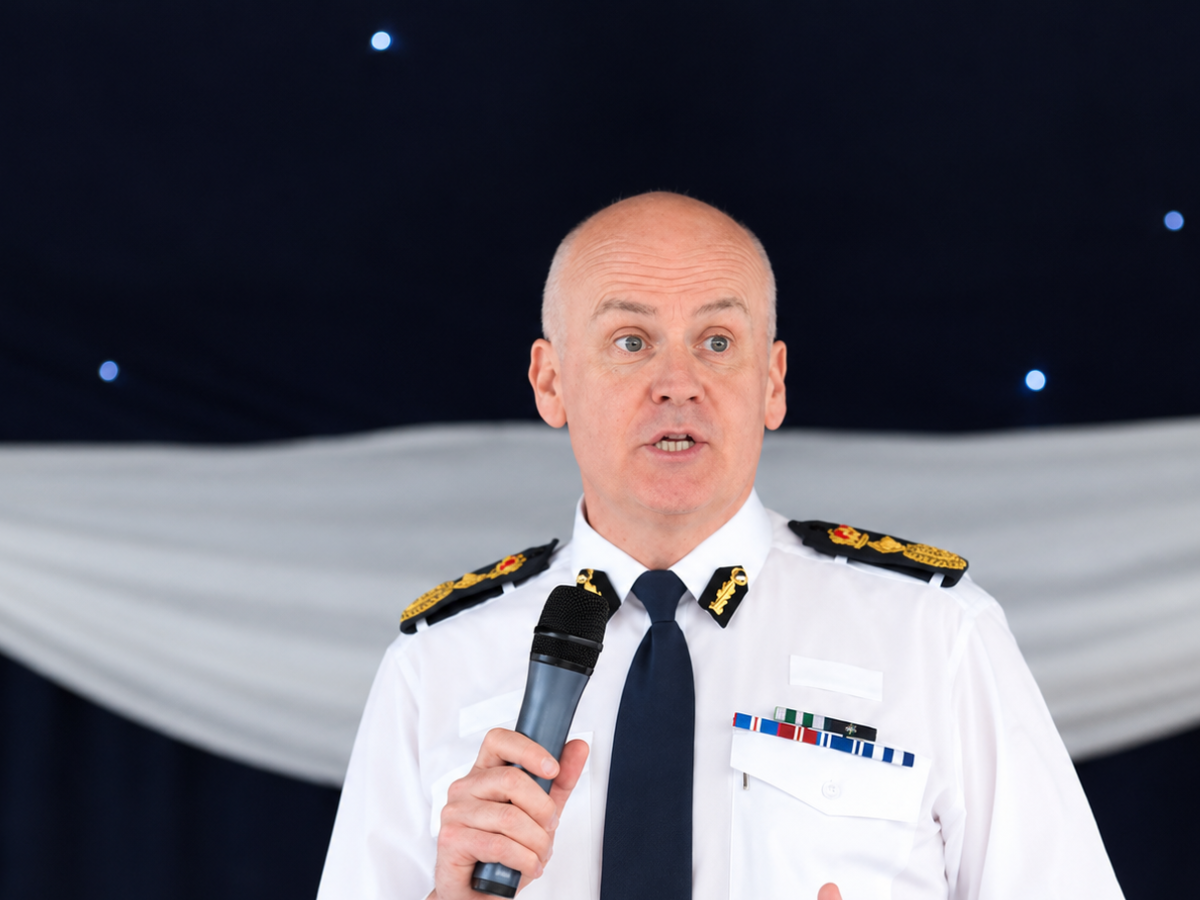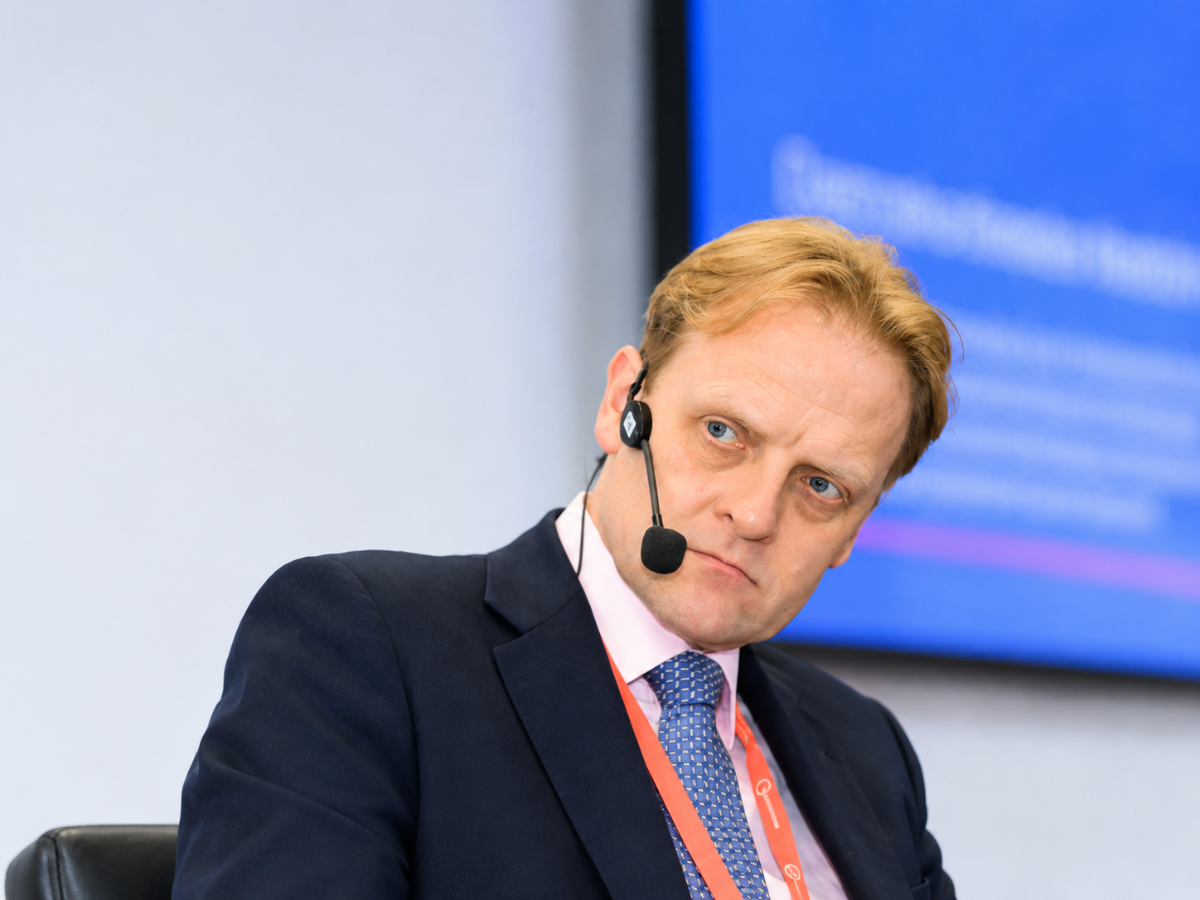
Matthew Winn, the chief executive of the East of England Community Health and Care Trust
A chief executive who has run community services in Cambridgeshire for nearly twenty years now divides his working week between his own organisation and a region that is not his own. Matthew Winn, who leads the East of England Community Health and Care Trust and previously led its predecessor, Cambridgeshire Community Services, has become interim regional director for NHS England South East on a part-time basis. His predecessor, Anne Eden, has left to become interim chair of University Hospitals of Liverpool Group. The arrangement is practical and, on its face, sensible. It also offers a view of a larger condition in the health service.
Winn's appointment means four of the seven NHS England regions are led by interim directors. The regional tier translates national priorities into local delivery and holds trusts and integrated care boards to account, and a majority of it is now held together by temporary arrangements. That would be unremarkable in a stable system. The NHS is not in one. NHS England is being folded into the Department of Health and Social Care, integrated care boards have been told to reduce their running costs sharply, and regional teams are being reshaped while still expected to deliver recovery in waiting times and finances. Anyone weighing a permanent regional post may reasonably wait to learn what the post will become.
Winn is an apt choice for the moment. His group carries principal responsibility for relationships with three integrated care boards and their local authorities, which gives him unusual experience of working across several systems at once. Community services also sit at the centre of the government's stated direction, with care moving out of hospitals and neighbourhood health teams expected to absorb demand. A regional director who has run such services for two decades understands the promise of that strategy and its fragility, including how easily community budgets and staff are drawn into the pressures of the acute sector.
The model carries costs that deserve plain statement. A part-time regional role held alongside a full chief executive post asks one person to meet two sets of demands when both are heavy. Regional directors oversee performance, finance and system oversight, and they handle escalations that cannot wait for a convenient diary slot. Winn's own trust sits in a different region, which limits direct conflict of interest. Even so, chief executives know one another well, and a serving provider leader scrutinising neighbouring organisations will be watched for signs of favour or reluctance. These matters are manageable when governed openly. Left implicit, they become questions about the credibility of oversight.
Interim status also changes what a leader can do. Temporary appointments allow continuity without commitment, and they suit a reform programme whose final shape is unsettled. Over time they thin out authority. Trust and ICB leaders facing deficits, waiting list targets and winter planning need a regional counterpart who can make decisions and expect them to hold into the next financial year. A director in post for a few months, on a part-time basis, may sensibly defer anything that would bind a successor. Decisions on capital, service reconfiguration and support for struggling organisations are the ones most likely to wait.
For NHS leaders in the South East, the practical step is to seek early clarity on decision rights and escalation routes, and to agree which issues will be settled now and which will wait for a permanent appointment. For policymakers, and for health-tech and life sciences suppliers whose pilots and procurement often depend on a named regional sponsor, the lesson is that the regional tier cannot be rearranged in the background while attention stays on hospitals and headline targets. It carries the daily work of intervention, support and delivery.
Winn's experience is a genuine asset, and drawing on it is a reasonable response to a vacancy. The measure of the arrangement will be its duration. If a permanent director follows within months, this will be remembered as a sound stopgap. If interim leadership becomes the settled condition of most regions, the NHS will have drifted into a model of oversight that nobody designed and for which nobody is clearly accountable.