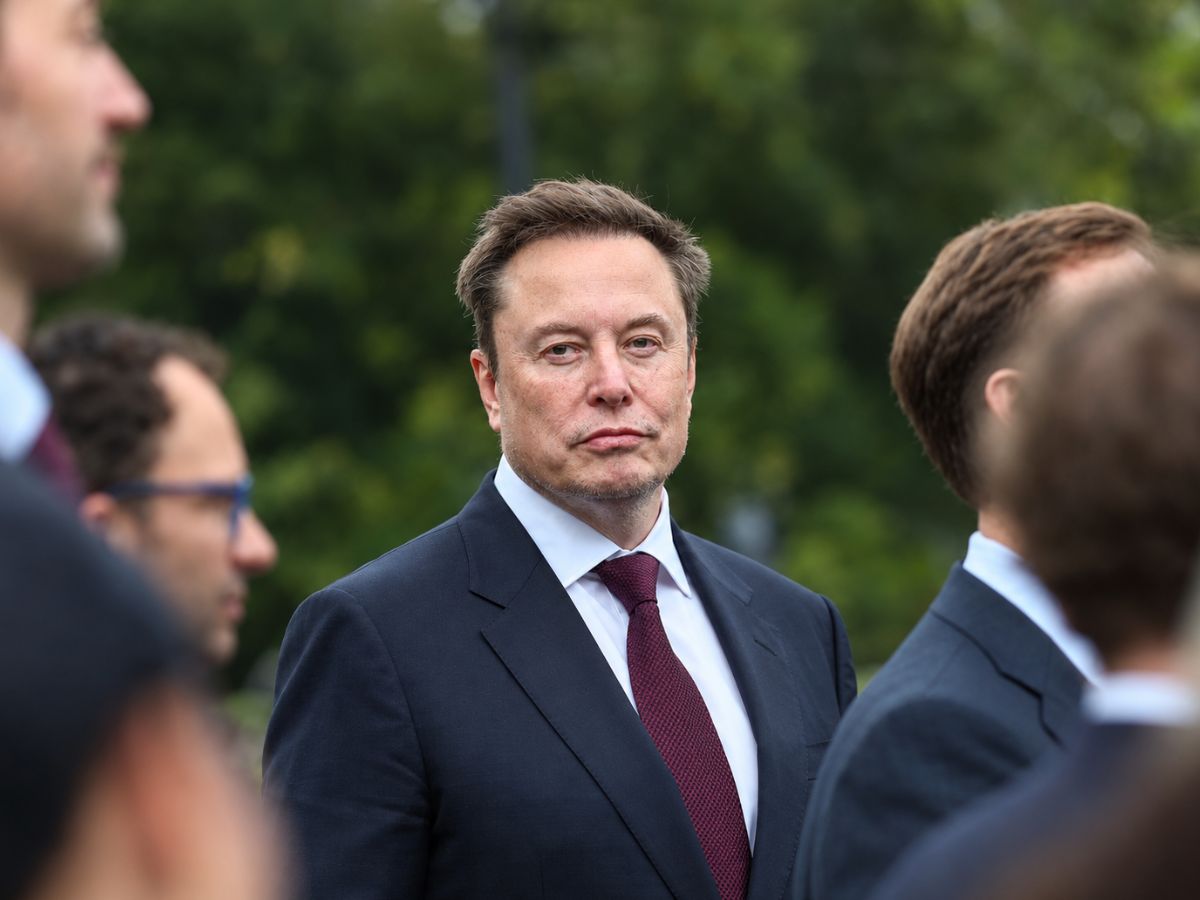
Elon Musk, Industrialist and former Senior Advisor to the President of the United States
Weeks after a $110bn merger closes, a finance team opens a spreadsheet and finds two figures that refuse to reconcile. One is the debt inherited by the combined Paramount and Warner Bros. Discovery. The other is the $6bn in cost savings promised over three years to service it. Into that arithmetic has stepped Elon Musk, reported to have committed about $1bn to Skydance, the vehicle led by David Ellison and Ynon Kreiz. Laurene Powell Jobs is among the other investors in the round.
Start with what the money does. A billion dollars is a small share of an enterprise of this size, but equity that arrives when leverage is high carries weight beyond its amount. It eases pressure on lenders, buys management time and signals to the market that a prominent investor expects the integration to work. Those benefits matter to a group that must cut deeply while keeping bondholders and rating agencies patient. The price is a shareholder whose other businesses, X and SpaceX among them, touch distribution, advertising and data in ways few investors' portfolios do.
Influence in this case will be settled by governance terms. Votes matter less. A minority stake rarely confers editorial control, and directors owe their duties to the company. Board representation, information rights and any side agreements will determine how far Mr Musk's reach extends, and none of that has been made public. Until it is, the market will price speculation about content or technology tie-ups between the group's news and streaming assets and platforms he controls. Speculation is expensive for a borrower. Investors and lenders should expect Skydance to disclose the terms in full and early.
Advertisers are the most exposed constituency. News divisions sell audiences to brands that are sensitive about association, and the owner of a news network is part of the association. Mr Musk's own experience is instructive here, since X lost a significant number of advertisers after changes to its moderation approach in 2023. The combined group cannot afford a similar reaction at CNN or CBS News, where linear advertising is already declining and streaming has yet to fill the gap. Sales teams will be fielding questions from agency buyers well before any editorial decision is taken.
The savings programme sharpens the risk. Leadership has indicated that thousands of jobs may go. News and factual production are costly and slow to repay, which makes them natural targets in any restructuring. An investor with interests in artificial intelligence and shared technology infrastructure may be a willing advocate for automation and consolidation of back-office functions. That could be sensible economics. It could also hollow out the newsrooms that give CNN and CBS News their commercial value. Management will need to show which it is, and soon.
Talent poses a related problem. Producers, presenters and writers have alternatives among the streamers, and the best of them rarely need the work. If an ownership structure looks politically charged or editorially unstable, departures follow, and they tend to be the ones the business can least afford. Content libraries retain value, but the pipeline that refreshes them depends on people choosing to stay.
Regulators will watch as well. A merger of this scale draws competition scrutiny in several jurisdictions, and broadcast licensing and foreign ownership rules add further layers of review. The involvement of a high-profile investor with strong government ties and a history of public controversy adds political sensitivity to an already complex process. Competitors will be watching closely, with Disney, Netflix and Comcast all keen to see whether the deal delivers greater scale or simply concentrates risk.
The practical conclusions are plain. Mr Ellison and Mr Kreiz should publish the terms of Mr Musk's involvement and set out how newsroom independence will be protected in writing. Lenders should check covenants against the scenarios in which advertising revenue softens. Advertisers should seek assurances on brand safety before the next buying round. Boards at competing groups should note that a billion-dollar cheque from a single prominent figure now sits inside the sector's largest consolidation.
The $1bn buys time. Whether it buys anything more depends on terms that remain undisclosed. A group carrying this much debt cannot let a question about its shareholder turn into a question from its customers.