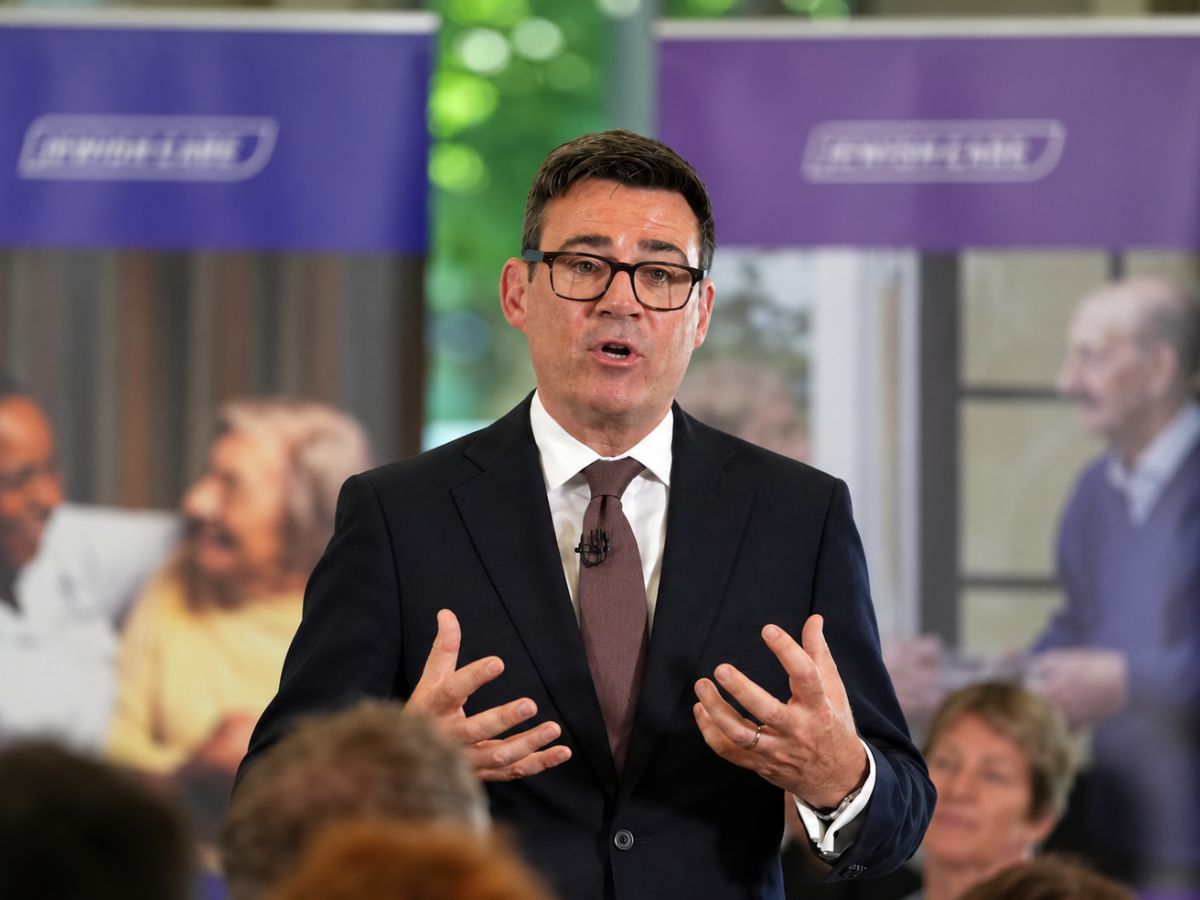
A gas meter in a terraced house barely turns in July, yet the account still grows by about 30p a day. Over a year that comes to roughly £108 before any heat has been bought. At Prime Minister's Questions, Andy Burnham told MPs that John Healey and Miatta Fahnbulleh would examine whether to scrap that charge and report back at the earliest opportunity. Households will hear a bill cut. Suppliers, network owners and Treasury officials will hear a question about who pays for the pipes.
The charge exists because gas networks carry costs that do not fall when demand does. Grid connections, maintenance, meter reading and policy levies all have to be recovered somewhere. Abolishing the standing charge removes none of them. The costs move into the per-unit rate, so a household that burns little gas pays less and a household that burns a lot pays more. Ofgem has warned that restructuring involves complex trade-offs, and that vulnerable homes with high usage could end up worse off. Research groups such as Nesta have argued the shift is workable, which makes the design of any protection the decisive detail.
The commercial consequences are easy to see. A higher unit rate speeds up the economics of leaving the gas network, and every customer who leaves leaves the remaining volume to carry a larger share of fixed costs. Network investors will want to know how the regulator intends to keep allowed returns stable under that spiral. Heat pump manufacturers and installers will read the policy as a tailwind. Suppliers will price in the billing changes and the risk of arrears among customers whose bills rise.
For the NHS the direct link is thin. As described, the proposal applies to domestic gas, and hospital trusts buy energy under non-domestic arrangements, so their own bills would not change. The relevance arrives through patients. Cold and damp homes feed respiratory and cardiovascular admissions through the winter, and the households most exposed to a higher unit rate are those that use a lot of gas because they live in poorly insulated buildings or spend long hours at home. Elderly people and those with long-term conditions fit that description closely. They are also among the heaviest users of emergency and community services. A policy that lowers bills for light users while raising them for this group could add to winter demand that trusts must absorb with the same beds and the same staff.
The fiscal setting sharpens the point. Number 10 has said the Prime Minister is in lockstep with the Chancellor over the fiscal rules, and borrowing costs have been sensitive since the change of leadership. Any compensation for high-use vulnerable customers needs a funding source. The health budget is the largest day-to-day commitment in government, and every pound found for energy protection will be weighed against capital for diagnostics, estate repairs and community capacity. Trust finance directors know how little room that leaves.
There is a quieter signal for estates teams too. Trusts are being asked to move away from gas boilers, and a pricing regime that makes gas carry more of its own network cost per unit alters the investment case for heat pumps and heat networks, even where tariffs differ. Procurement leads and health-tech suppliers working on estate decarbonisation should expect the Treasury to cite household policy when it sets expectations for the public sector.
The review's first test is whether it names its losers before it announces its winners. NHS leaders and the bodies that represent them have a legitimate interest in asking for modelling by household type, age and health vulnerability, and for a clear statement of how any protection would be paid for. A standing charge looks like a small number. Whoever redistributes it also redistributes risk, and some of that risk will arrive in winter wards, where the cost is measured in admissions rather than pence.