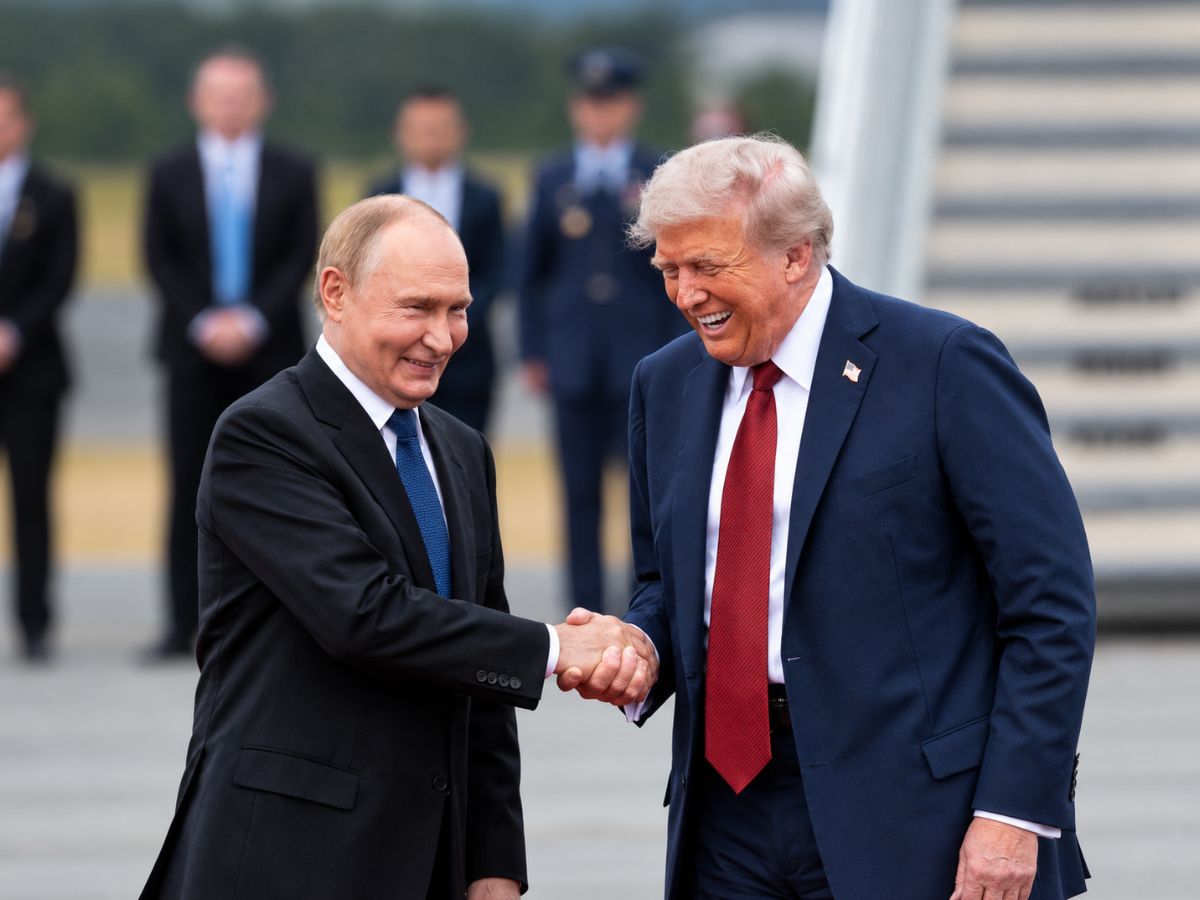
This week, Ukraine said its drone crews and air defences had lost connectivity after a commercial satellite service was restricted, a setback its president described as a personal betrayal. Days earlier, an American president had declared an energy ceasefire that lasted barely long enough to be photographed. Ukraine resumed strikes on Russian refineries, and Donald Trump called them a disgrace because they lift the world price of diesel. Diplomacy is a quarrel between allies. The business lesson concerns how much of the global economy now rests on decisions made by a handful of people with limited interest in who bears the cost.
The relevance to the NHS is indirect and structural. No trust will alter a rota because of a refinery in Russia. Yet it costs travel. Diesel moves ambulances and the vans that carry pathology samples between sites. Oil prices also feed into plastics used in consumables and into the energy bills of a large, ageing estate that already carries a heavy maintenance backlog.
The fiscal channel matters more. The easing of sanctions on Russia was widely read as an attempt to calm fuel prices before the US midterm elections. A domestic political calendar in another country is therefore helping to set an input cost for British hospitals. Higher fuel prices keep inflation firm and borrowing costs elevated, and the Treasury has little room to absorb either. NHS settlements are fixed in cash terms, so an unbudgeted rise lands on trusts, which usually respond by deferring repairs and slowing the productivity programmes on which recovery of waiting times depends.
Suppliers feel it sooner. Logistics firms, equipment makers and health-tech companies that signed fixed-price contracts in calmer conditions now carry exposure that will surface as renegotiation requests or thinner service. Listed suppliers will be asked on results calls how much cost they can pass on, and NHS frameworks rarely allow much. Commissioners and procurement leads who have not checked the indexation terms in their larger contracts should do so now, and suppliers should expect harder conversations than they had a year ago.
The second channel is dependence. Ukraine's experience was extreme: a country at war relying on a privately owned network whose availability turned out to track political relations. The NHS faces nothing comparable. Its digital estate does carry concentration of its own, however. A small number of cloud, records and data platform suppliers, several of them American, now hold functions that clinicians cannot easily perform without. The debate over the Federated Data Platform made this a public argument about trust and sovereignty. The Ukrainian episode makes it concrete. A supplier withdrawing an NHS service is a remote prospect. Most boards, asked how long they could operate without a given system, would struggle to give a tested answer.
Practical consequences follow for each party. Trust boards should ask for continuity and exit terms in major digital contracts and rehearse the failure of a core platform as they rehearse a major incident. Policymakers should treat fuel exposure and digital concentration as fiscal and operational risks in spending decisions, rather than as procurement detail. Health-tech and life sciences companies can read the moment commercially: UK-hosted, interoperable products with clear service guarantees will find a more receptive buyer than they did two years ago. Patients, meanwhile, meet these risks only at the end of the chain, such as a delayed transfer, a cancelled clinic or a repair that waits another year.
The wider political setting sharpens the point. A government that has staked its credibility on faster access and a more productive service has limited tolerance for shocks it did not plan for. The relevance of events in Kyiv and Washington is therefore real but contingent. It depends on whether NHS leaders and the Treasury choose to price resilience before it is needed. At present it has no line in the accounts, so it is purchased only after something fails. The next disruption will not announce itself as a health matter. It will arrive as an invoice or an outage.