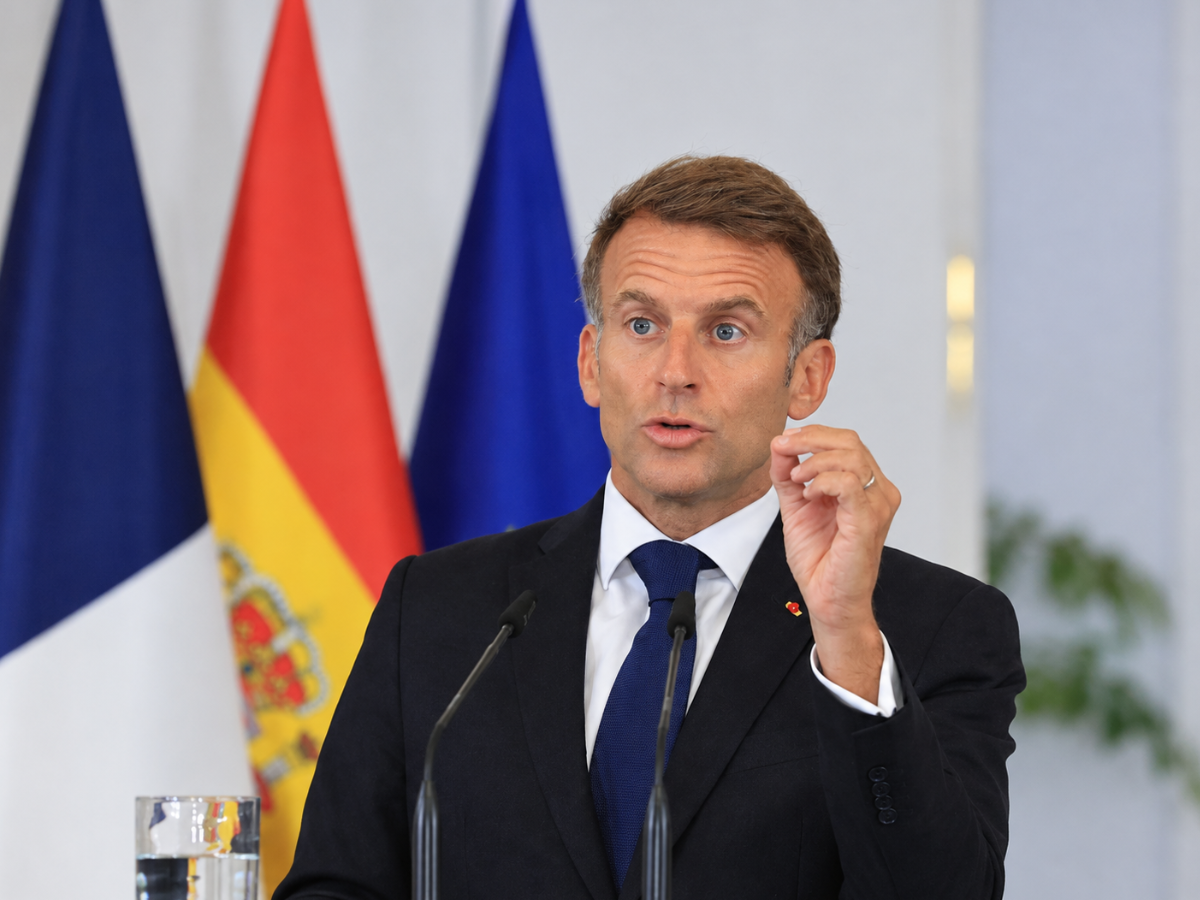
Late on a Thursday night in Brussels, EU leaders sat down for their first face-to-face talks on the bloc's 2028 to 2034 budget and promptly rejected the compromise text prepared by the Irish presidency. According to two diplomats, Emmanuel Macron used the evening to deliver a plain message: settle the money before the year ends, because the political calendar will only get harder. A clinical trials unit in a British teaching hospital, designing a multinational study to begin recruiting in 2028, would not ordinarily follow Brussels budget talks. This round deserves its attention.
The mechanics explain the urgency. The budget requires unanimity and sets contributors against recipients, and the Commission has proposed a package of nearly two trillion euros against about 1.2 trillion for the current period. France holds a presidential election in April and May, and Marine Le Pen has pledged to cut her country's contribution while urging leaders to wait until after the vote. Poland, Slovakia, Italy, Greece and Finland also go to the polls. One northern European diplomat warned that a deal would be harder in 2027 and the bloc would be unready for 2028. An eastern European counterpart allowed some margin into the early months of next year. The legal deadline is the end of 2027, which gives the argument over timing more room than the rhetoric suggests.
The link to British health policy runs through research. The proposed budget contains the successor to Horizon Europe, known as FP10, at around €175bn against €95.5bn for the current programme. The UK's association covers Horizon Europe only to 2027. Formal talks on association with FP10 can begin only once its legal basis is agreed, and that sits downstream of the budget. Britain therefore cannot negotiate its place in a programme the EU has yet to finish defining. FP10 does not fund NHS services, and the connection should not be overstated. It funds the collaborative research on which much of the service's clinical evidence base rests.
That uncertainty already has a cost. Universities have reported that doubt over UK participation after 2028 makes partners elsewhere in Europe cautious about committing to complex, long-running partnerships. Consortia take time to build, and a coordinator deciding whether to include a British hospital group in a bid for 2028 will weigh the risk that the group cannot take part. Life sciences firms that depend on European trial networks make the same calculation, with money attached.
Seen from here, an early deal would be welcome news. A settlement in December would bring the opening of association talks closer and shorten the period in which British researchers are asked to plan around a gap. The government has said it has set aside funds to associate, on the condition that the programme proves open, relevant and good value. That condition gives the Treasury a reasonable test and gives researchers a reason to start assembling their case now.
The interval is usable. Research directors in NHS trusts and their university partners can map which collaborations they would rejoin or deepen, and what evidence of past performance they can show. Ministers in the departments for science and for health will need a joint position on what the health system wants from association, since the case is stronger if it comes with specifics on trials, data sharing and the translation of discoveries into care. Industry bodies can add the commercial dimension. A sector that arrives at the table with a costed account of what it needs will be heard more clearly than one that offers general goodwill.
Risk remains. A deal in December would remove one source of delay, while a French election result in May could add another. The Brussels calendar belongs to others. Readiness on the day association talks open belongs to Britain, and it can be secured well in advance.