In the second week of November, an integrated care board finance director opens a planning template and faces a familiar problem: how to budget for a future the government has yet to define. Winter pressures are mounting, emergency departments are filling and NHS organisations are already weighing decisions about staffing and services for 2027/28. Yet the figures they are being asked to provide depend on funding commitments and policy priorities that remain unsettled. The government document intended to give Britain a clearer sense of its direction has slipped into the new year, leaving those responsible for delivering public services to work with little more than informed estimates.
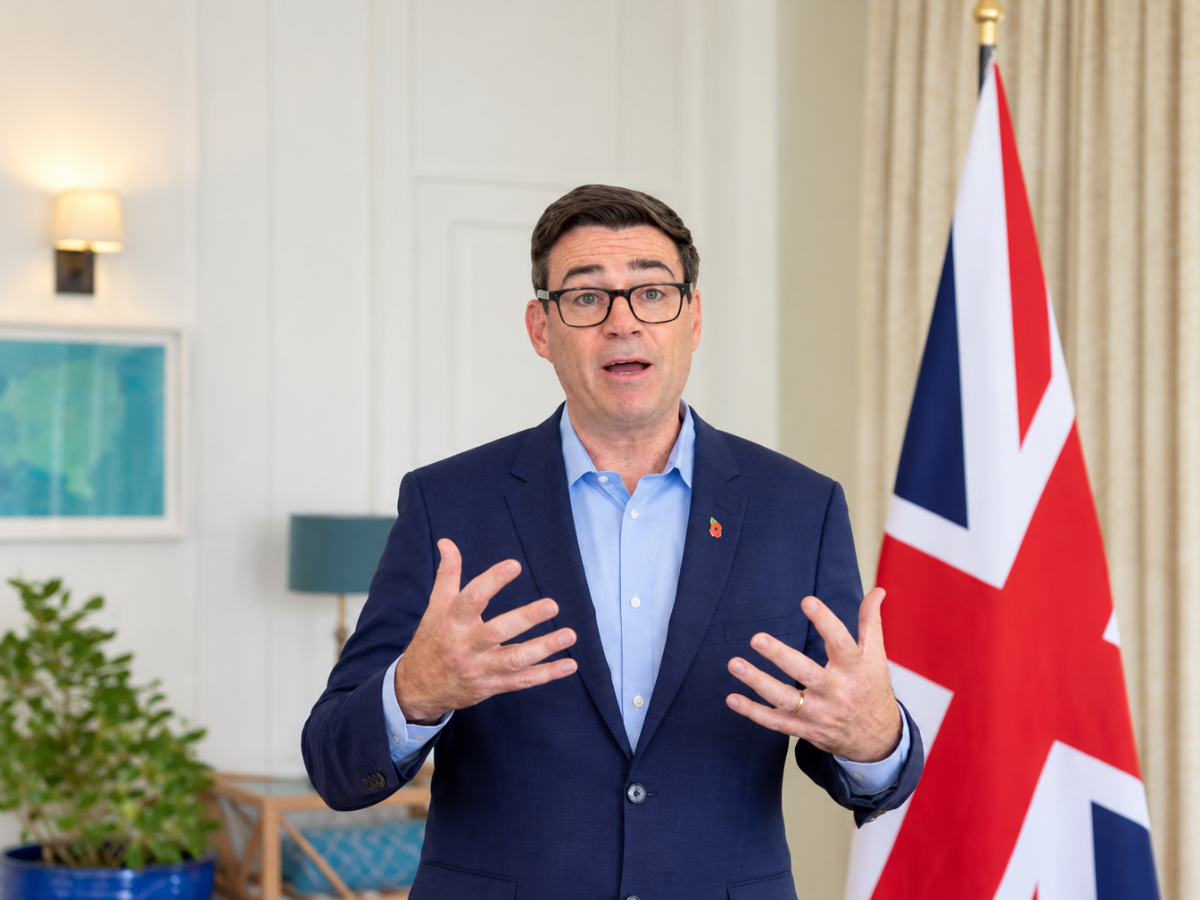
Andy Burnham has acknowledged that his ten-year plan for Britain may not be published in December as originally briefed. Speaking after the Commonwealth leaders' meeting in Antigua, the Prime Minister said December or January should remain possible, conceding that there was no firm publication date. Subsequent reports, attributed to people within government, suggest the document could be shorter than expected, accompanied by a speech and followed by a consultation lasting between six and nine months. These details remain unconfirmed. Burnham has maintained that the plan will offer a clear vision for Britain's future. However, if the reports prove accurate, the government could spend much of 2027 gathering views before settling the policies that are supposed to guide the country over the next decade. That timetable would bring final decisions uncomfortably close to a spending review expected to translate the plan's priorities into actual funding.
How much space healthcare will occupy in the document remains unclear. There is little evidence so far to suggest that health will feature prominently, and it would be premature to assume otherwise. Yet the implications for the NHS are considerable. The Chancellor's first Budget was deliberately restrained on the understanding that larger policy questions would be addressed through the ten-year plan. Those decisions, postponed in the autumn, are now waiting on a document whose own arrival has been delayed. Healthcare is caught in the middle. The NHS settlement, the future of adult social care, the division between capital investment and everyday spending, and the place of the 2025 ten-year health plan within the government's wider ambitions all depend on a policy framework that has yet to take shape.
For the NHS, however, the political timetable offers little comfort. Healthcare planning operates against deadlines that cannot simply be moved when ministers need more time. Trust boards must prepare budgets, hospitals must decide whether they can recruit additional staff, and capital projects must be scheduled around funding allocations often agreed a year or more in advance. A newly qualified nurse or resident doctor offered a post in spring 2027 will be recruited on financial assumptions that may not be confirmed until much later. The consequences of uncertainty are therefore passed down to the organisations expected to keep services running. Those already struggling with deficits and lengthy waiting lists face the greatest exposure. For them, a modest change in expected income can determine whether additional beds open, recruitment continues or vacant posts remain unfilled.
The consultation process could introduce another political complication. An exercise involving the public, think tanks and government departments gives competing interests an opportunity to argue for their priorities. Housing and the cost of living carry immediate political weight, while welfare reform has already exposed disagreements within government over whether it belongs in the plan at all. Healthcare occupies an unusual position in this debate. It remains one of the public services people most expect the government to protect, yet it also accounts for the largest share of public spending and attracts intense scrutiny over how that money is used. In a prolonged consultation, NHS funding could increasingly be viewed through the Treasury's demand for tighter spending control. Leaders across the service should also be wary of assuming that the 2025 health plan will remain untouched. Its commitments to neighbourhood healthcare, digital records and disease prevention may be reconsidered as the Prime Minister attempts to bring existing policies into a broader national strategy. His ambition to weave different policy priorities into one document could mean reshaping parts of the healthcare agenda already in motion.
The uncertainty extends beyond hospitals and government departments. Britain's health data and life sciences sectors also depend on a predictable political environment. Companies considering clinical trials or manufacturing investment in the UK need confidence that the government will maintain a clear approach to procurement, healthcare data access and the adoption of new technology. Financial incentives matter, but stability can be just as important when businesses are deciding where to commit capital over several years. A government that announces a long-term strategy only to spend much of the following year consulting on its details risks signalling that major decisions remain on hold. Investors will take note. NHS digital programmes, including the proposed single patient record and the federated data platform, are similarly dependent on consistent direction from the centre. Delays in policy decisions could complicate the funding and implementation arrangements on which their progress relies.
The practical consequences are already shaping the choices facing NHS leaders. Organisations should prepare for the possibility that meaningful financial clarity will not arrive before the middle of 2027, building contingency plans around more cautious assumptions for funding growth. They should also press ministers for early confirmation of decisions that need not wait for the wider consultation, particularly capital allocations and the next phase of social care reform. There is an opportunity for the Treasury and the Department of Health and Social Care to separate urgent healthcare commitments from the broader political exercise by publishing the NHS elements first. Such a move would give trusts and integrated care boards greater certainty while the government continues to debate its wider priorities. Patients may notice little in January, but the consequences could become far more apparent by the following winter, when hospitals are expected to manage demand with decisions that were made under financial uncertainty.
The government is entitled to take time over a strategy intended to shape Britain's future for a decade. Rushing out a document without properly considering its consequences would serve neither ministers nor the public. But the NHS cannot put its responsibilities on hold while Whitehall works through its priorities. Every month spent refining the government's vision is another month in which trusts must make lasting decisions about staff, buildings, beds and services without knowing what financial support lies ahead. The Prime Minister has promised a clear direction for the country. His first real test will be whether the organisations responsible for delivering healthcare are given enough certainty to plan for it.