On an ordinary weekday at Combe Park in Bath, around 350 people walk through the doors of a three-storey building that has been open for just over two years. Some arrive for chemotherapy. Others have radiotherapy appointments or prescriptions waiting at a purpose-built pharmacy. The Dyson Cancer Centre at the Royal United Hospitals welcomed its first patients in April 2024 before being formally opened by the Queen that September. It serves more than half a million people across the South West. Yet its arrival came later than planned, after contractors struggled to find enough engineers.
That delay deserves more attention than it has received. The centre's opening was pushed back from the end of 2023 to spring 2024, with a shortage of engineers identified as the reason. Hospital construction is usually discussed in terms of budgets, planning permission and political promises. Labour shortages tend to be treated as a problem for clinical services. Bath exposes a rather different reality: both depend on the same limited pool of skilled workers. The engineers needed to install ventilation systems and radiation shielding in a radiotherapy suite are also in demand across the government's wider infrastructure ambitions. New hospitals and new housing are competing for the same expertise, and the NHS has no automatic claim to it. A delay of a few months at one cancer centre may appear manageable. Repeated across a national hospital programme, however, such setbacks become a serious delivery risk, one that ministerial promises have seldom accounted for.
There is a familiar politics to hospital openings. The ribbon-cutting ceremony attracts cameras, while the staffing rotas that determine whether the building can deliver its promise rarely command the same attention. A new hospital is among the most visible achievements a government can present to voters, which helps explain why successive administrations have made ambitious construction pledges, sometimes on timetables that proved difficult to meet. Patients are encouraged to see a finished building as evidence of a health service moving forward. But the real test begins after the cameras leave. Public confidence in the NHS rests on whether a referral leads to treatment within a reasonable time. A modern facility can make a powerful statement, but its value depends on whether the people and services around it are ready to deliver.
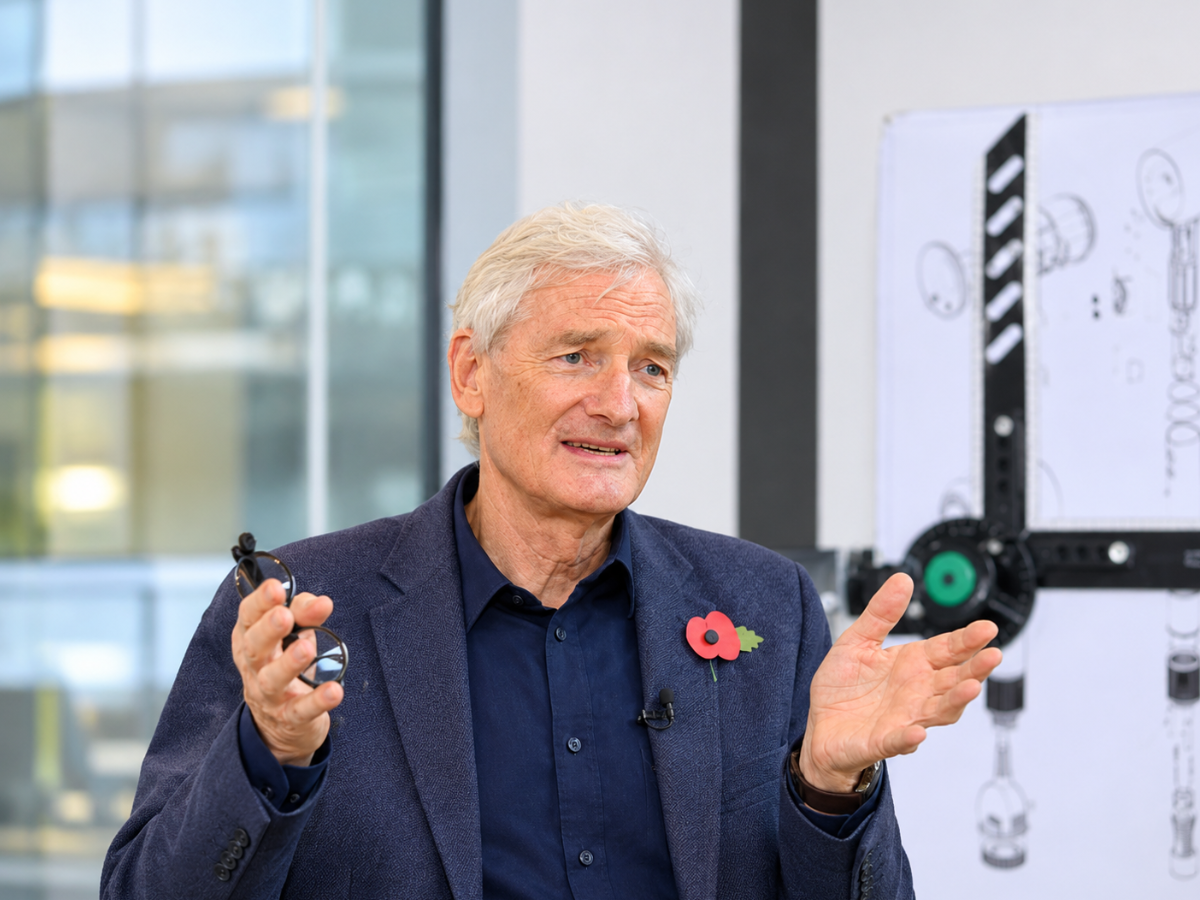
The money behind the Dyson Cancer Centre reveals a second, less comfortable feature of NHS capital investment. The Exchequer provided £40 million through the New Hospital Programme, while a fundraising campaign led by the hospital's charity, RUHX, secured a further £10 million from more than 11,000 donors. Among the largest contributions were £4 million from the James Dyson Foundation and £1 million from the Medlock Charitable Trust. For Sir James Dyson, the donation carried a deeply personal significance. Both his parents died far too young from cancer, and his foundation had previously supported the neonatal centre on the same hospital site. His generosity has helped make the project possible, but it also raises a difficult question about how fairly NHS infrastructure is funded. Bath had a major benefactor with an established connection to the hospital and a charity capable of mounting a substantial campaign. Many trusts have neither advantage. Some serve coastal and post-industrial communities where cancer outcomes are already poorer. If the quality and character of a hospital environment depend partly on its ability to attract private donations, local wealth risks becoming an influence on the quality of NHS facilities, a disparity that conventional performance tables may never capture.
The clinical case for the centre rests on bringing services together. Oncology, chemotherapy, radiotherapy, nuclear medicine, medical physics, research and a dedicated pharmacy now operate within one building, alongside a 22-bed inpatient ward. The intention is straightforward: reduce the journeys patients make between departments and allow clinical teams to coordinate care more easily. A doctor can consult a colleague nearby rather than send a patient across a sprawling hospital site. It is an arrangement clinicians have long wanted, and one that should make the experience of treatment less fragmented. Yet the building cannot solve the problems that arise before a patient reaches it. Cancer waiting times remain a persistent challenge for the NHS, with the 62-day standard missed for years. Delays in scanning and pathology can hold up diagnosis and treatment long before a patient enters a cancer centre. A well-designed chemotherapy department waiting for an overdue scan result is still a bottleneck, however impressive its surroundings.
Then there is the cost of keeping the doors open. A facility of this scale brings continuing demands for specialist staff, including radiographers and clinical physicists, professions where vacancies are well documented. The capital grant arrives once; the running costs return every year. For a trust already managing financial pressure, those commitments matter. The question that ultimately counts is whether the centre has improved waiting times and patient outcomes. With only two and a half years of operation, it is still early to draw firm conclusions. The Trust and NHS England should publish site-level activity and waiting-time data, allowing the centre to be judged by what it delivers rather than the promise of its architecture.
The practical implications are difficult to ignore. NHS leaders need to treat construction and recruitment as parts of the same programme, with a credible workforce plan in place well before the roof goes on. Policymakers should account for competition for skilled workers across sectors when setting capital project timetables. Public grants should also cover the full clinical specification of essential facilities, leaving private donations to improve the design and patient experience rather than pay for elements that public funding has failed to provide. Life sciences companies have reason to pay attention, too. The centre houses a research team and nuclear medicine services, while its work with the University of Bath offers opportunities for collaboration. Serving half a million people outside the country's established research clusters, it could provide a valuable setting for clinical trials and wider industry engagement.
The Dyson Cancer Centre is an impressive facility, made possible by the convergence of government funding, charitable fundraising and a determined benefactor. Its success deserves recognition. But a health service that depends on such favourable circumstances will struggle to deliver equally across the country. The real test of the next phase of NHS capital reform is whether the same quality of infrastructure can be built in communities without a billionaire benefactor, and where the shortage of engineers is just as acute.