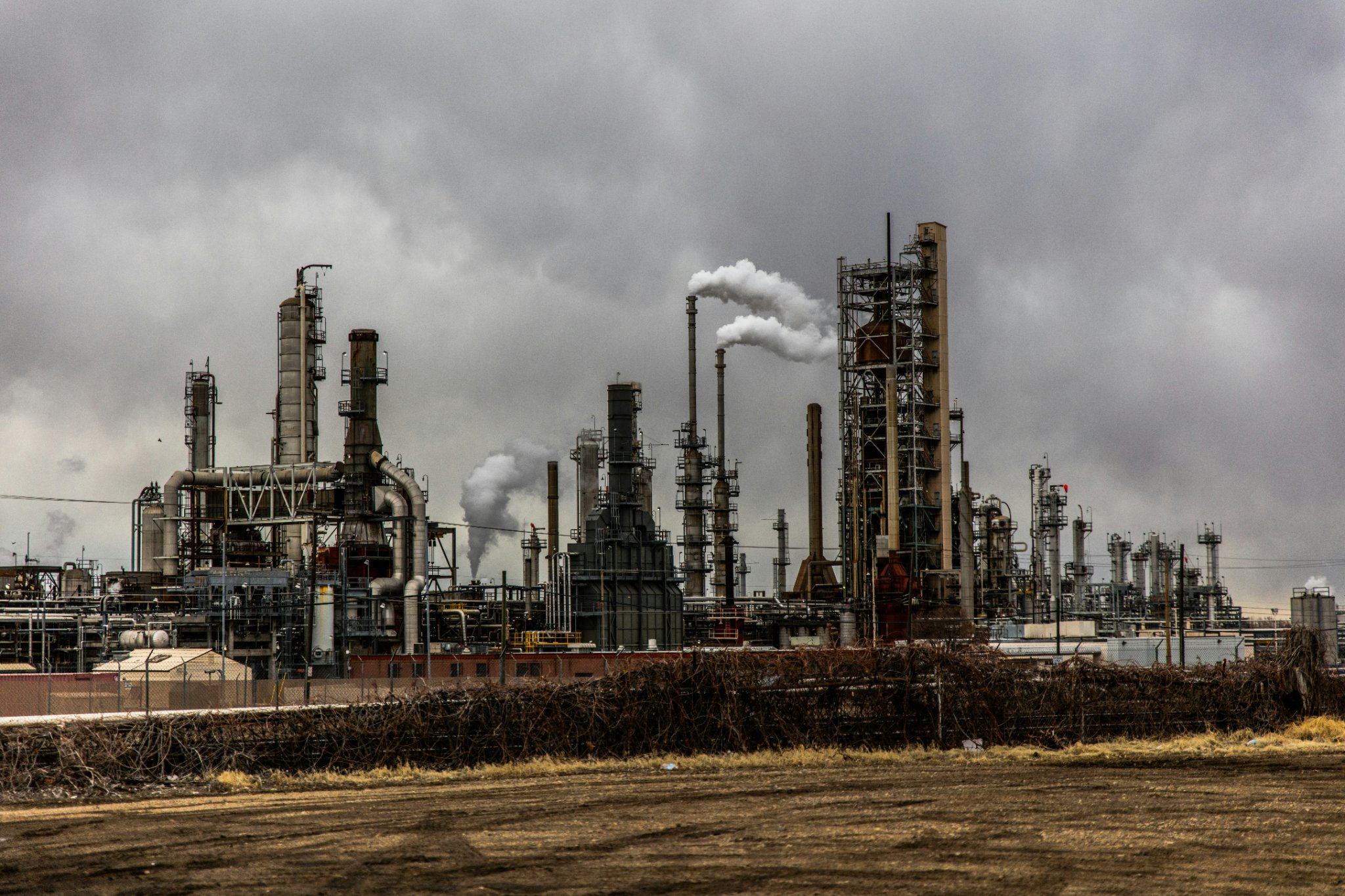
In a move administration officials have called a historic deregulatory action, U.S. President Donald Trump has revoked a pivotal scientific finding that greenhouse gases endanger public health and welfare. This decision, announced in February 2026 and described by Mr. Trump as the “single largest deregulatory action in American history,” fundamentally undermines decades of federal climate change policy and is set to reshape the regulatory landscape for emissions.
The repeal, supported by Environmental Protection Agency (EPA) Administrator Lee Zeldin, was justified on the grounds of claimed economic benefits, such as cost savings on vehicle regulations. However, the action has been met with fierce criticism from scientists, public health experts, and environmental advocates who warn that it represents a dangerous rejection of established science with far-reaching consequences for global health and climate progress.
The Revocation of the Endangerment Finding
The core of the decision is the removal of the EPA’s 2009 “endangerment finding.” This legal and scientific determination stated that carbon dioxide, methane, and other greenhouse gases pose a threat to public health and welfare.
For nearly 17 years, this finding provided the essential legal basis for regulating heat-trapping emissions under the Clean Air Act. It empowered the federal government to set standards for vehicle emissions, power plants, and other pollution sources, serving as the cornerstone for U.S. climate legislation.
By revoking it, the EPA has effectively stripped itself of the legal authority to address emissions that contribute to climate change under the existing Clean Air Act provisions. Immediate consequences include the rollback of vehicle greenhouse gas standards, a major contributor to U.S. emissions, and the potential unwinding of regulations across the industrial and energy sectors.
Public Health Warnings and Economic Conflict
The move has drawn swift and unequivocal condemnation from the scientific and public health communities. Critics argue the repeal ignores overwhelming scientific evidence linking fossil fuel emissions to worsening climate change and associated health risks, including respiratory illnesses, heat-related fatalities, and aggravated chronic conditions.
They also point out that the repeal eliminates regulatory tools used to control conventional air pollutants, which are independently linked to hundreds of thousands of premature deaths annually. Public health advocates warn that this rollback could reverse decades of hard-won gains in air quality.Supporters, including President Trump and Administrator Zeldin, frame the action as necessary to reduce regulatory burdens on industry and consumers. They argue that previous rules imposed costly compliance obligations, contributing to higher prices. The EPA claims the revocation will save approximately $1.3 trillion over the coming decades, primarily by eliminating stringent emissions standards.
However, independent analyses caution that these claimed savings drastically understate the enormous broader economic and health costs of increased pollution and climate disruption, which could amount to trillions of dollars due to extreme weather damage, healthcare expenses, and lost productivity. Economists also fear that policy uncertainty could stifle investment and innovation in cleaner technologies like electric vehicles and renewable energy.
Legal Challenges and State-Level Countermeasures
The repeal is expected to trigger extensive legal challenges. Several state attorneys general, particularly those from states like California with strong existing climate commitments, have vowed to sue the EPA. Environmental advocacy groups are also preparing lawsuits, arguing the decision violates statutory obligations under the Clean Air Act. These challenges could ultimately reach the U.S. Supreme Court, potentially revisiting the 2007 Massachusetts v. EPA ruling that affirmed the EPA’s authority to regulate greenhouse gases.
In the face of federal retreat, some states are strengthening their own climate policies. California, for example, remains committed to enforcing its vehicle emissions standards, signalling that federal rollbacks may accelerate regional climate action.
Global Impact and the Future of Climate Action
The U.S. decision has global implications. As one of the world's largest emitters, a shift in U.S. policy affects international climate negotiations and global clean technology investment. The move underscores the critical link between environmental regulation, public health outcomes, and innovation.
Rollbacks could slow the adoption and scaling of vital emissions-reducing technologies, from electric vehicles to smart grids that are central to global health and sustainability efforts. The repeal marks a dramatic inflection point in the global effort to combat climate change. For the wider world grappling with rising temperatures and escalating health burdens, public health and environmental advocates remain firm: the science is unchanged, and addressing greenhouse gas emissions remains an urgent global and national priority.


.jpg)
.jpg)
.jpg)