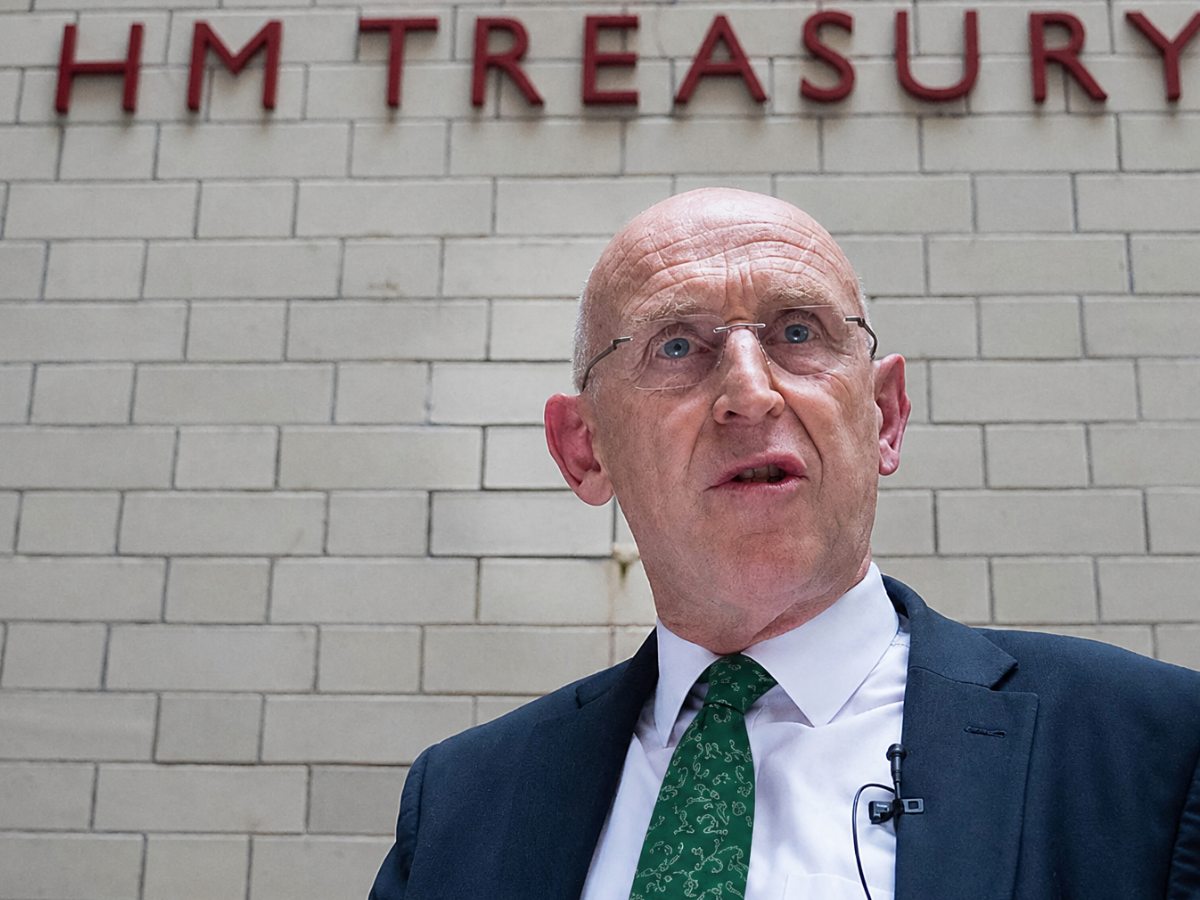
Leadership changes rarely matter because of the individual. They matter because of what they signal. In complex systems, confidence flows from the centre outward. When the centre looks uncertain, everyone hesitates. When it looks decisive, people move. That is why senior resignations in government are less about blame and more about restoring momentum. The real question is never who left. It is whether the system regains rhythm quickly enough to keep delivering.
The resignation of Morgan McSweeney, chief of staff to Keir Starmer, follows a period of political turbulence around adviser relationships and governance questions. Chiefs of staff occupy a unique position. They are simultaneously strategists, gatekeepers and operational managers for the Prime Minister’s office. When controversy builds, they often become the release valve. From the outside this looks dramatic. From the inside it is pragmatic. Systems under pressure remove friction quickly. In politics, that often means personnel change. The objective is not punishment. It is stability. Markets need reassurance. Civil servants need clarity. Ministers need a reset. Without it, every decision becomes second guessed and every programme slows. The resignation therefore functions as a signal that control is being reasserted and that delivery, rather than distraction, should resume.
For healthcare executives, this matters more than it might first appear. National health programmes depend heavily on consistency at the centre. Policy direction, funding approvals, regulatory sign off and digital strategy all flow through Whitehall. When No.10 appears unsettled, behaviour across departments changes instantly. Officials become cautious. Papers get deferred. Risk tolerance drops. Projects wait for clearer political air. None of this is written down. It simply happens. The effect is cumulative. A delayed decision on a data platform. A postponed approval for capital spend. A slower response on workforce reform. Multiply those delays across dozens of programmes and the result is measurable slippage in delivery. Trust boards feel it first. Suppliers feel it next. Patients feel it last. Political churn becomes operational drag. This is why seasoned NHS leaders track Westminster stability as closely as budgets. Stability equals pace. Pace equals outcomes. When leadership wobbles, the entire system shifts into neutral, even if no one intends it.
There is also an important cultural dimension. The NHS runs on relationships with the government. Leaders need confidence that commitments made today will still hold in six months. If leadership teams change frequently, that confidence erodes. Organisations hedge. They pursue safer projects. Innovation slows. Transformation becomes incremental rather than structural. For a service already under strain, that caution is costly.
Yet there is a more optimistic reading. Decisive resets can strengthen systems. By making visible changes quickly, Downing Street demonstrates that governance failures are not tolerated. That reassurance matters. It tells civil servants that process is protected. It tells boards that accountability exists. It tells the market that leadership understands the importance of trust. In many cases, this clarity actually accelerates progress. Once uncertainty clears, decisions move faster.
Corporate boards behave the same way. When confidence dips, they change leadership, tighten controls and move forward. Not because one person caused everything, but because symbolism rebuilds belief. The government is increasingly operating with the same logic. Visible action restores credibility. Credibility restores pace.
For NHS CEOs and COOs, the practical lesson is straightforward. Expect a short pause while the centre resets. Then expect sharper discipline. Use that window to prepare. Have business cases ready. Align priorities. Move quickly when the cadence returns. Systems that are prepared when clarity arrives gain advantage.
Ultimately, this resignation is less about politics and more about momentum. Health systems cannot function on stop start governance. They require steady sponsorship. Consistent messaging. Predictable decision making. When the centre provides those conditions, transformation becomes possible. When it does not, everything slows.
In healthcare, stability is a strategy.
Distilled takeaway:
Leadership clarity at the centre directly determines how fast the NHS can act. Stability is not cosmetic. It is operational leverage.


.jpg)
.jpg)
.jpg)