Politics rarely collapses because of policy detail. It collapses because of trust, and when trust erodes at the top of government the effects travel quickly down the chain of command. In most departments that means missed targets and awkward press conferences. In the National Health Service it means something far more concrete: operations delayed, staff morale dented, and patients waiting longer than they should for care that is already overdue.
The NHS runs on momentum. When leadership is confident and clear, decisions get made, contracts are signed, and systems move. When leadership is distracted or politically wounded, everything slows to a crawl. Procurement freezes. Reviews are launched. Pilots replace rollouts. Months disappear in meetings that produce paper rather than progress. The recent turbulence around Keir Starmer and the controversy connected to Peter Mandelson has exposed that fragility. Ministers forced into reputational defence cannot focus on delivery. Every hour spent explaining appointments is an hour not spent reducing waiting lists or fixing broken estates. That is why the current leadership debate is not Westminster gossip. It is operational risk. For a service already stretched thin, distraction at the centre is not political theatre. It is lost time, and lost time in healthcare has real human cost.
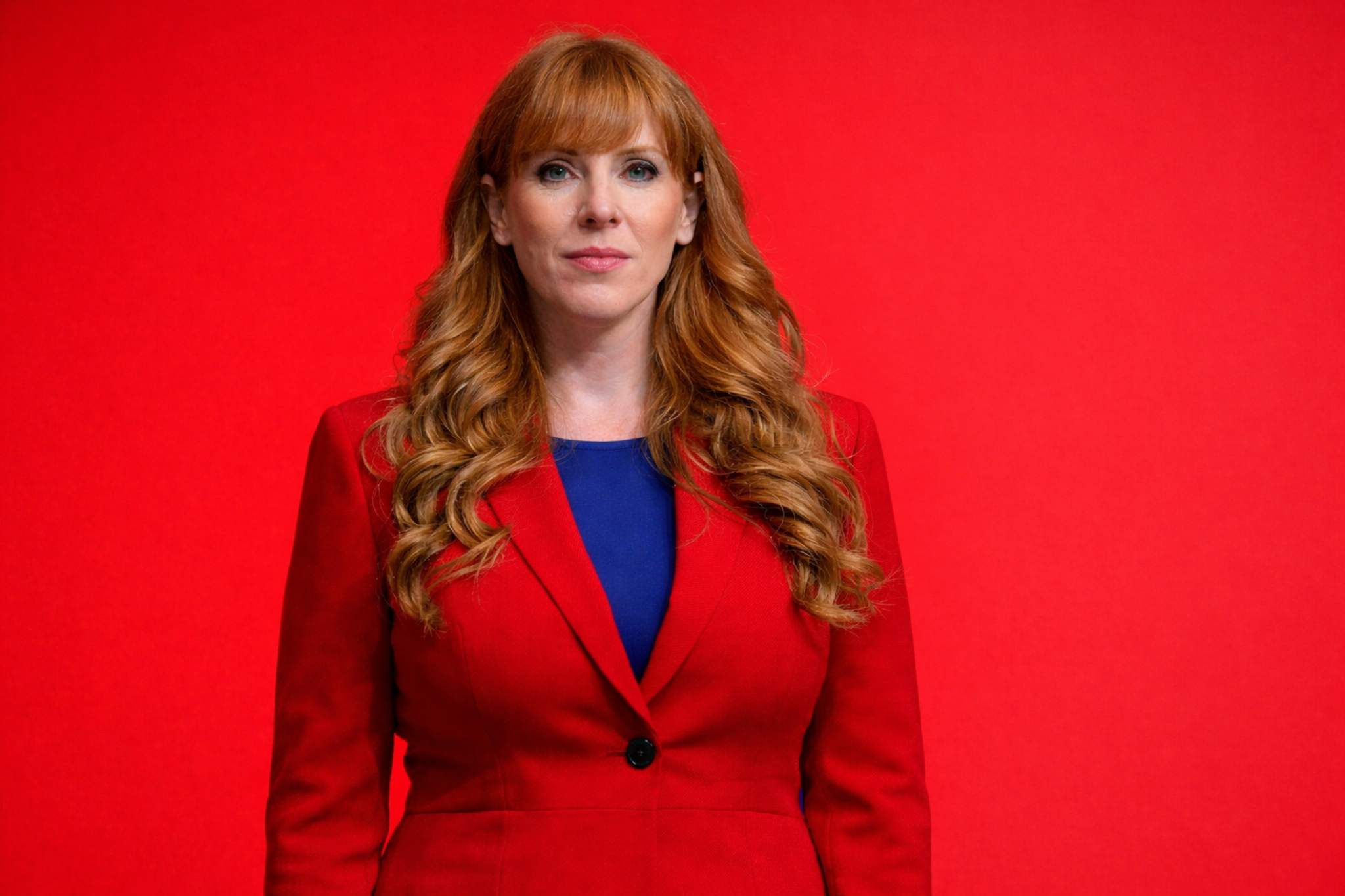
Against that backdrop, Angela Rayner looks less like a factional contender and more like a practical reset. Her case is not ideological or technocratic. It is functional. She arrives without the baggage of old networks or the perception of being tied to the relationships currently dominating headlines. That distance matters more than most strategy documents. Leaders unencumbered by scandal spend their political capital on change rather than defence. They can talk about delivery instead of damage control. In the NHS context, that breathing space is invaluable. Trust boards and civil servants respond quickly when they believe the centre is stable. When they sense fragility, they hedge, delay, and wait for the next reshuffle. The difference between those two mindsets often determines whether a programme scales nationally or languishes as a pilot for years. Rayner’s appeal lies in that steadiness. She does not project the air of a grand reformer promising to redesign the state from scratch. Instead, she signals focus and practicality. The NHS does not need another sweeping blueprint. It needs a government that can concentrate long enough to execute the plans it already has.
Her political instincts also align closely with the frontline realities of public services. Rayner consistently frames policy through the lived experience of staff and communities rather than through Whitehall abstractions. She talks first about nurses, estates, and patients, and only later about structures and systems. It sounds obvious, yet it is surprisingly rare in national politics, where reorganisations are too often mistaken for reform. The NHS has seen decades of structural tinkering that produced new acronyms but little visible improvement on wards. What it lacks is not innovation but follow through. A leadership style grounded in delivery could shift that balance. Fewer headline grabbing restructures. More staff where pressure is greatest. Faster capital to repair ageing hospitals. Less obsession with boutique pilots. More scaling of what already works. There is also a clear regional dimension. Health inequalities in the north of England remain stark and measurable, from life expectancy to chronic disease burden. Rayner’s roots make levelling up healthcare feel authentic rather than cosmetic, with investment directed to communities that have historically been overlooked. For many trusts outside London, that would feel like the first time in years that someone in Downing Street is looking directly at them rather than through them.
None of this suggests that any prime minister, Rayner included, could magically solve the NHS’s structural challenges. The service is too large, too complex, and too constrained by workforce and funding pressures for simple answers. But leadership tone still matters enormously. The difference between drift and delivery often comes down to whether the centre is calm, credible, and decisive. Personnel changes underline the point. If Wes Streeting does not become prime minister, he may be moved aside. If he does, a new health secretary will take over anyway. Either way, the department resets. Under Rayner, that reset could happen with a clean slate and a clear mandate, giving new ministers room to act quickly rather than untangling inherited controversies. In practical terms, that means contracts signed sooner, digital tools scaled nationally, and workforce reforms implemented rather than endlessly announced. The system moves.
For patients and staff, that movement is what counts. The NHS does not need drama or fireworks. It needs competence and consistency. Right now, a steady hand might be the most radical reform of all.


.jpg)
.jpg)
.jpg)