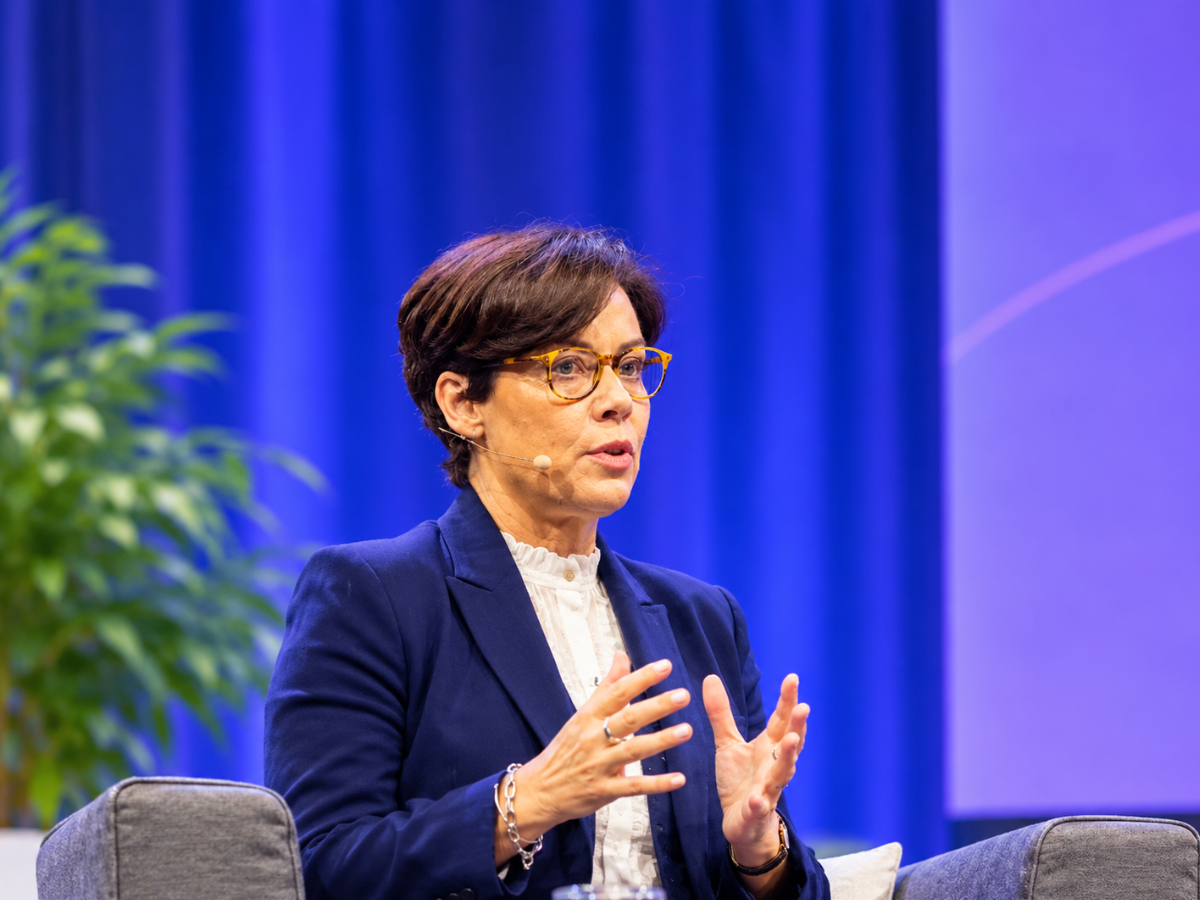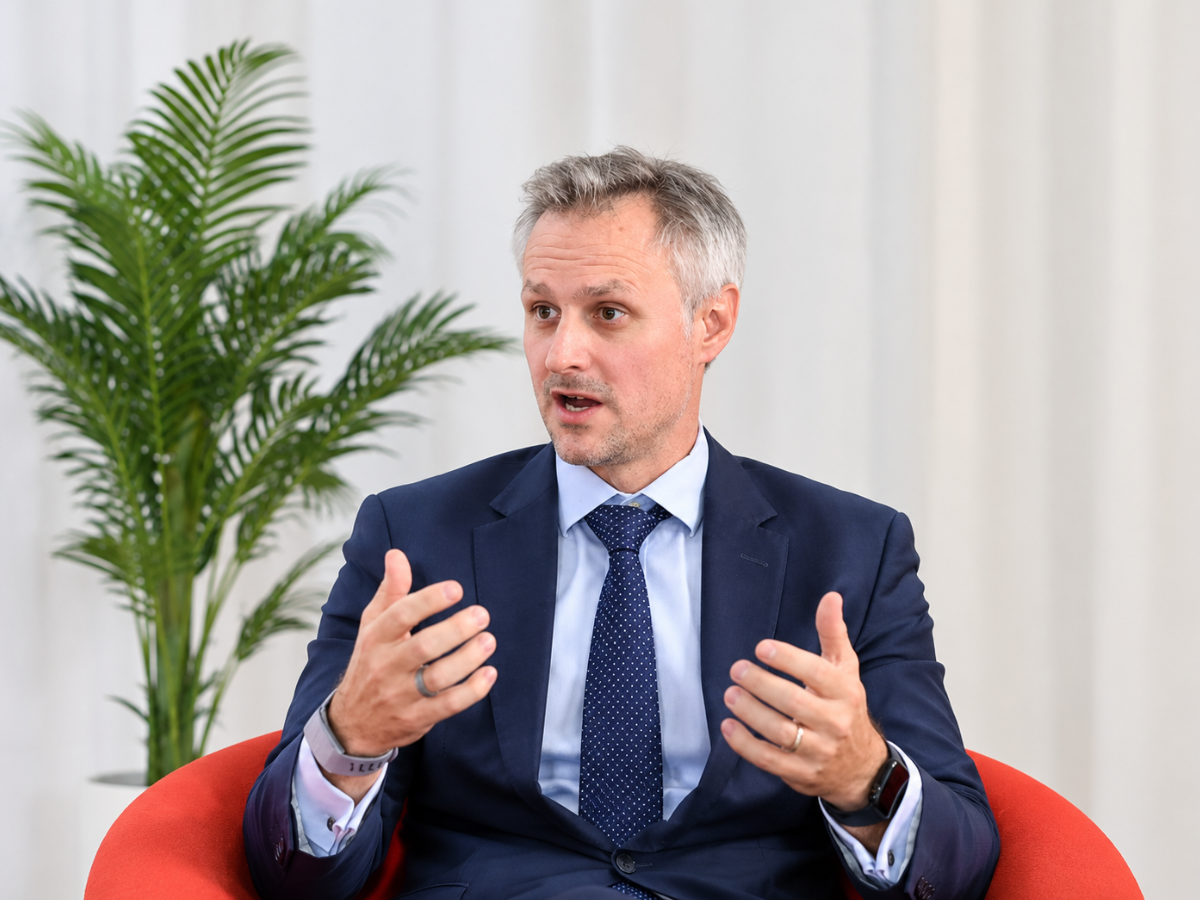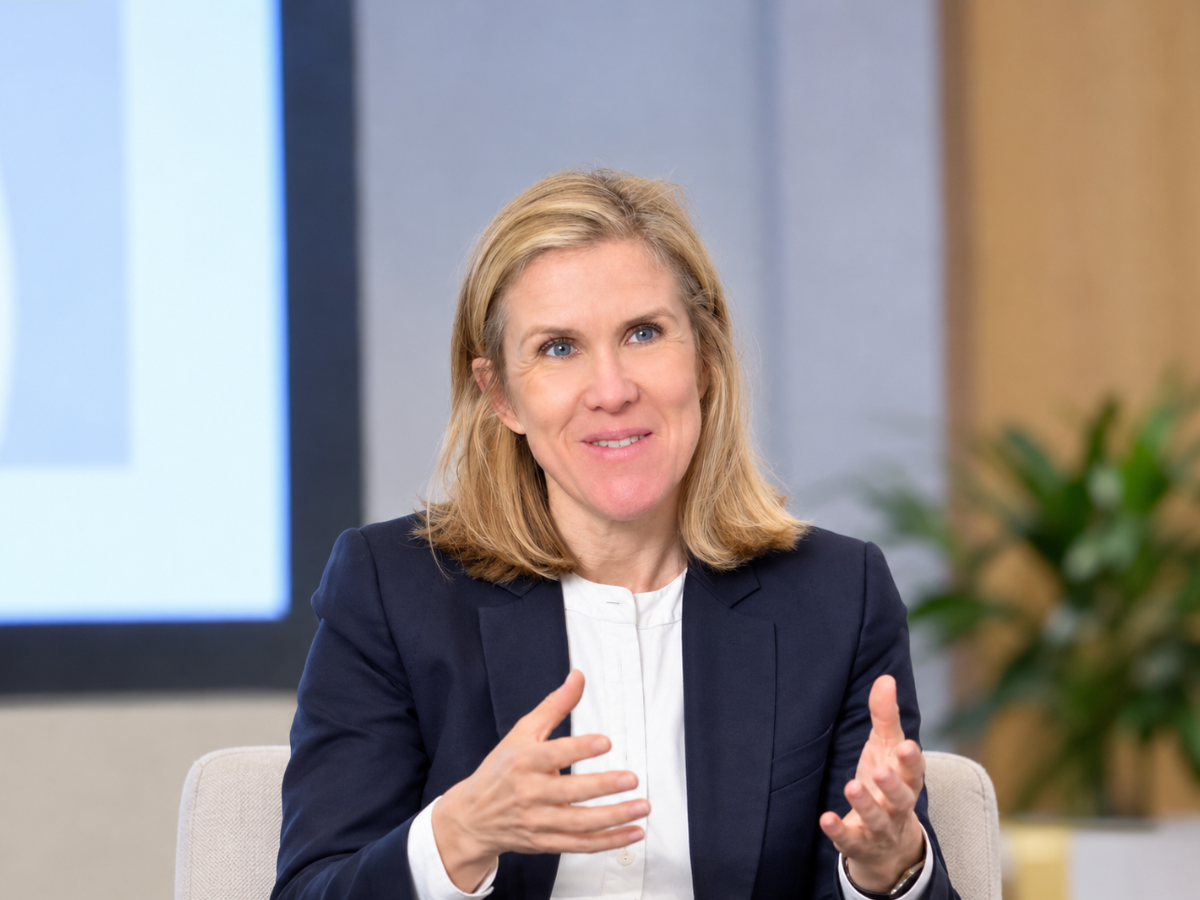
Fiona Miller Smith, Chief Executive Officer, Barts Charity
Barts Charity is to invest £6.77 million over five years in an expansion of the Barts BioResource, a store of patient samples and linked health information held across Barts Health NHS Trust in east London. The programme will collect more than 50,000 biological samples and link them to health records and imaging data. It will integrate with the Barts Health Data Platform, which allows clinical data and samples to be connected easily. The charity announced the funding on 26 October.
The BioResource pairs samples such as blood and tissue with health information from the people who donate them. Under the expansion, patients will be recruited at Barts Health hospitals in four clinical areas: cardiovascular disease, cancer, arthritis and maternity care. Samples will be collected as part of routine NHS care, and patients will be followed over time. The charity says this will give researchers a fuller picture of how diseases develop and where genetic links lie, and will support more personalised approaches to treatment. The £6.77 million will pay for the infrastructure the expansion requires.
The charity describes east London's population as exceptionally diverse and states that people from underrepresented communities have not always had the same opportunities to take part in medical research. The expanded BioResource is intended to address this by building participation into routine care. Consent will be available in multiple languages and accessible formats, and patients and local communities will help shape how the programme operates and how their data is used. The charity says the result could be a research resource that better represents the people the health service treats, and could help scientists understand how diseases present differently between individuals and develop treatments that work for more people. It adds that findings from east London could have an impact well beyond the capital.
The BioResource was established by Queen Mary University of London and Barts Health. Since 2017, more than 28,000 people have contributed health information and biological samples. Their contributions have supported more than 65 research projects, which the charity says have gone on to have real-life applications in hospitals.
The programme will operate alongside national initiatives including Genomics England and UK Biobank. The charity describes its distinguishing feature as operation across a single NHS trust, with patients offered the chance to take part at the point they receive care. It says the aim is to make research a more routine part of healthcare and to shorten the time between scientific discovery and improvements in patient care.
Professor Sir Mark Caulfield, vice-president for health at Queen Mary University of London, said east London's diversity offered a unique opportunity to improve understanding of health and disease. He said that embedding research in everyday NHS care would allow many more patients to take part and would help turn discoveries into more precise and effective treatments for local communities and for patients elsewhere.
Professor Anthony Mathur, principal investigator for the BioResource, said thousands of donors had already supported projects with benefits in hospitals. He said that following patients over time as part of routine care would help researchers understand how diseases develop in different communities and bring treatments to patients sooner.
Dr Jenny Rivers, director of research and development at Barts Health, welcomed the funding and said it moved the trust closer to its ambition of making research "a part of everyday care". She said that bringing sample collection and recruitment together across the trust's hospitals, and drawing on the diversity of its communities, would help researchers understand disease better and find new treatments. Fiona Miller Smith, chief executive of Barts Charity, said the investment would accelerate medical breakthroughs and support treatments developed for the individual. She said she expected the BioResource to improve equity in healthcare across the globe as well as locally.