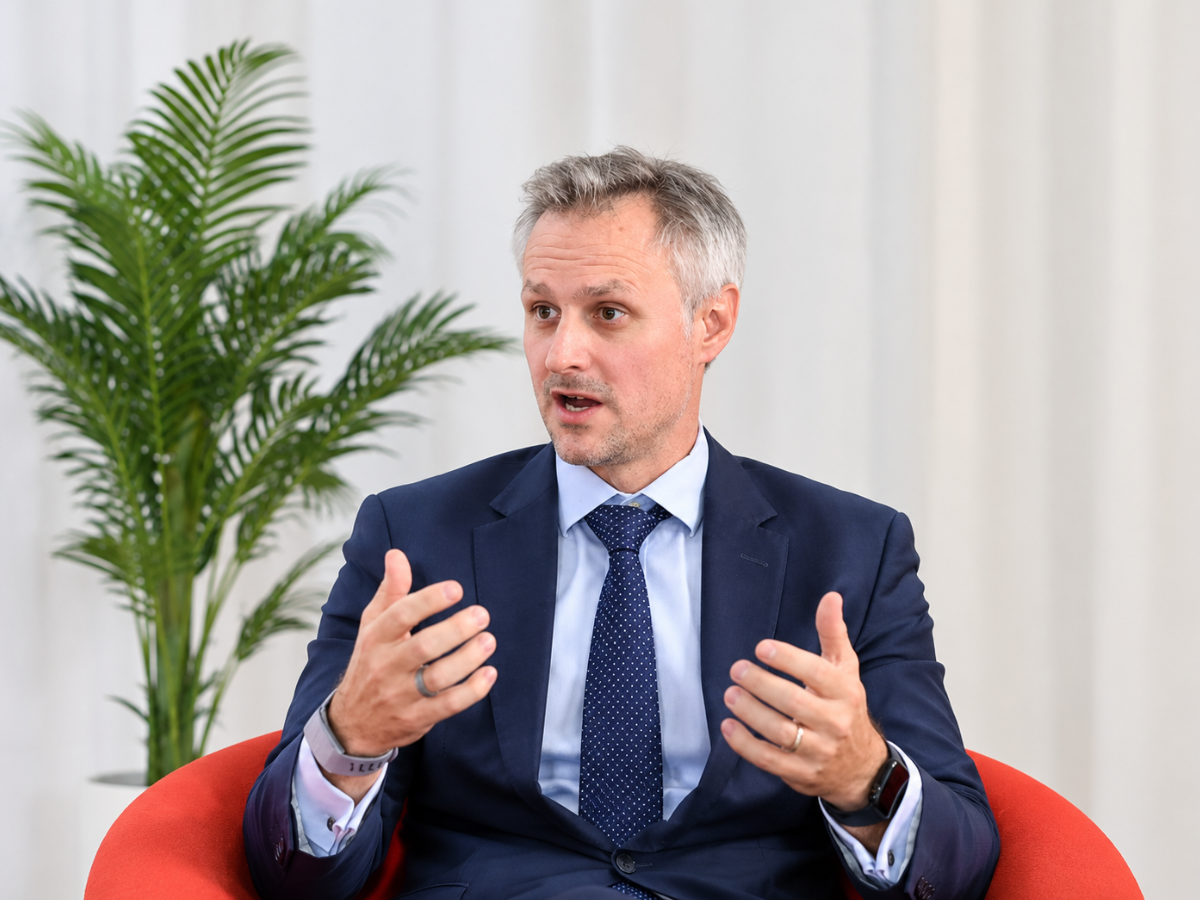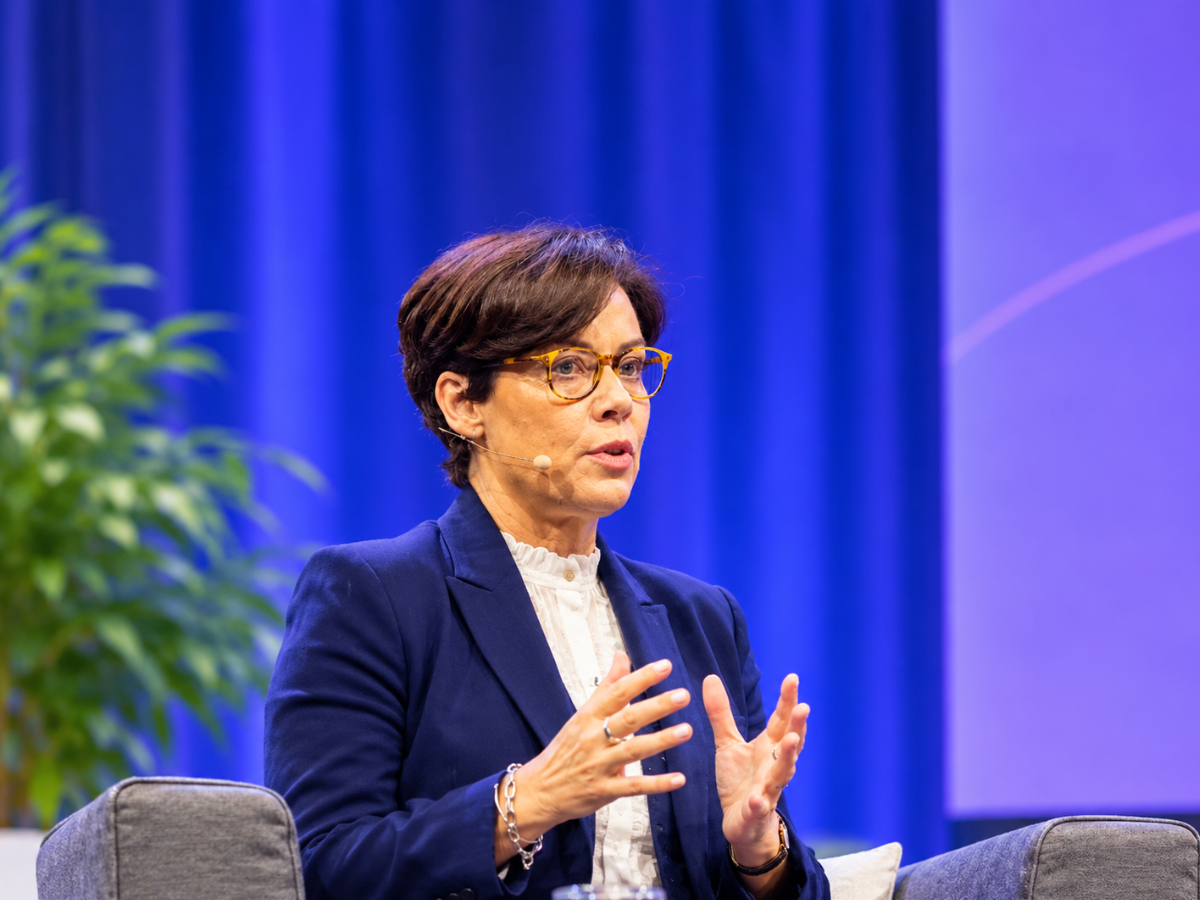
Gillian Lynch, Head of Europe and UK, Binance
The FBI has attributed the theft of about $6.3bn from Binance to TraderTraitor, a North Korean state-sponsored hacking unit, in what is the largest cryptocurrency heist on record. That is roughly £4.7bn. Attackers drained the exchange's hot wallets on 29 October. The FBI links the same unit to the $1.5bn Bybit theft last year. Binance suspended withdrawals and began restoring them in stages on Sunday.
The exchange has moved to limit the effect on customers. It says it has replaced about 95% of the affected assets from corporate funds and its user protection fund, up from 90% a day earlier, and that about $3bn of the stolen assets has been frozen. It also said it had readied $6.34bn to cover losses. In the first nine and a half hours after withdrawals reopened, it processed $4.65bn of withdrawals and $1.01bn of deposits. The net outflow of $3.64bn equals 2.1% of the $171bn shown in its latest proof-of-reserves data. DefiLlama, an independent analytics platform, recorded a larger 24-hour net outflow of about $5.8bn.
The extent of UK exposure is unknown. Binance has not said how many British customers were affected by the freeze, and it stopped taking new UK customers in October 2023, although existing accounts continued to trade. Research for the Financial Conduct Authority found that 8% of UK adults, about 4.5 million people, own crypto assets and that 73% of owners typically acquire them through centralised exchanges.
Those customers hold accounts with a firm outside the UK regulatory perimeter. The FCA imposed requirements on Binance Markets Limited in 2021, and the firm's permissions were cancelled at its own request on 30 May 2023. The regulator confirms that no other entity within the Binance Group is authorised to operate in the UK. Customers of unauthorised firms do not have access to the Financial Services Compensation Scheme or the Financial Ombudsman Service. Binance has said it will bear the financial impact and will not pass losses to users. That commitment is the company's own decision and carries no statutory backing for UK holders.
The financial crime questions are close to home. The Office of Financial Sanctions Implementation said in a July 2025 assessment that North Korean-linked hackers pose the most significant and persistent threat to the crypto asset sector, and that UK-based firms were highly likely to be targeted. The FBI expects TraderTraitor to convert the stolen assets mainly into ether and to launder them through decentralised finance platforms and instant swap services. UK banks and exchanges that handle any onward transfers will need to screen them against sanctions obligations.
The theft arrives as the new domestic regime approaches implementation. The Financial Services and Markets Act 2000 (Cryptoassets) Regulations 2025 come fully into force on 25 October 2027. The FCA opened its authorisation gateway on 30 September 2026, applications close on 28 February 2027, and firms registered under the money laundering rules do not convert automatically. The regulator published its final rules on 30 June. Applicants face broader expectations on operational resilience and consumer protection than registration under the money laundering rules required. Binance was reported in August to be preparing an application.
Binance's regional regulatory strategy is led by Gillian Lynch, appointed Head of Europe and UK in July 2025, with responsibility for the company's strategy, day-to-day operations and regulatory engagement across both markets. Her previous experience includes serving as CEO of Europe at cryptocurrency exchange Gemini, where she oversaw its expansion and secured regulatory permissions in Ireland. In June 2026, following difficulties with Binance's Greek application under the EU's Markets in Crypto-Assets framework, Lynch told Reuters that the exchange would pursue an alternative route to European authorisation. Although those comments concerned European rather than UK licensing, her position places her among the senior executives responsible for Binance's regulatory relationships as the FCA's new UK authorisation regime approaches.
Public appetite for oversight is measurable. FCA research found that 26% of people who do not own crypto assets would be more likely to buy them if the market were regulated. With the gateway open and almost a year before commencement, the FCA and applicant firms have time to test custody and resilience arrangements against the details of this attack as they emerge. The speed of Binance's restitution gives regulators a concrete case to work from.