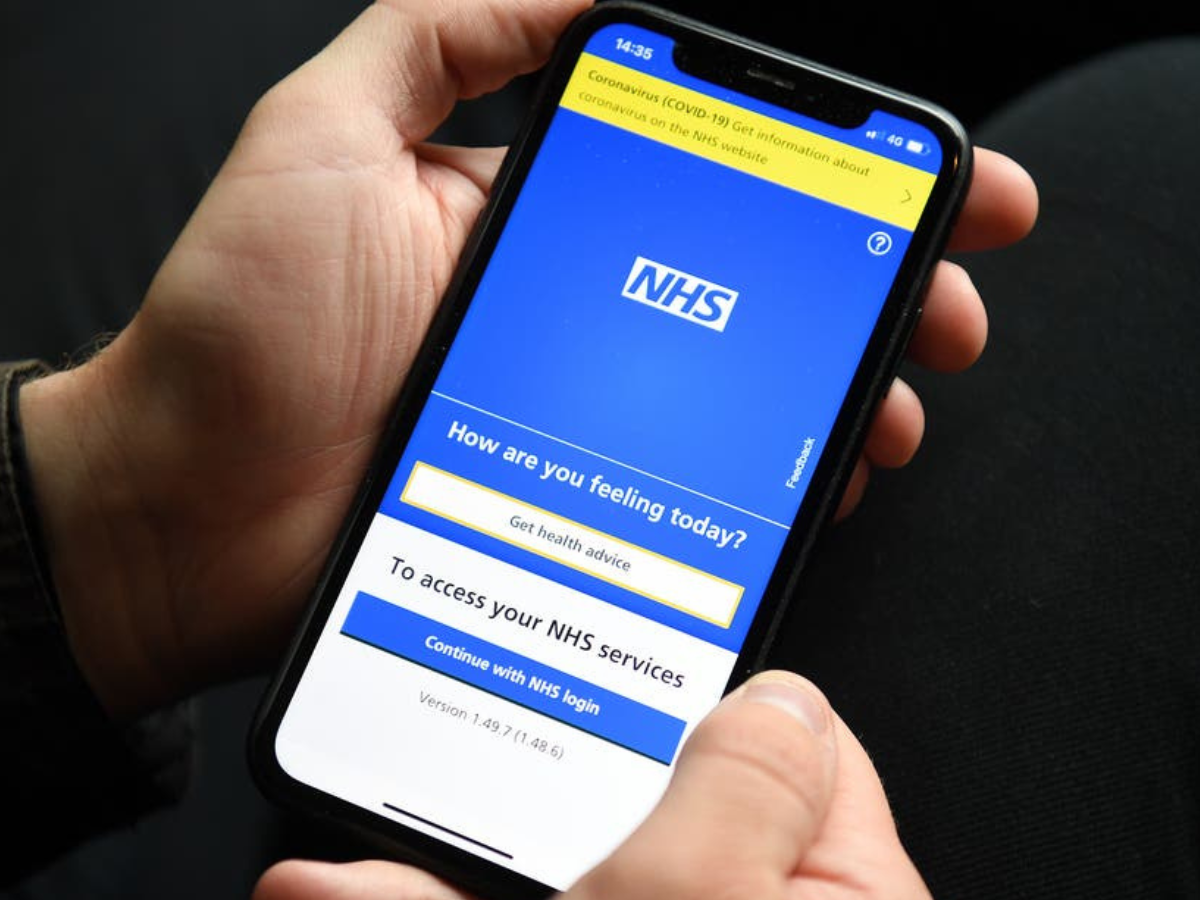
Growing use of the NHS App has not improved how patients experience the administrative side of the health service, according to analysis published by The King's Fund. The findings challenge the assumption that digital access to services will, in itself, reduce the frustration patients report when navigating appointments, test results, and communication with clinical teams.
Polling conducted by Ipsos in December 2025 found that 66% of patients and carers still encounter significant administrative problems when dealing with the NHS. That figure has not shifted meaningfully despite a period of increased app adoption. A trend observed in 2024, in which app users reported greater optimism about NHS administration than those who did not use it, has since reversed. There is now no statistical difference in satisfaction between users and non-users.
Where patients say the system is failing
The King's Fund report, titled Still Lost in the System, sets out the specific problems patients most commonly encounter. Delays in receiving test results remain a persistent complaint. Many patients report having no reliable information about how long they will wait for an appointment or where they sit in a queue. Appointment errors, including missed letters, incorrect bookings, and failures to communicate cancellations, continue to affect a significant proportion of those using NHS services.
One finding stands out. App users are more likely than the general patient population to report frustration at not having a clear point of contact within the health service. Among app users, 38% cited this as a problem, compared with 34% across the wider population surveyed. That gap suggests the app may be raising expectations it cannot currently meet, leaving those who engage with it more aware of the gaps than those who have not adopted it.
The gap between the digital offer and the underlying system
Lillie Wenzel of The King's Fund has described the app as the intended "front door" of the government's 10-Year Health Plan for the NHS. The difficulty, as the analysis identifies, is that a functional front door cannot compensate for problems that sit deeper inside the building. The administrative failures patients experience are largely rooted in processes that predate the app and have not been reformed alongside it. Digitising the point of access does not resolve opaque waiting list management, fragmented record-keeping, or poor communication between different parts of the system.
The King's Fund has also called for the app to be developed in closer consultation with patients, arguing that its current design does not adequately reflect the range of needs and preferences across the population it serves. That includes older patients, those with limited digital access, and people managing multiple long-term conditions who interact with the NHS across several services simultaneously.
The official position
NHS England has acknowledged that outdated administrative systems continue to constrain what local teams can deliver, regardless of the digital tools available to patients at the front end. The government has maintained its commitment to shifting the health service from analogue to digital processes, citing ongoing investment in infrastructure and data integration as the basis for expected improvements. Officials have not set a timetable for when that investment is expected to produce a measurable change in patient experience.
What the analysis recommends
The King's Fund has outlined ten actions it regards as necessary to close the gap between the app's potential and its current impact. Central among them is a call for patients to have default access to their health records and personal data through the app, rather than needing to request it separately or navigate multiple systems to retrieve it. The broader argument is that administrative reform must accompany digital investment, and that the two cannot be treated as separate programmes.
The report concludes that the NHS cannot afford to allow administrative dysfunction to persist alongside a digital infrastructure that patients are increasingly expected to use. Confidence in the health service's ability to manage the basic mechanics of care, booking, communicating, and recording, remains a precondition for confidence in the system as a whole.


.jpg)