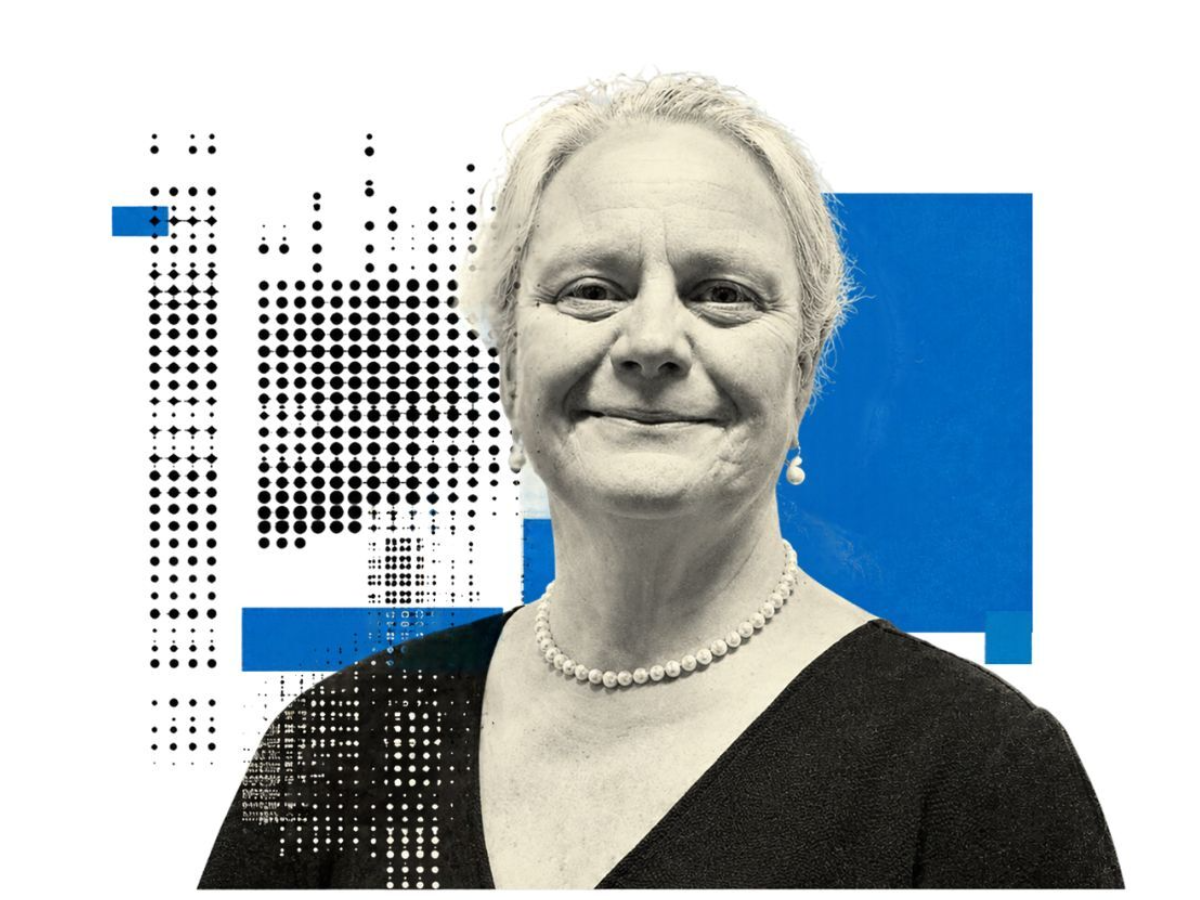
Shabana Mahmood, UK Home Secretary
For a year Shabana Mahmood has defended what she called the biggest overhaul of legal migration rules in half a century, and for most of that time the sharpest objections came from her own benches. On Monday, after a morning with union leaders, she rose in the Commons to tell MPs that care workers who came to Britain when the sector was reeling from the pandemic would keep their five-year route to permanent residence. Critics reached at once for the phrase U-turn. They were looking at the wrong department. The decision belongs as much to the NHS as to the Home Office.
The original proposals, published in November 2025, set a ten-year baseline for settlement and put lower-paid workers, care workers among them, on a fifteen-year path. The revised package keeps the ten-year wait for most people earning under £50,000. Public sector key workers in health and education stay on five years, as do those earning above that figure, and the highest earners can settle in three. Care workers who arrived before May 2025, met their visa conditions and earn at least £25,000 keep the five-year route. Those who miss the criteria can take a new five-year visa and then seek settlement, so a route remains, if a longer one. The Home Office now estimates that 517,000 people will wait longer than five years, down from 799,000 under the first design.
Social care is where the NHS discharge problem is decided. Every hospital chief executive knows the pattern: beds occupied by patients who are fit to leave, ambulances stacked outside emergency departments because those beds are not free, elective lists squeezed as a result. Waiting list recovery, and the shift of care into the community promised in the government's ten year health plan, both assume a care workforce stable enough to take people home and keep them there. Overseas recruitment filled a large share of the vacancies that opened after 2022. That route has since closed to new care worker applicants, so the people already here cannot be replaced quickly. A worker facing fifteen years of conditional status has good reason to look at other countries or other sectors, and the provider who loses her will find no substitute on the open market. Operators in domiciliary care and supported living, a sector worth around £15 billion, had been warning of precisely this.
Mahmood heard those warnings from unions, from Labour MPs and from a former Home Office minister who worked on the proposals with her, and she acted on them. That is how a consultation is supposed to end. She has maintained throughout that settlement should be earned, and the exemption rests on a defensible account of what earning means. Care workers who answered the country's call after the pandemic and kept to their visa conditions have, on any fair reading, done so. The ten-year wait for most lower earners stands, which preserves credibility with voters who continue to rank immigration high among their concerns. Holding a principle while conceding on its application is harder than doing either alone, and it is what a competent government looks like.
There is a wider point about the state's word. Many of those affected took up health and care visas on rules that promised settlement after five years, and the original plan would have applied the new terms to people already in post. Ministers who change the rules retrospectively invite employers and workers alike to treat every future offer with suspicion, and the NHS competes for staff in the same international market. A government that wants to recruit again when the next shortage arrives, and in health and care one always does, has an interest in being seen to honour what it promised the last time. Mahmood's exemption goes some way to protect that reputation, and the Conservative and Reform proposals for retrospective reviews would spend it quickly.
The fiscal argument deserves a straight hearing. Home Office modelling published in March put the lifetime public cost of 117,000 care workers under the old five-year rules at £4.2 billion, rising to £9.5 billion with adult dependants. Conservative shadow ministers say the exemption forfeits those savings. Reform UK would go further, with a ten-year minimum for everyone and a retrospective review of health and care visa holders. Those are lifetime costs, however, and they sit beside others. Independent analysis of skilled migrants and dependants settling under standard rules puts their net lifetime tax contribution at £115 billion, a different population but a pointed comparison. Neither figure captures the price of a vacant care post, which lands on the NHS as a bed that cannot be released. Mahmood weighed both ledgers. The Liberal Democrat complaint that rigid thresholds stand in for a workforce strategy is fair, and it points to the work that remains.
The practical consequences fall quickly on providers and commissioners. The £25,000 floor and the May 2025 arrival date are hard edges, and employers whose pay sits close to the threshold need to know which staff fall on either side. Integrated care boards and local authorities that commission care should map that exposure now, because fee settlements decide whether providers can pay above the line. Health-tech and workforce-planning firms serving the sector will find demand for tools that track visa status and earnings. The harder task belongs to the Department of Health and Social Care and the Treasury. A migration rule keeps today's workforce in place. Keeping tomorrow's depends on pay and career structure that make care work a job people choose to stay in.
Social care will not be repaired by a statement to the Commons. Mahmood has removed one self-inflicted threat to a workforce the NHS cannot spare, and she has shown how a reform survives contact with the institutions it touches: by bending where the evidence is strong and holding where it is weak. The Home Secretary has done her part. Her colleagues in Whitehall now have to do theirs.