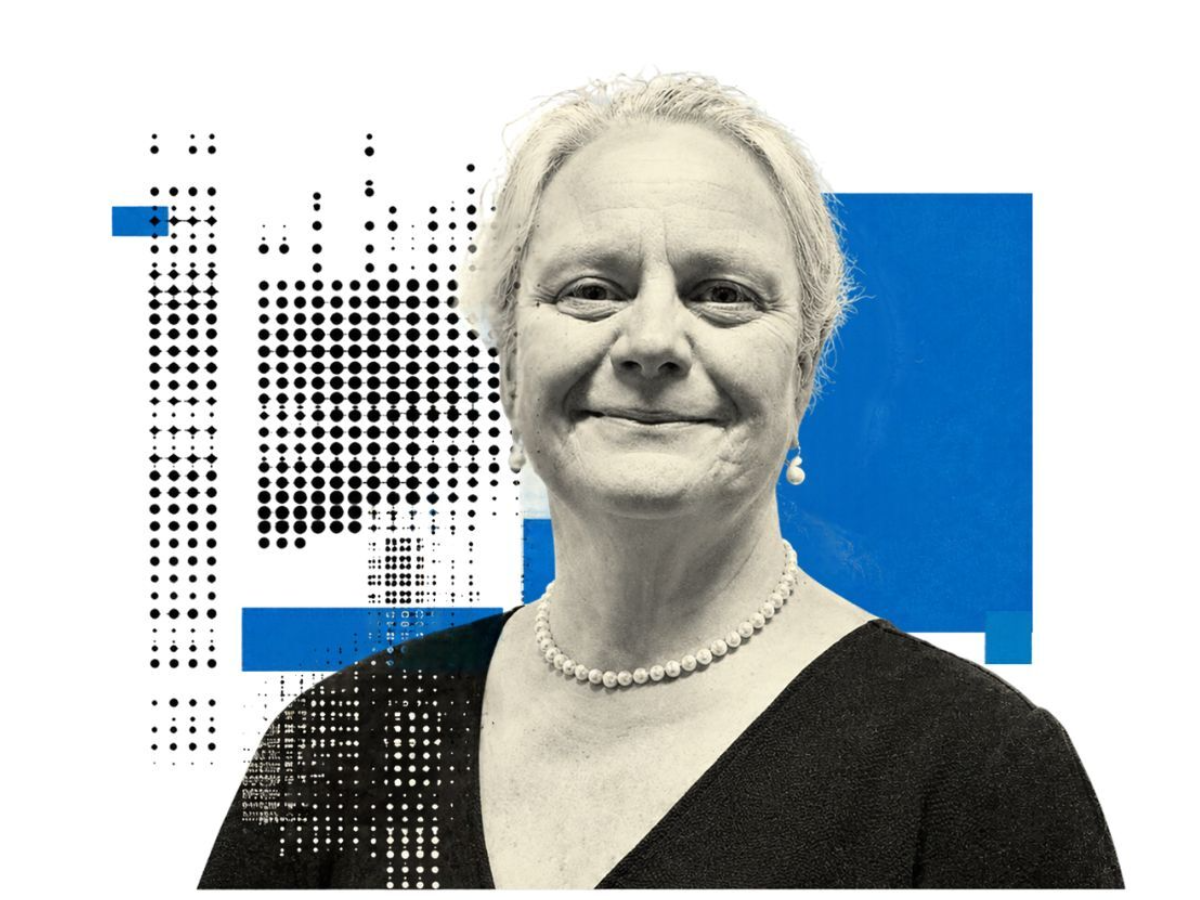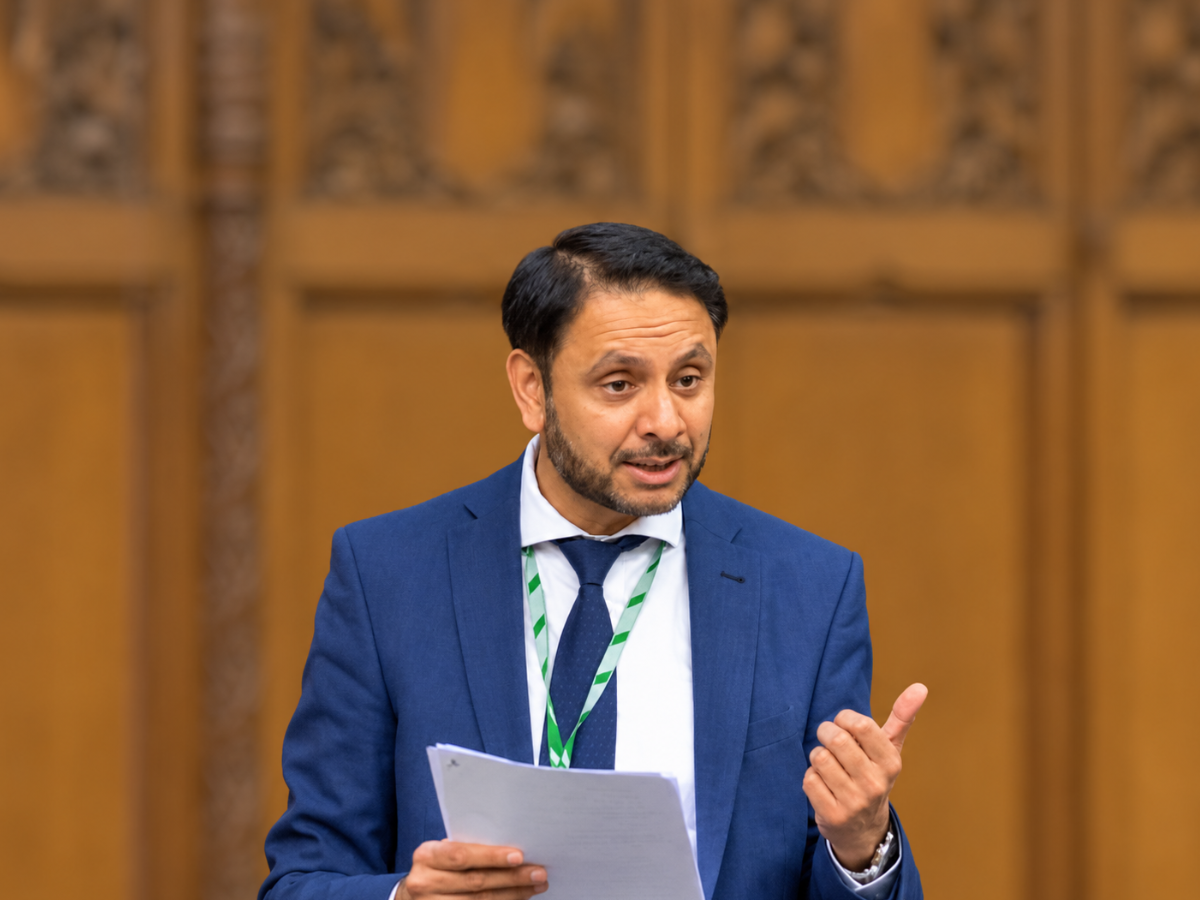
Shockat Adam, Independent Member of Parliament (MP) for Leicester South and a practicing NHS optometrist
On a Tuesday afternoon at a high-street optician's in the South East, a woman in her early sixties sits down for a routine sight test. She has never had to pay for one. The optometrist checks her eyes and finds that the pressure in her left eye is higher than it should be. She has noticed nothing unusual. Glaucoma is often silent in its early stages, steadily eroding peripheral vision until the damage becomes irreversible. The optometrist makes a referral and sends her on her way. For the patient, the next stage is where the uncertainty begins. The test was free. The wait that follows may be considerably more costly.
A recent written parliamentary answer offered reassurance on the part of the system that works. A health minister confirmed that free NHS sight tests remain available to millions of eligible people, while integrated care boards (ICBs) are responsible for commissioning primary and secondary eye care according to local need. Eligibility is extensive. It includes children under 16, young people under 18 in full-time education, everyone aged 60 and over, people with diabetes or glaucoma, and those aged 40 or above with a parent, sibling or child who has the condition. The entitlement also extends to people registered blind or partially sighted, holders of a complex lens voucher or HC2 certificate, prisoners on leave, and recipients of certain means-tested benefits, including Pension Credit Guarantee Credit and Universal Credit subject to earnings limits. The College of Optometrists estimates that more than 13 million NHS-funded sight tests are carried out each year in England, across approximately 7,000 practices.
It is a substantial public service, and few would argue otherwise. The trouble begins after the optometrist puts down the equipment. The Health Bill, introduced in May, transfers the statutory duty to commission primary ophthalmic services to ICBs, as part of wider reforms that include the planned abolition of NHS England, indicated for April 2027. Commissioning responsibilities have been delegated to ICBs since 2023, allowing ministers to argue that the practical arrangements will change little. In an answer to MPs on 8 June 2026, Stephen Kinnock also made clear that the legislation would not alter patients' eligibility for free sight tests. It is a reassuring answer, but a limited one. The right to an examination says little about the care a patient can expect once a problem is discovered.
On that second question, the picture is considerably less comfortable. In March, the Department of Health and Social Care told Parliament that it did not hold data showing how many people were waiting for glaucoma follow-up appointments, or how long those patients had been waiting. In January, an MP told the Commons that ten ICBs had no glaucoma case-finding or referral management service. The figure is an assertion made during parliamentary debate, rather than a centrally verified measure, and should be treated accordingly. Yet it points to a disparity that deserves serious attention.
Where optometrists are commissioned to assess referrals, identify suitable patients and monitor those with stable glaucoma, hospital eye departments can concentrate their resources on patients requiring specialist intervention. Where such arrangements are absent, more patients are channelled into hospital outpatient clinics, adding to pressure in one of the NHS's largest specialties. Glaucoma patients require regular reviews, and stretched capacity can push those appointments beyond the recommended intervals. The consequences are rarely dramatic or immediately visible. Sight can deteriorate gradually, without the patient realising that valuable time has been lost. Meanwhile, the absence of national waiting-time data makes it difficult to establish the scale of the problem or identify where the worst delays are occurring.
There is a reasonable case for giving local commissioners greater freedom. An urban ICB serving an older population with a higher prevalence of eye disease will face different pressures from a rural board. The Government's ambition to move more care into neighbourhood settings also offers an opportunity to reduce unnecessary hospital visits. But local decision-making depends on having reliable information. Without a nationally recognised measure of glaucoma waiting times, ICBs cannot readily compare their performance, identify failing pathways or demonstrate that patients are receiving consistent care. For someone awaiting an appointment, the difference may come down to their postcode.
There is also a financial calculation that commissioners cannot ignore. Community glaucoma schemes require investment in trained staff, equipment and monitoring arrangements before savings become visible. Their longer-term return comes through sight preserved and hospital appointments avoided. That is a difficult proposition for an ICB under immediate pressure to balance its books. The benefits may take years to emerge, while the expenditure lands in the current financial year. In a system dominated by short-term financial pressures, preventative eye care can struggle to win the argument.
The remedies currently being proposed address only part of this problem. The College of Optometrists has called for an amendment requiring the Secretary of State to ensure that access to sight tests does not vary between localities. Such a safeguard would help protect the first point of contact. Shockat Adam, meanwhile, has argued that ICBs should be under a duty to commission glaucoma services, rather than simply being given the power to do so under the Bill. His proposal reaches further into the pathway, but even a statutory duty risks becoming little more than words on paper if nobody collects the information needed to enforce it. A regulator cannot identify a service shortfall that the system has made no effort to measure.
For ICB leaders, the question is increasingly difficult to avoid: how many glaucoma patients in their area are overdue for review, and how many have waited beyond the clinically recommended interval? Publishing those figures voluntarily would be a sensible place to start. Ministers should consider making glaucoma follow-up delays a nationally reported measure, giving the Department the evidence it currently lacks when MPs ask about access to care. For providers and health-tech companies developing diagnostic imaging, remote monitoring and referral platforms, the emerging commissioning landscape will present opportunities, although demand is likely to differ considerably between boards. Demonstrating that a service reduces hospital attendances and improves patient pathways may prove more persuasive to cash-strapped commissioners than technical performance alone.
Patients, meanwhile, are entitled to expect that a free NHS sight test means more than an isolated appointment. The right to have their eyes examined is protected across England. The quality and timeliness of what follows may depend on where they live.
Return to that woman in the South East. Her entitlement is secure, her sight test has been completed and a potential threat to her vision has been identified. Yet the crucial question remains unanswered: when will she be seen again? Her future eyesight may depend on an appointment whose waiting time is not recorded in any national dataset. Until the Department can say how long glaucoma patients are waiting, ministers can continue to defend the principle of free eye tests, but they cannot offer a convincing account of what happens when those tests uncover a condition that demands continuing care.