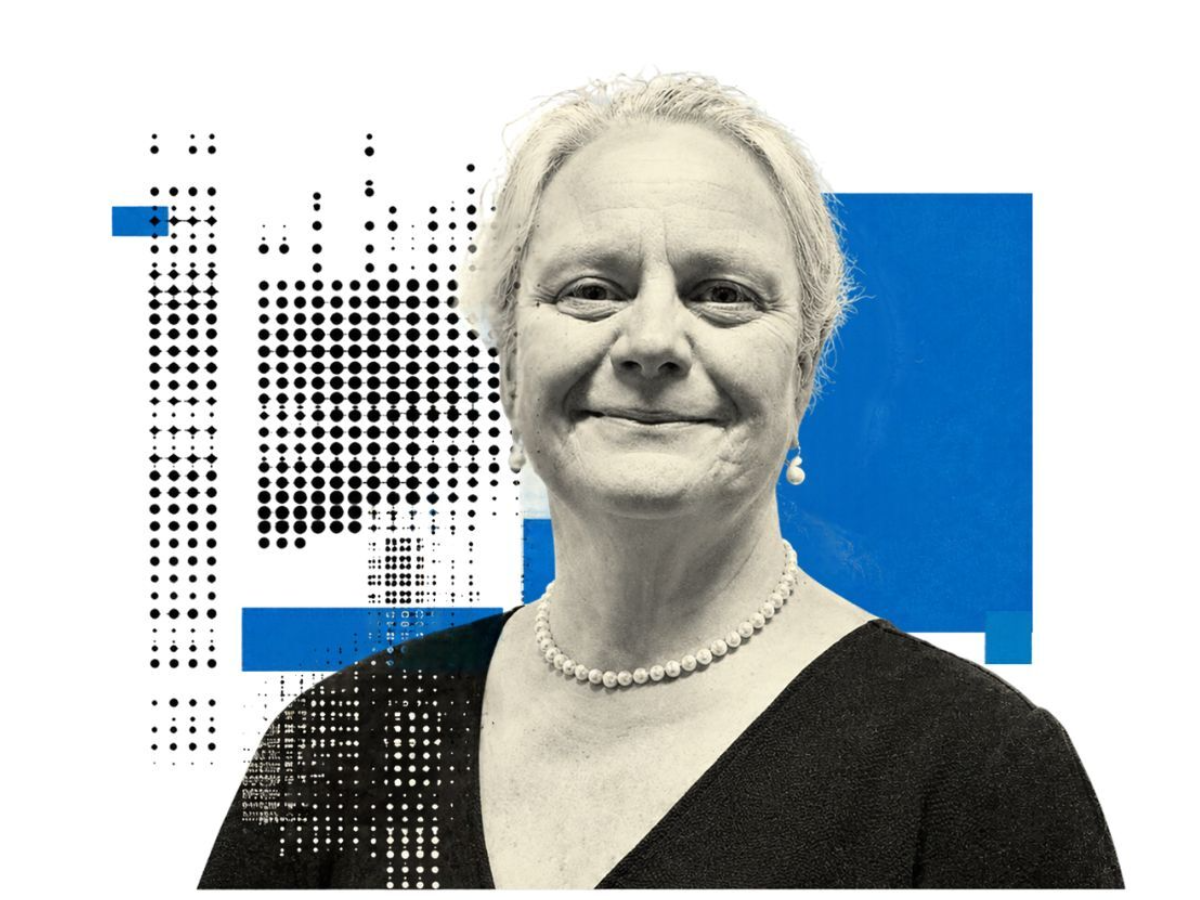
Dr. Gege Gatt, Founder and CEO of EBO
A healthcare technology company whose software is being used across 23 NHS organisations has secured investment from Olea Venture Partners as it prepares to take its patient engagement platform beyond Britain. EBO, the London-headquartered artificial intelligence company founded by Dr Gege Gatt, plans to use the investment to speed up its international growth. It has set up a new operational base in Greece and names the United States as one of its next target markets. The company has not disclosed the value of the investment.
The ambition rests on a proposition that will resonate with NHS managers struggling to make the most of overstretched services: fewer missed appointments, less time spent on routine administration and more patients able to manage their own care. EBO says its Intelligent Patient Portal is already operating across 23 NHS organisations, spanning acute hospitals, integrated care boards and community interest companies. According to Gatt, deployments have reduced missed appointments by as much as 30 per cent, while patient satisfaction has reached 94 per cent. Both figures are company-reported and have not been independently verified.
The administrative savings could prove particularly significant. Appointment changes and waiting-list reviews, traditionally handled through telephone calls and manual processing, can be managed through automated digital workflows. For trusts facing lengthy waiting lists, every appointment that can be recovered from an otherwise unused clinic slot matters. The prospect of releasing administrative staff from repetitive tasks also offers a practical incentive for organisations under pressure to improve productivity without adding to their workforce.
The portal is designed to fit into existing NHS infrastructure rather than operate as a separate patient database. It connects with primary care and hospital record systems, including EMIS, and is accessible through the NHS App and NHS login. Gatt says information submitted by patients is written directly into their records, removing the need for staff to transfer appointment changes manually. That integration is central to the company's proposition: a digital service is of limited value to hospitals if it creates another system for employees to monitor and maintain.
CSH Surrey has already introduced the platform within its community podiatry service. EBO describes the deployment as the first instance of an NHS-contracted social enterprise linking appointment management through the NHS App, extending the technology's reach beyond conventional acute hospital settings.
Accessibility is another part of the company's pitch. The portal supports more than 100 languages and adapts its content to different reading levels, addressing barriers that can prevent patients from using digital healthcare services. EBO is now developing voice interaction with minimal response delays, intended to help people with limited literacy or digital confidence manage appointments through spoken conversations. Gatt argues that patients who struggle with text-based systems should not have to rely on relatives or telephone handlers to navigate routine healthcare administration.
Such ambitions bring questions of clinical safety and accountability. Gatt says EBO's platform is continuously monitored, incorporates error-handling mechanisms and follows formal NHS clinical safety standards. Individual trusts must still satisfy themselves that the technology meets local requirements before introducing it into their services. For NHS organisations considering greater use of artificial intelligence, the distinction between a promising demonstration and a system safe enough for routine patient interaction remains an important one.
The investment from Olea Venture Partners gives EBO a route to pursue markets beyond the NHS. The company has established an operational base in Greece, intended to connect research and development networks in Italy, Cyprus and Malta with its existing UK and US operations. Gatt sees the Greek hub as a platform for reaching Mediterranean healthcare markets, while Olea's backing is expected to assist the company's planned entry into the United States. EBO has also joined the Nvidia Inception programme, which provides participating start-ups with technical guidance and computing resources to develop advanced technologies.
Taking software developed around NHS processes into other healthcare systems will, however, involve more than simply finding new customers. European and North American providers operate under different funding arrangements, use different patient record systems and organise access to care in ways that can differ substantially from the British model. EBO has yet to publish results from international deployments demonstrating that its reported NHS outcomes can be replicated elsewhere.
For Gatt, the investment marks an opportunity to turn a platform with an established NHS presence into a wider international business. The commercial test will be whether the reductions in missed appointments and administrative workload reported by UK customers can survive the transition into healthcare systems with very different structures. The technology has found a foothold in the NHS. Its next challenge is proving that the model can travel.