
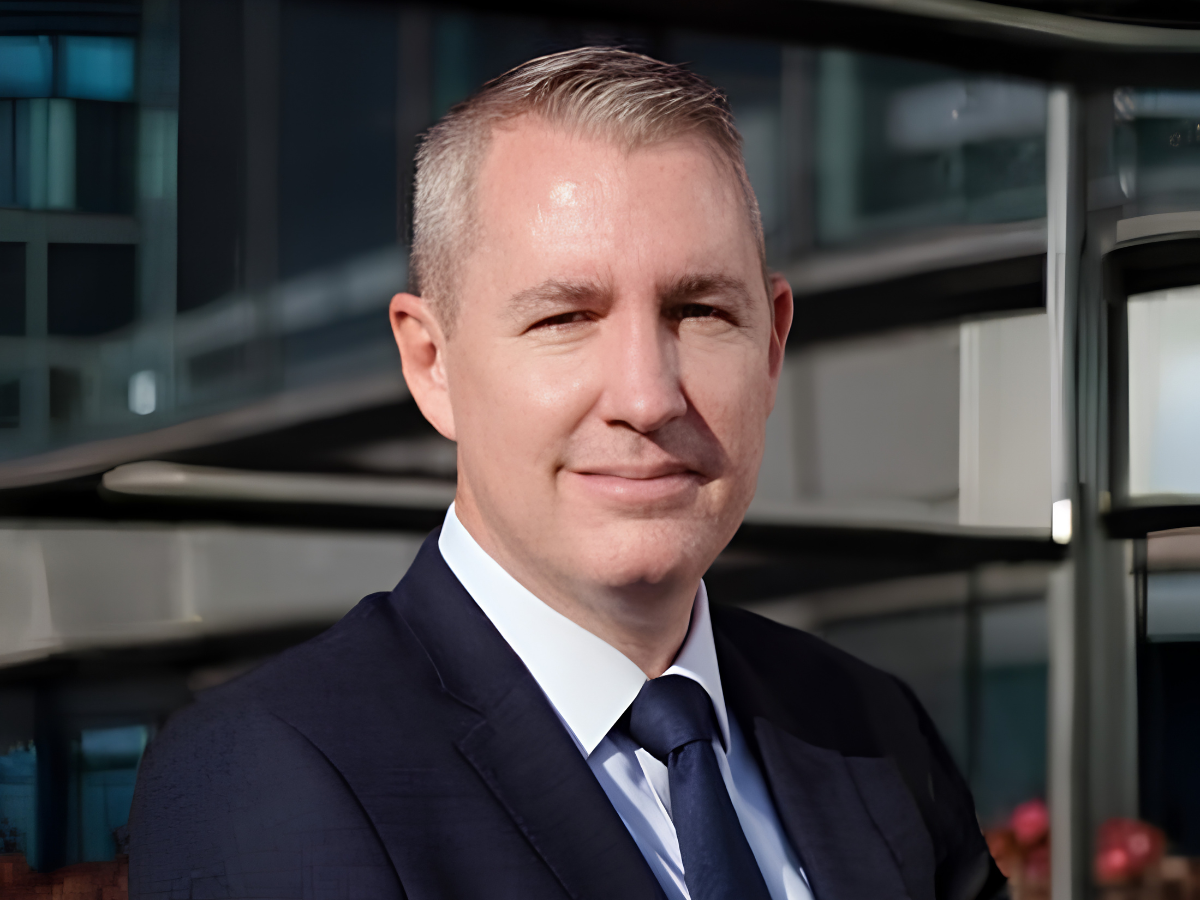
James Sumner, Group Chief Executive of the University Hospitals of Liverpool Group, has informed staff that he will leave his post in the coming months. The announcement marks a significant moment for one of the most complex hospital collaborations in England, bringing together acute, women's, and specialist cardiac services across three NHS foundation trusts.
The group, which took shape in 2024, spans Liverpool University Hospitals NHS Foundation Trust, Liverpool Women's NHS Foundation Trust, and Liverpool Heart and Chest Hospital Foundation Trust. Together, the three organisations represent a substantial portion of secondary and specialist care provision across Merseyside.
Mr Sumner's departure follows a difficult period for the group. Liverpool University Hospitals NHS Foundation Trust, the largest of the three, was recently placed in the "red" category in NHS England's capability assessment — a rating applied to providers considered to face the most significant leadership and operational challenges. The designation carries implications for oversight, scrutiny, and the level of national support directed at the trust.
Further complicating the picture, NHS England rejected the group's proposal for a full statutory merger that would have consolidated the three trusts into a single legal entity. Regulators instead indicated that the organisations should continue to operate as separate legal bodies under a shared leadership structure. The decision effectively limits the group's ability to integrate governance, finances, and workforce in the way that a formal merger would have permitted.
Mr Sumner joined the NHS trust that would become Liverpool University Hospitals in 2022, initially as Chief Executive of the Royal Liverpool and Broadgreen University Hospitals NHS Trust ahead of its merger with Aintree University Hospital. He subsequently took on the expanded role as Group CEO as the tripartite collaboration was formalised. In his message to staff, he described his decision as a personal one, stating that it was the "right time" for the organisation to move forward under new leadership as it enters its next phase.
Group Chair David Flory responded to the announcement by acknowledging the demands the role had placed on Mr Sumner. He noted the "great personal and professional demands" of leading such a complex organisation and expressed "genuine sadness" at his departure. Flory described the loss as significant, both for the group and for the wider North West healthcare system.
The departure is the latest in a series of senior leadership changes across the region. Chief executives at Northern Care Alliance and East Cheshire have also recently left their posts, contributing to an unsettled period for NHS leadership across the North West. The cumulative effect raises questions about continuity and stability at a time when several trusts in the area are managing performance pressures and organisational change simultaneously.
Whoever succeeds Mr Sumner will inherit a challenging brief. The most immediate priority will be addressing the "red" capability rating at Liverpool University Hospitals, which will require demonstrable improvements in leadership and operational performance to satisfy NHS England. Beyond that, the new chief executive will need to manage the group structure in the absence of a formal merger, navigating the practical and governance complexities that a shared model without legal integration presents. Elective care backlogs in Liverpool, in line with pressures faced across the country, remain a further area requiring sustained attention.
No successor has been named. The board has indicated that interim arrangements will be confirmed in due course, though no timeline has been specified.
The longer-term question is what direction the group model will now take. NHS England's rejection of the merger proposal has already altered the trajectory of integration in Liverpool. Whether a new chief executive will seek to revive formal consolidation, pursue a different model of collaboration, or focus resources on recovery within the existing structure remains to be seen. Mr Sumner's departure, while framed as a personal decision, arrives at a point where the fundamental shape of hospital provision in the city remains unresolved.



.png)
.png)
.jpg)