
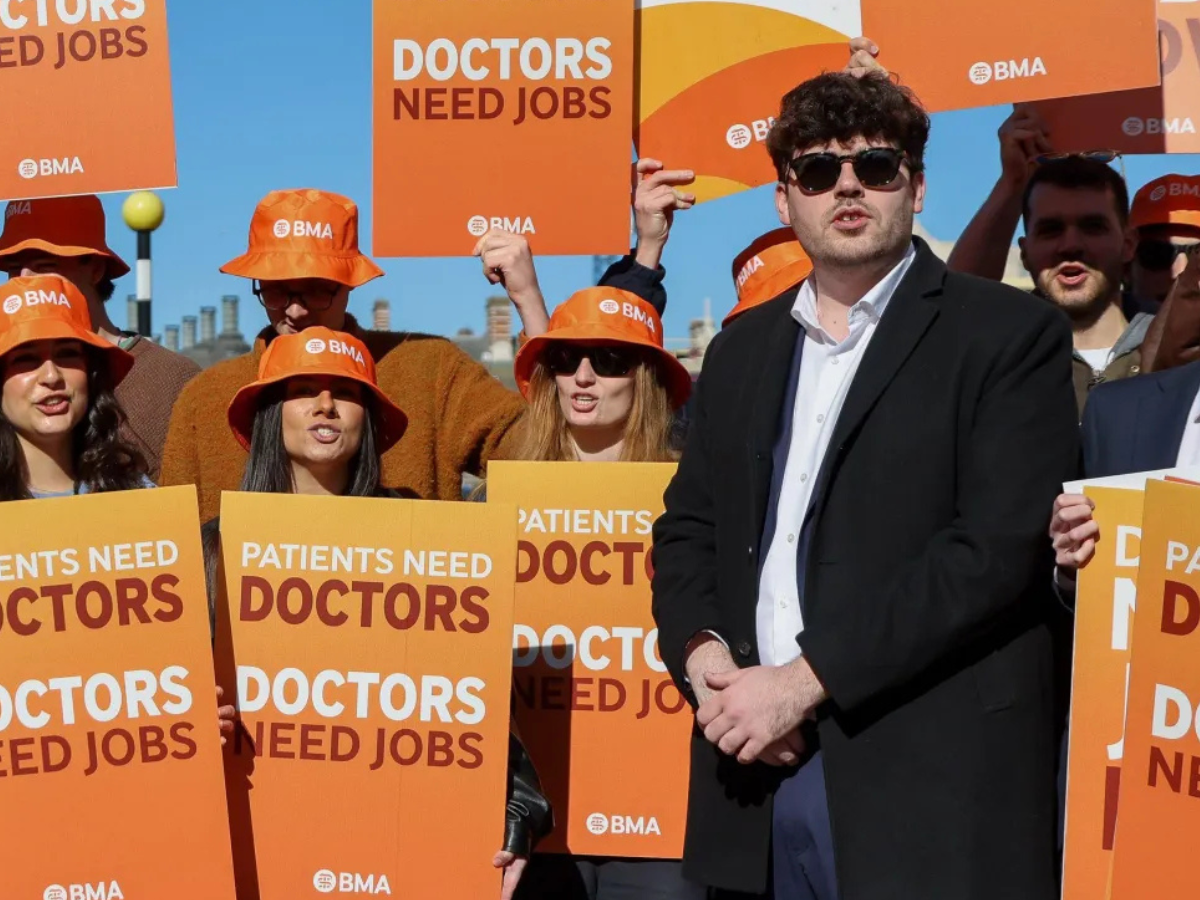
The British Medical Association's lead negotiators had reached what was described internally as a landmark agreement with Health Secretary Wes Streeting, only for the wider Resident Doctors Committee to reject it days later and authorise the longest strike of the current dispute. The sequence of events has exposed a significant rift within the BMA's own structures and left a pay settlement that had taken months to assemble in pieces.
The deal on the table was not modest. The package included a multi-year pay arrangement averaging a 7.1% rise for the lowest-paid resident doctors, reforms to pay progression through changes to nodal points, and a commitment to create 1,000 additional training posts. The BMA's co-chairs of the Resident Doctors Committee, Dr Robert Laurenson and Dr Vivek Trivedi, had engaged directly with Streeting through intensive negotiations and were understood to have viewed the offer as a credible step toward restoring pay that has eroded significantly in real terms over the past decade.
The committee saw it differently. Rather than putting the offer to a member-wide ballot, the RDC blocked it outright, arguing that the package failed to address pay erosion at sufficient pace and that the government had altered the terms of pay progression in the final hours of negotiation. The decision meant that rank-and-file resident doctors never had the opportunity to vote on the agreement, a point the government has since pressed hard.
Streeting was unusually direct in his response. He accused the BMA committee of "refusing their members the chance to have their own say" — a charge that cuts to the heart of the internal tension now visible within the union. On one side sit those who argued the deal represented a tangible gain worth accepting; on the other, committee members who believe the government will only move further if the pressure of industrial action is sustained. The two positions are not easily reconciled, and the events of the past week suggest they may not be.
The government's reaction went further than words. Streeting has indicated that the offer, including the 1,000 training posts, has been withdrawn. The Department of Health is now redirecting funds to cover what it estimates as £300 million in costs associated with the strike, which ran from 7 April to 13 April 2026. The timing was particularly acute, falling immediately after the Easter bank holiday and stretching NHS operational capacity at a point when elective recovery remains fragile.
Hospital chief executives had warned in advance of the walkout that the task of maintaining emergency cover during prolonged strikes had become, in the words of one trust leader, "sadly familiar but increasingly dangerous." The NHS has now absorbed multiple extended periods of industrial action since 2023, and the cumulative strain on rotas, waiting lists, and staff morale is considerable.
The strike represents a collapse of what the Labour government had positioned as a fresh start with the medical workforce. When Streeting took office, the language of "reset" was prominent. The new administration moved quickly to reopen negotiations that had stalled under its predecessor, and early signs suggested goodwill on both sides. That goodwill has now been substantially depleted.
What is left is a dispute without an obvious exit. The negotiators who had found a path to agreement no longer appear to be driving the process. The committee, having rejected the deal and authorised further action, will face pressure to demonstrate that a harder line produces better results. The government, having withdrawn a package it regards as generous, is unlikely to return to the table on comparable terms in the near term.
Both sides appear prepared for a prolonged standoff. The prospect of further strike action in the summer is real, and unless the RDC's position shifts or the government recalculates its offer, the residents who stood to benefit from the deal that collapsed may wait considerably longer for a resolution.



.png)
.png)
.jpg)