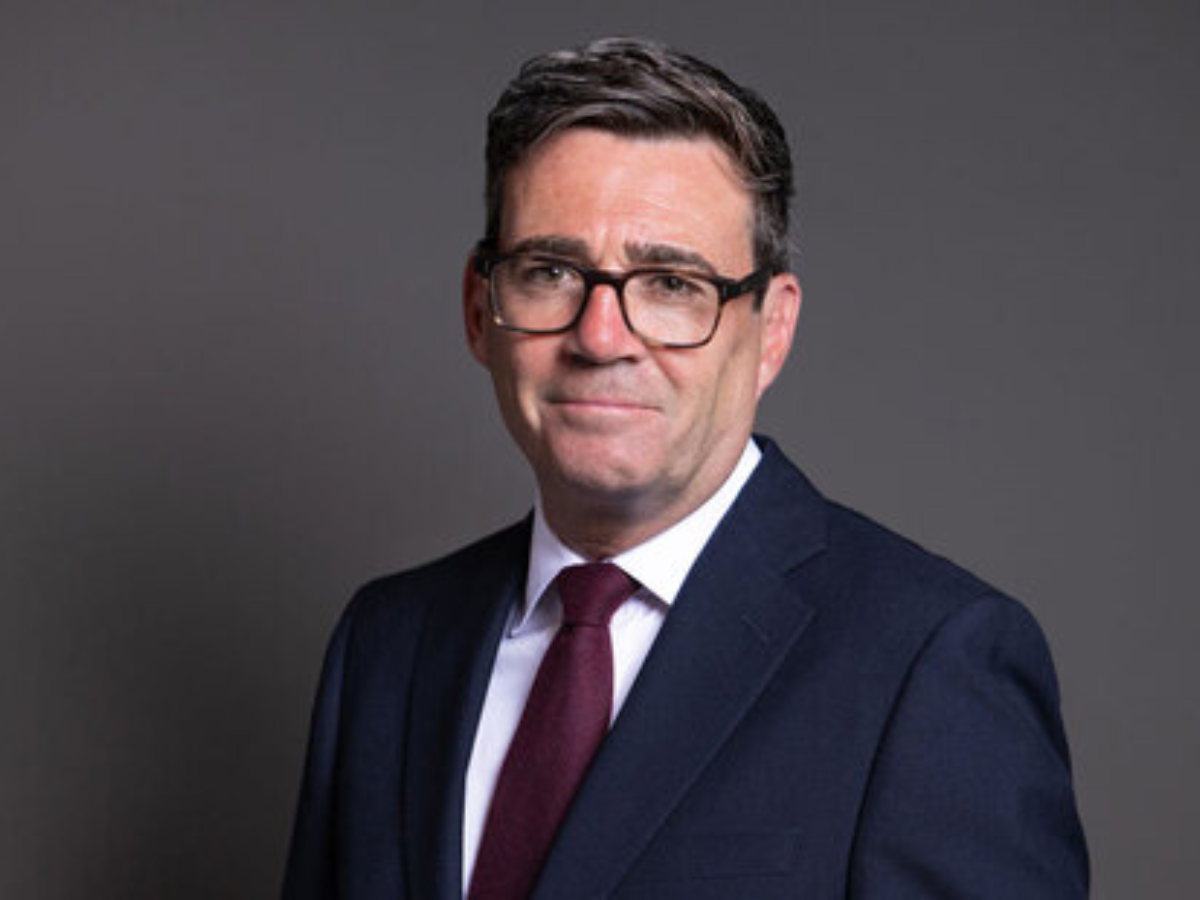
Prime Minister Andy Burnham has announced that artificial intelligence safety will sit at the centre of the UK's presidency of the G20 next year, calling on other nations to work towards common standards for governing the technology.
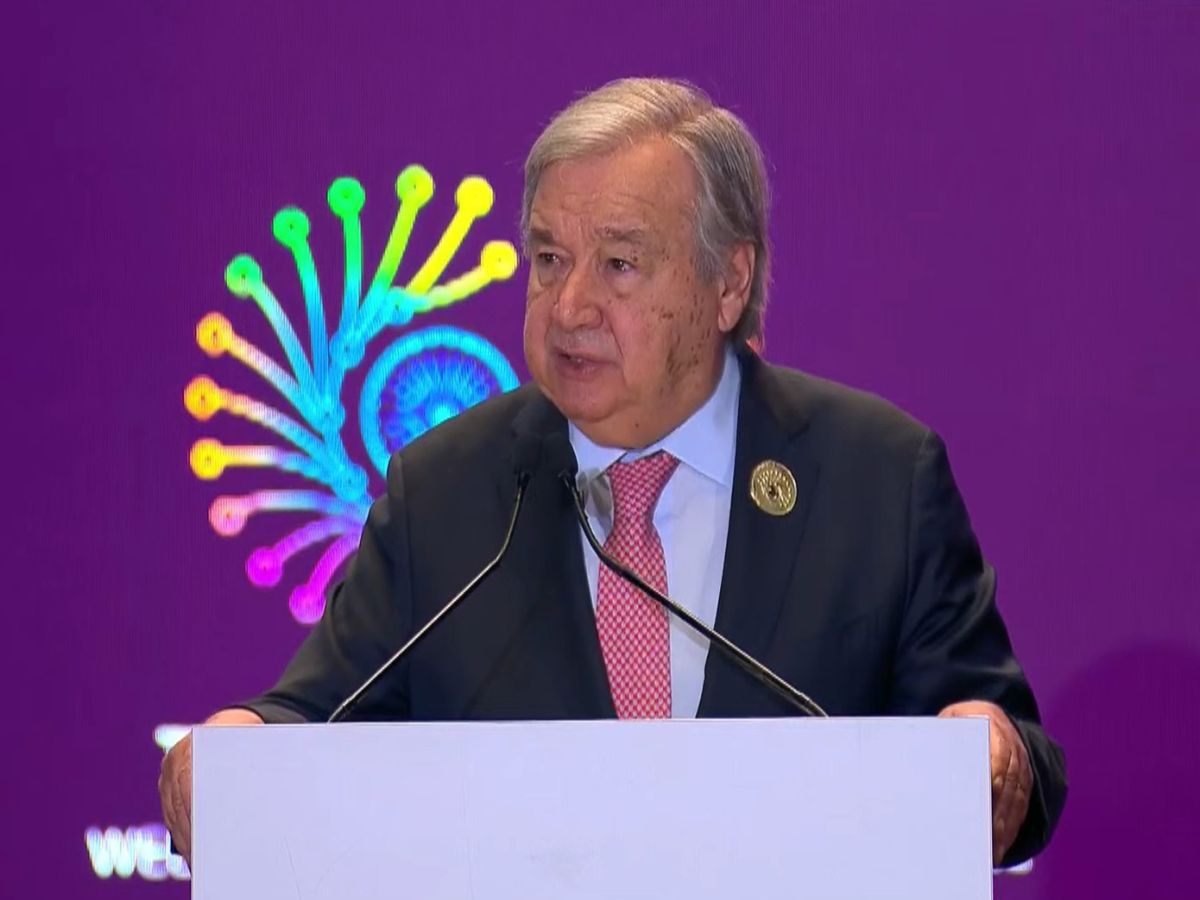
Speaking at the United Nations General Assembly on Tuesday, Burnham said the UK would use its leadership of the G20 to advance discussions on transparency, access and preparedness in relation to AI. He said the aim was to establish shared international principles that would guide the safe development of the technology across borders.
"I can announce today that I am going to put AI at the heart of the UK's G20 presidency next year," Burnham told the assembly.
The announcement comes as governments around the world face mounting pressure to introduce safeguards against increasingly capable AI systems, while also seeking to capture the economic benefits these systems may offer. The UK has sought to position itself as a leading voice in this space, having hosted the first international AI Safety Summit in 2023.
As part of its broader approach to AI oversight, Britain has established the AI Security Institute, a body tasked with examining frontier AI models to assess their capabilities and potential for misuse. However, questions have emerged over how effective the UK's largely cooperative and voluntary approach to AI governance has been in practice. Reports that Anthropic did not provide its most recent model to the institute for assessment have added to concerns that voluntary engagement from AI developers may not be sufficient as these systems continue to grow more powerful.
Alongside his G20 announcement, Burnham confirmed a new AI focused defence partnership between the UK and the United States, aimed at strengthening the protection of critical infrastructure. The initiative is intended to bring together British and American expertise in AI and autonomous systems, with potential applications spanning infrastructure protection and improved security across both airspace and maritime routes.
Burnham described the partnership as part of a wider effort to make use of AI's capabilities while reducing the risks the technology could pose to national security. The UK and US already cooperate closely across defence, technology and other areas of foreign policy, and this new arrangement places AI and autonomous systems more explicitly within that existing relationship, reflecting the growing importance of advanced technology to national security considerations on both sides of the Atlantic.
Beyond questions of safety and security, Britain is also looking to AI as a potential source of economic growth following a prolonged period of weak economic performance. The country is considered one of the world's most significant AI markets, ranking behind only the United States and China, although the extent to which the technology will translate into broader economic benefit remains an open and evolving question.
The UK's G20 presidency is set to begin in 2027, with the summit itself scheduled to take place in Manchester that November. Burnham, who previously served as mayor of Greater Manchester, is expected to take a prominent role in the preparations leading up to the event, lending a personal dimension to the choice of host city.
Burnham's dual announcements, on both global AI governance and bilateral defence cooperation, reflect an attempt to position Britain at the intersection of AI safety and AI opportunity, a balance that governments worldwide are still working to strike as the technology continues to advance at pace.