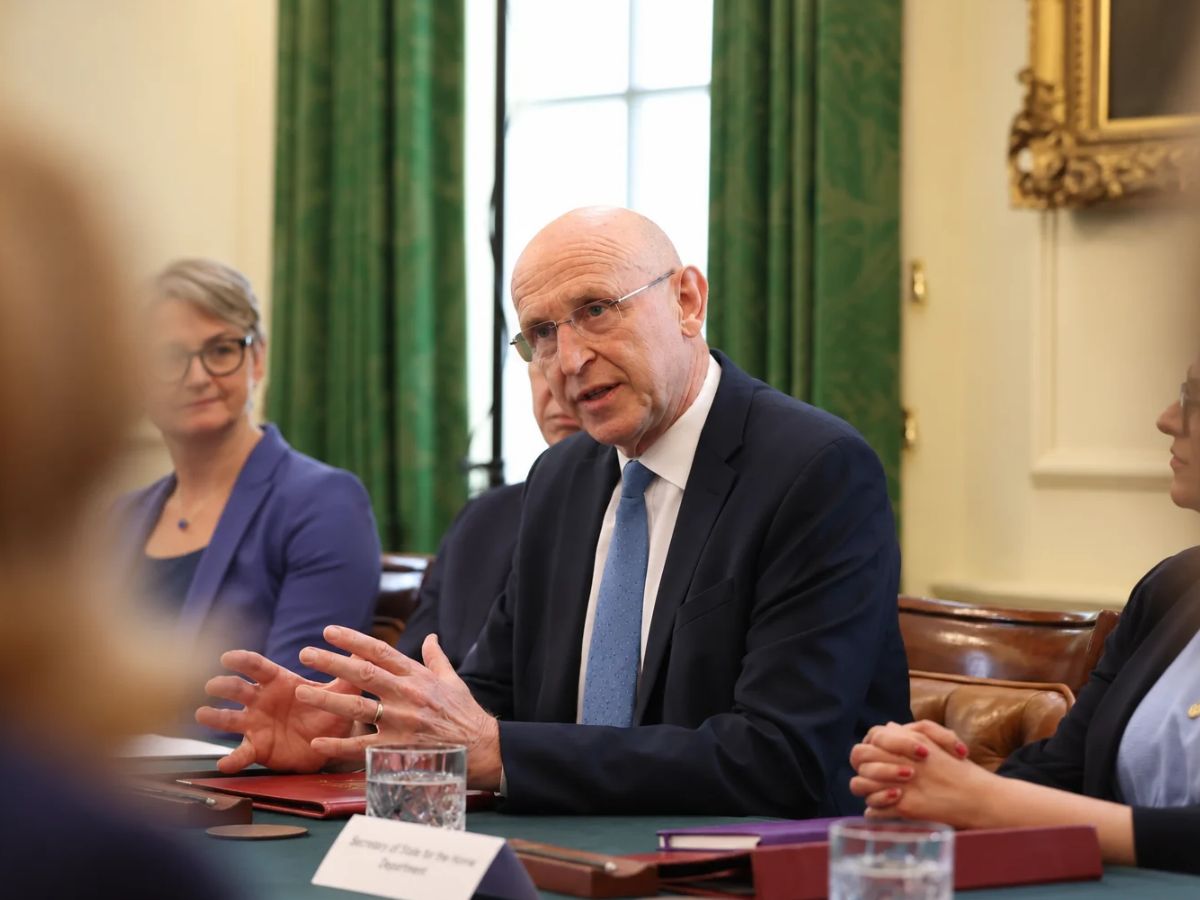
Jonathan Reynolds, Secretary of State for Business and Trade of the United Kingdom and Piyush Goyal, Minister of Commerce and Industry of India
On a Sunday evening in a large acute trust, someone in the medical staffing office is working through a rota with gaps in it. Many of the doctors and nurses filling these roles, whether in substantive or locum positions, trained in India. A few floors away, a pharmacy buyer is ringing wholesalers about a generic antibiotic that has gone short again, and the likeliest source of the shortage is a manufacturing site in India. Neither issue features in the speeches that accompany trade agreements.
This week in The Hague, Piyush Goyal told reporters that India's agreements with the EU, the EFTA states and the UK would draw investment, create jobs and deepen technological collaboration. He pointed to labour-intensive industry, services, education and technology. The UK agreement came into force on 15 July, alongside a convention exempting temporary Indian workers and their employers from paying social security contributions in both countries. The UK government estimates that the deal will boost GDP by £4.8 billion annually in the long term.Health is absent from the headline ambitions, which is why the NHS connection deserves scrutiny rather than assumption.
Start with workforce. The social security convention facilitates intra-company transfers, benefiting Indian IT services firms deploying staff to the UK. Some of these companies also hold NHS digital contracts. It does little for a nurse in Kerala weighing a move to a district general hospital. The deal does not remove the NHS surcharge, and settlement rules remain a matter for the Home Office. Domestic policy has moved in the opposite direction to the trade rhetoric. Overseas recruitment of care workers has been closed, and ministers have said they want the NHS to depend less on international staff. Trust leaders building rotas for 2027 should assume that immigration policy, and not trade policy, sets the terms.
That position carries risk. Domestic training capacity has not grown fast enough to replace international recruits in the near term, and resident doctors remain in dispute over pay and training places. A health service under pressure to reduce waiting lists while becoming less reliant on overseas staff now faces two competing priorities. The trade agreement offers an opportunity to strengthen bilateral ties and open dialogue on mutual recognition of professional qualifications. It supplies no clinicians.
Medicines present a similar picture. India is a major supplier of the generic medicines that help keep NHS prescribing costs down. However, most of these products already enter the UK at low or zero tariffs, meaning further tariff cuts are unlikely to reduce the prices paid by the health service. The vulnerability lies in concentration and thin margins. When a manufacturer withdraws a low-cost medicine, there is often no alternative supplier ready to fill the gap. The agreement does little to address this vulnerability, and the Department of Health and Social Care has yet to explain how it will use the strengthened UK-India relationship to improve supply chain resilience.
Industry has more to gain. For the first time, India has included a government procurement chapter in a trade agreement, potentially opening up public-sector purchasing opportunities for UK medical technology and pharmaceutical suppliers as the country expands healthcare coverage. The digital trade provisions may also benefit suppliers operating delivery centres in India. However, NHS organisations remain responsible for data protection under UK law and must ensure suppliers meet the standards set out in the Data Security and Protection Toolkit, regardless of what the agreement permits on cross-border data flows. Boards that sign NHS technology contracts with offshore delivery should check how patient data will be handled before the commercial opportunity is pursued.
The agreement’s implications for the NHS are real, but indirect. It creates opportunities that the health service can only realise if several government departments work together, an area where Whitehall’s record on workforce and supply chain coordination has been mixed. Ministers presenting the deal as a boost to British services must set out how they intend to support the NHS’s reliance on Indian-trained staff and medicines sourced from India. Ultimately, the hospital rota and the pharmacy shelf will reveal whether that plan exists.