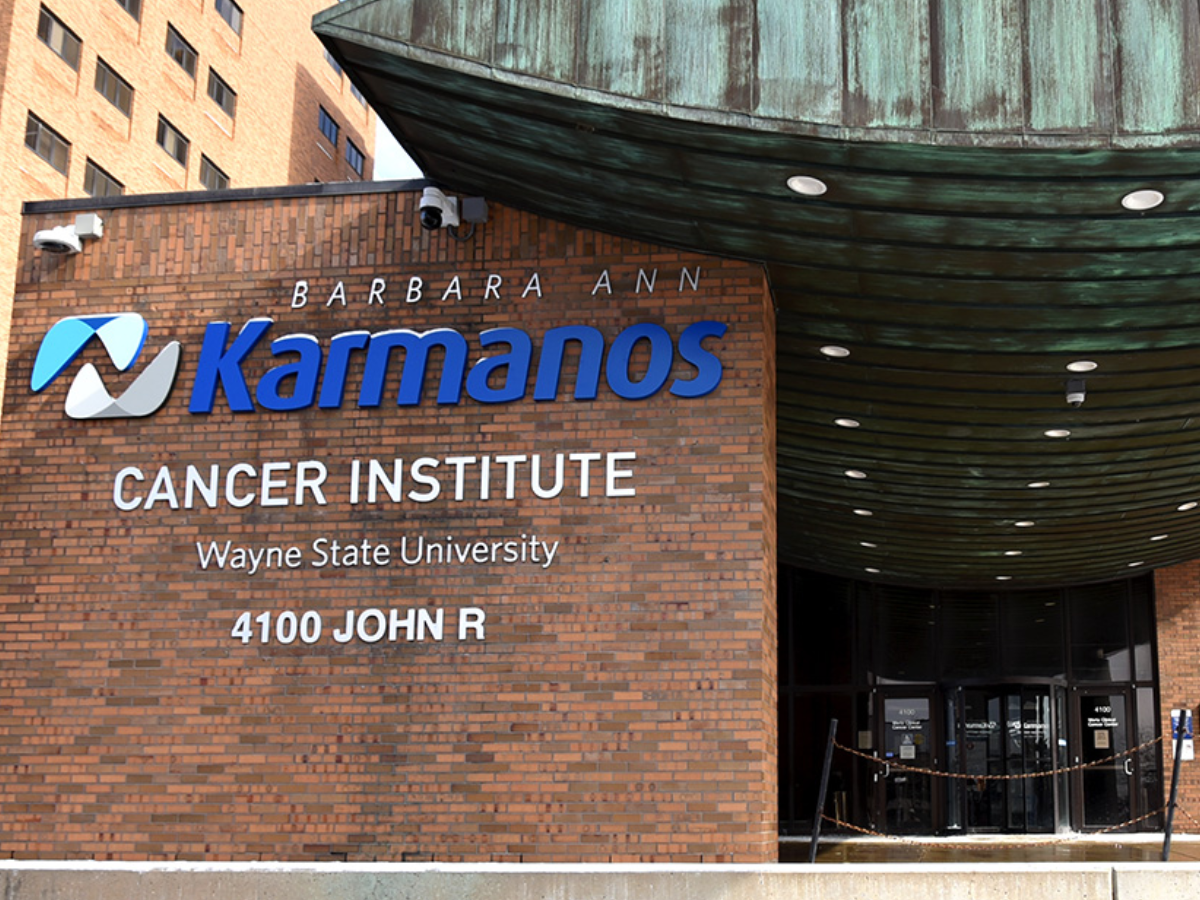
Karmanos Cancer Hospital in Detroit has spent two decades leasing space on the campus of the Detroit Medical Center, buying in the laboratory work, operating theatre access, IT systems and scheduling that keep a cancer hospital running. This month it sued its landlord. The claim is straightforward and uncomfortable: Tenet Healthcare, DMC's for-profit parent, has pushed the annual bill for these services from around twenty eight million dollars to eighty two million, while allocating three quarters of shared operating theatre costs to a hospital that accounts for under a third of the theatre time. Karmanos says its own repeated requests for an explanation have gone unanswered. DMC says it has been absorbing losses to protect a partner that should be paying market rates. Somewhere in that gap sits a cancer hospital that cannot simply walk away, because the infrastructure it depends on belongs to somebody else.
It would be easy to read this as a parochial American story about a contract gone wrong. It is not. It describes a structural condition that NHS trusts are stepping into with increasing confidence, mostly without much scrutiny of what happens when the commercial terms turn.
For-profit operators already sit inside some of the most prestigious NHS cancer services. HCA Healthcare runs private oncology units embedded within the Christie in Manchester, University College London Hospitals and Guy's and St Thomas', arrangements that bring trusts rental income or a share of the profits generated on their own estate. The logic now runs in both directions. University Hospitals Dorset has gone to the market this year seeking a private oncology provider to occupy an empty linac bunker at Poole, alongside land for a dedicated private unit, in a deal estimated at sixteen million pounds before VAT. Other trusts have been offering out radiotherapy treatment rooms to external providers in arrangements worth tens of millions. Each of these deals is presented, reasonably enough, as a way to sweat under-used capital assets and bring in revenue that stretched trust finances badly need.
What the Detroit case shows is what these relationships look like once they stop being convenient. Karmanos is not accusing DMC of clinical failure. It is accusing its host of using control over shared infrastructure as commercial leverage, of moving costs onto a captive partner and of ignoring governance mechanisms, including a mediation clause both sides had agreed to use before litigation. A specialist cancer provider, however clinically excellent, is only as independent as the terms under which it accesses somebody else's theatres and laboratories. That is a fair description of the position many NHS oncology services are being placed in, whether as host or as tenant, as these hybrid arrangements multiply across an estate that was never designed with this kind of counterparty risk in mind.
None of this means NHS trusts should avoid such deals. Underused radiotherapy capacity sitting idle while waiting lists grow serves nobody, and the income can genuinely help. But it does mean that boards signing these agreements need to treat them as long-term dependencies rather than one-off capital transactions, with clear, enforceable mechanisms for cost allocation, dispute resolution and exit, agreed before the ribbon is cut rather than negotiated under pressure once a relationship has soured. Karmanos and DMC had a mediation clause and went to court anyway. A contract's existence is not the same as its enforcement.
There is a wider point too, about what happens to clinical accountability when critical infrastructure and clinical delivery sit under separate commercial roofs. Patients using a private oncology unit inside an NHS trust, or an NHS cancer service leaning on a private landlord for its theatres, are unlikely to know or much care where the boundary falls, until something goes wrong and the answer to who is responsible turns out to depend on a lease. Detroit's dispute has not yet touched a single patient. It has, however, made visible the seam running through an arrangement that looked, until now, like simple good sense. NHS boards signing similar deals would do well to look at where that seam runs through their own estate before it is tested in the same way.



.jpg)