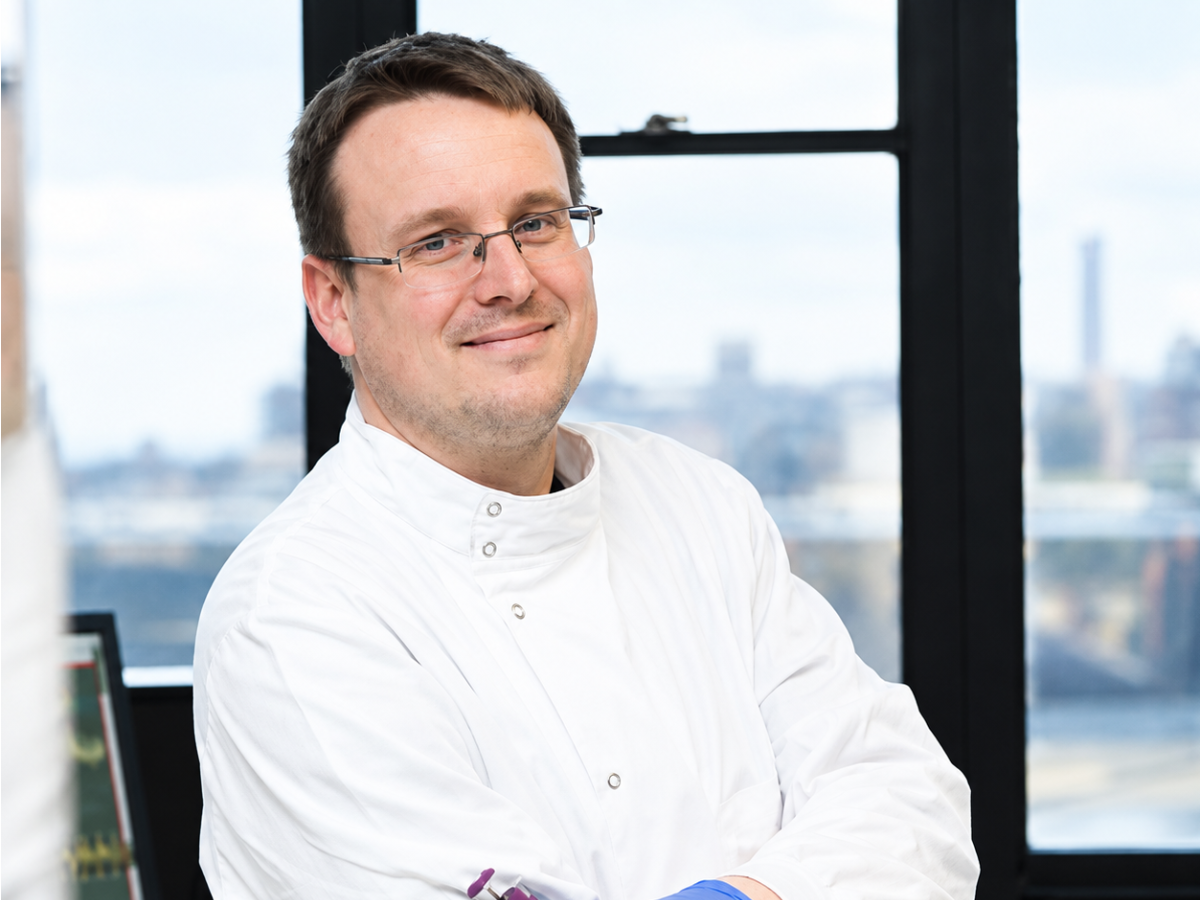
An ultra-rapid method of genetically diagnosing brain tumours, developed by researchers at the University of Nottingham and Nottingham University Hospitals Trust, is set to benefit patients for the first time through a rollout at a number of NHS sites across the UK. The pioneering approach can cut the time it takes to classify tumours from 26 days to as little as two hours.
The technology is being piloted as part of a two-year programme funded by the NHS Genomics Unit. The £2.1 million initiative, named Equitable Access to Rapid Genomic Diagnosis in Brain Tumours: A National Genomic Network of Excellence, aims to make cutting-edge genomic diagnosis more accessible for patients. It brings together leading genomic medicine services, universities and NHS organisations from across England to explore how the technology can be embedded into routine clinical care.
The University of Nottingham and Nottingham University Hospitals NHS Trust will provide scientific leadership for the network, building on research published in the journal Neuro-Oncology last year.
Brain tumours affect more than 12,000 people in the UK each year. Determining the exact type of tumour requires complex genetic testing, which is often sent to specialist laboratories and can take several weeks to complete. These delays can leave patients and their families facing an anxious wait for answers, and may postpone important treatment decisions at a critical stage of care.
The Nottingham-developed technology addresses this challenge by dramatically accelerating the testing process. Professor Matt Loose, from the University of Nottingham's School of Life Sciences and scientific lead for the project, developed a method that uses Oxford Nanopore sequencing technology to rapidly target and analyse specific regions of DNA. Combined with ROBIN, a software platform enabling comprehensive tumour classification, the approach provides clinicians with vital genetic information far more quickly than current methods allow.
Professor Loose said the new method allows researchers to focus on the specific regions of DNA needed to answer important clinical questions, such as what type of tumour a patient has and how it might be treated. He said that by rapidly analysing the most relevant genetic information, comprehensive tumour classifications could be generated in a fraction of the time currently required. He added that the goal of the new network was to ensure this scientific research could be translated into clinical practice, describing the team's excitement at the prospect of the rollout.
In the first instance, the technology will be available through a network of NHS centres across England, including the Queen's Medical Centre in Nottingham, helping to ensure more patients can benefit from faster, more precise diagnoses.
Stuart Smith, Consultant Neurosurgeon at Nottingham University Hospitals NHS Trust and Clinical Associate Professor at the University of Nottingham, said he was proud to have been part of the team behind the rapid genomic testing, which he said would save valuable waiting time for patients who may feel they do not have time on their side. He described the ability to access detailed information about a tumour at the point when decisions are being made in the operating theatre as game changing, noting that in some cases this could help surgeons judge how far they can safely proceed while protecting healthy brain tissue. He said the development offered a glimpse of how brain tumour surgery could change in future, with genomic information available during the operation itself to support more informed decisions for each patient.
The pilot programme will evaluate how successfully the test can be delivered in routine NHS settings, with the long-term ambition of expanding it to neuropathology centres across England. If successful, the innovation could improve care for thousands of brain tumour patients each year by reducing waiting times for diagnosis and enabling earlier treatment decisions.
The project is being delivered through the Central and South Genomic Medicine Service, hosted by Birmingham Women's and Children's NHS Foundation Trust, and the East Genomic Medicine Service, hosted by Cambridge University Hospitals NHS Foundation Trust. Clinical leadership for the Network of Excellence comes from the University of Birmingham and University Hospitals Birmingham, with scientific leadership from the University of Nottingham and Nottingham University Hospitals Trust. Teams from the South East and North Thames Genomic Medicine Services have also played a significant role in shaping the network.
Testing will be available at King's College Hospital NHS Foundation Trust, Guy's and St Thomas' NHS Foundation Trust, Nottingham University Hospitals NHS Trust, Newcastle upon Tyne Hospitals NHS Foundation Trust, Great Ormond Street Hospital for Children NHS Foundation Trust and University Hospitals Birmingham NHS Trust.



.jpg)