
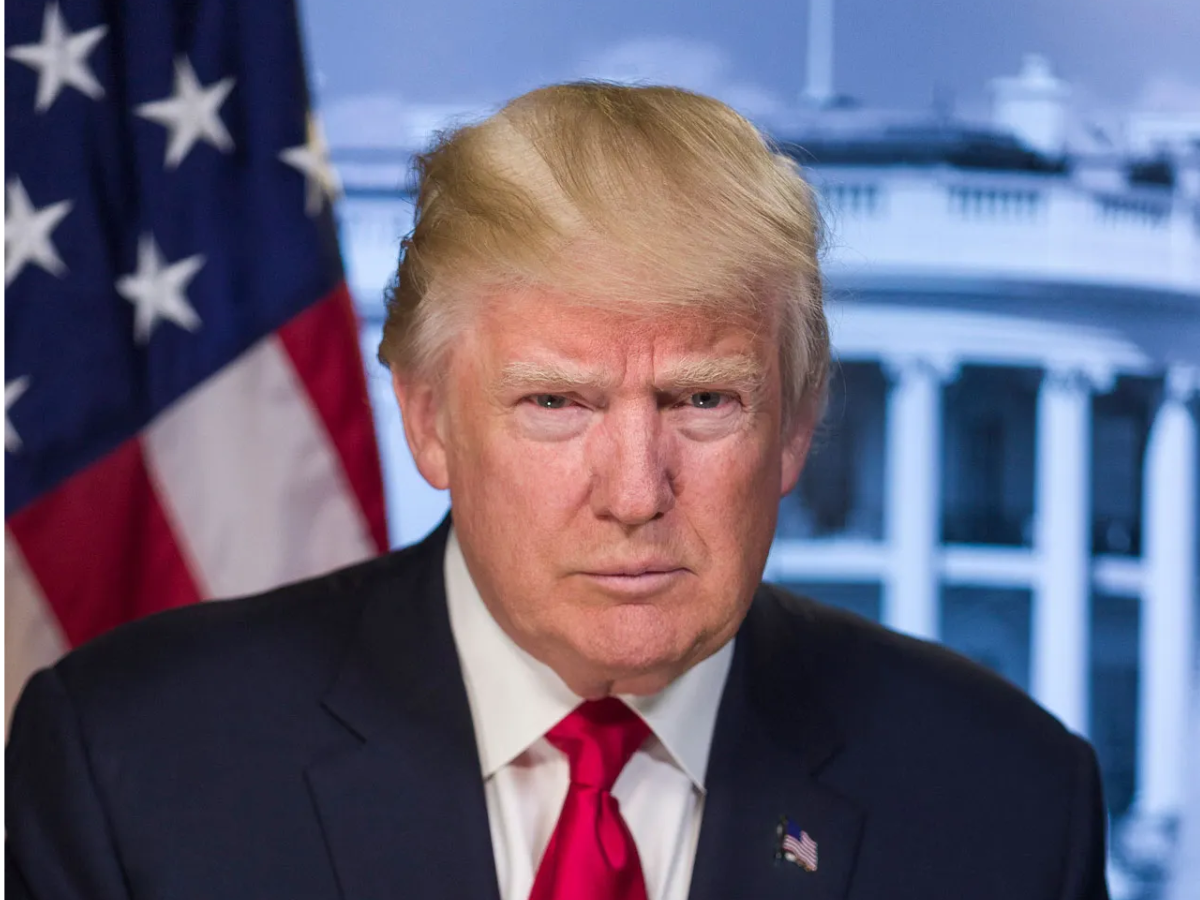
The United States' pursuit of energy dominance is facing new challenges as global energy markets shift and China's influence continues to grow. James Danly, the US deputy energy secretary, recently outlined the administration's energy policy, emphasising the goal of expanding oil and gas exports and using America's energy production to strengthen its position in global markets. This strategy, described as "energy dominance", has been characterised by Eurasia Group analyst Henning Gloystein as having three main objectives: gaining market share, embedding US oil and gas into global supply chains, and strengthening allies while weakening adversaries.
Earlier this year, the US appeared to be gaining greater leverage in global energy markets following its actions involving Venezuela and Iran. However, these developments have also increased uncertainty across global energy markets and encouraged countries to reassess their exposure to geopolitical and supply-chain risks. Energy analyst Dan Yergin has said that global energy flows are likely to be reshaped as countries seek to diversify their sources of supply.
Domestic energy pressures are adding another complication. President Donald Trump said on September 22 that he supported the idea of restricting US diesel exports as a way of addressing high domestic fuel prices, while Treasury Secretary Scott Bessent said the administration was examining whether a full or partial restriction would be feasible. However, the following day, a White House official denied reports that the administration was preparing a 90-day diesel-export ban, and Energy Secretary Chris Wright said that no one was considering a blanket ban.
The changing structure of the oil market is also challenging OPEC's influence. The United Arab Emirates announced in April that it would leave OPEC effective May 1, 2026, becoming an independent oil producer outside the organisation. The UAE had been one of OPEC's largest producers and held significant spare production capacity. Its departure reduced OPEC's share of global production and further altered the structure of the wider OPEC+ group.
Iraq has also raised concerns over production quotas, while other non-OPEC producers, including the United States and Brazil, have increased their importance in global oil supply. These developments have made it more difficult for OPEC to exercise the same degree of influence over global oil markets that it historically held.
China, meanwhile, has significant sources of energy-market leverage of its own. As the world's largest oil importer, China's purchasing decisions can materially affect global oil demand and prices. The country has also accumulated a substantial crude-oil stockpile. The US Energy Information Administration estimated China's oil inventories at around 1.4 billion barrels in 2026, providing the country with an additional buffer against major supply disruptions.
China's energy position extends beyond oil. The country has developed major manufacturing and export capacity in electric vehicles, batteries, solar panels, wind equipment and other clean-energy technologies, while also maintaining substantial coal resources. This gives Beijing influence across both conventional and emerging energy markets. The Telegraph article notes that developing economies in Asia, Africa and South America increasingly face choices between US fossil-fuel and nuclear offerings and China's growing clean-technology supply chains.
The US-Iran conflict has further highlighted the importance of China's energy preparations. China's large oil reserves and extensive use of electric vehicles have helped reduce its exposure to short-term oil-supply disruptions. The Associated Press reported that China's strategic stockpile had reached approximately 1.4 billion barrels and that reduced Chinese oil imports following the closure of the Strait of Hormuz helped limit some of the upward pressure on global oil prices.
This has led some analysts to describe China as a "demand-side OPEC", reflecting its ability to influence oil markets through the scale and timing of its consumption rather than through control of oil production. This is an analyst's description rather than an official designation.
At the same time, OPEC remains an important participant in the global oil market. Despite the UAE's departure, OPEC and the broader OPEC+ framework continue to coordinate production policies and influence market expectations. OPEC itself continues to describe China as an important contributor to global oil demand and maintains an active energy dialogue with Beijing.
The longer-term outlook presents a more complex challenge for traditional oil producers. If global oil demand weakens while production capacity remains high, prices could come under downward pressure, potentially favouring producers with lower production costs. Analysts cited by the Telegraph expect weaker demand and increased supply to place pressure on higher-cost producers. However, the precise trajectory of oil demand and prices remains uncertain.
Much of this competition will depend on how developing economies in regions such as Southeast Asia, Africa and South America meet their growing energy needs. The US is seeking to expand its energy relationships in these markets, including through oil, gas and nuclear power, while China has built a strong position in affordable clean-energy technologies. Danly said the US remains engaged with countries around the world on energy trade and production, while analysts point to China's strong position in clean-tech supply chains.
The resulting competition is therefore not simply a contest between American oil and Chinese renewables. Both countries have interests across multiple parts of the energy system. The US remains a major oil and gas producer and exporter, while China combines substantial oil-importing power with large-scale investment and manufacturing capacity in electric vehicles, batteries and renewable-energy technologies.
The Iran conflict and wider geopolitical tensions could accelerate this competition by encouraging countries to reassess both fossil-fuel supply security and their transition to alternative energy sources. For China, disruption to traditional energy supplies may reinforce demand for its clean-energy technologies. For the US, the challenge is to expand its energy exports and international partnerships while responding to changing domestic fuel requirements and a global energy system that is becoming increasingly diversified.
The future balance between US fossil-fuel production, Chinese clean technology, OPEC's remaining influence and the energy choices of developing economies will help determine how global energy markets evolve in the years ahead.



.jpg)