.jpg)
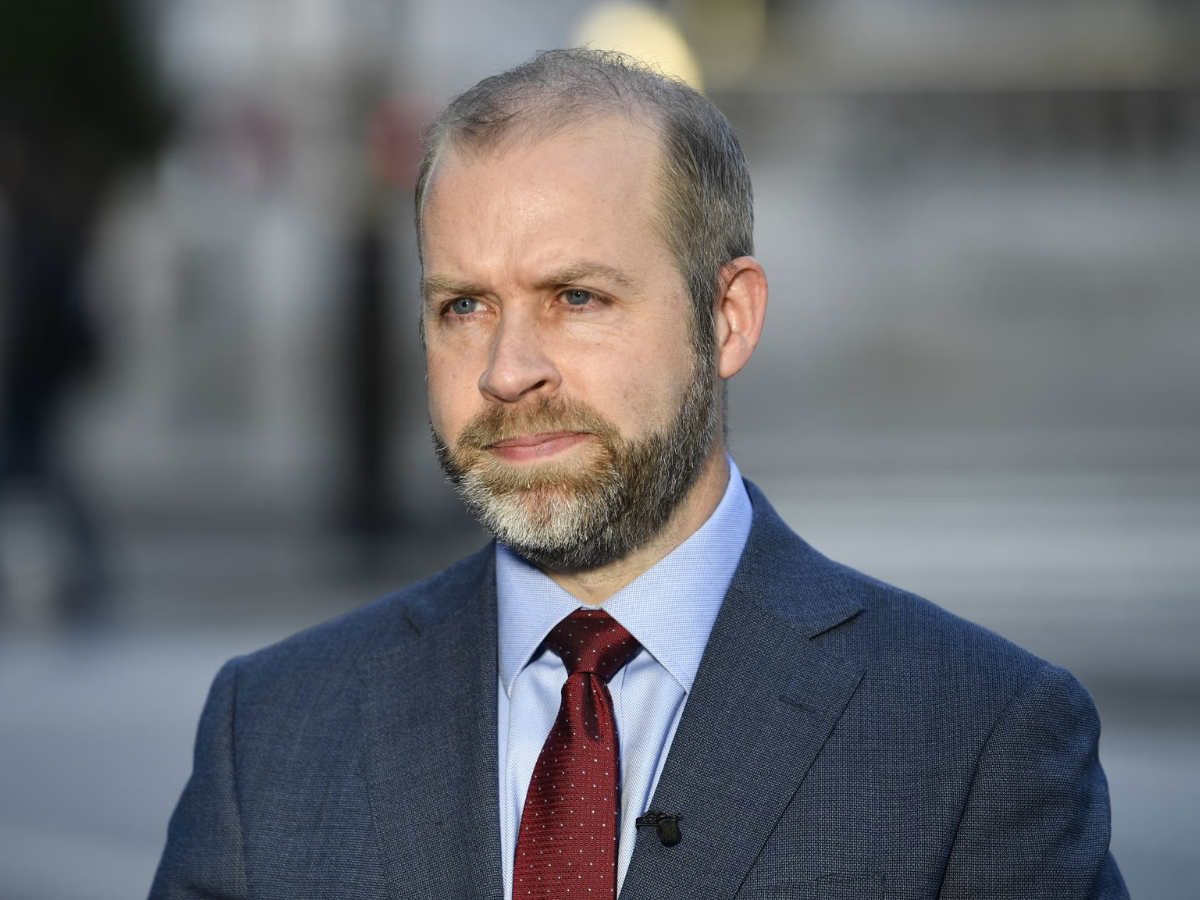
John Healey is expected to contend with challenging fiscal circumstances as he prepares to present his first Budget next month, following a report indicating that the Treasury’s borrowing has exceeded forecasts by £8 billion this year. Official figures disclosed by the Office for National Statistics (ONS) reveal a deficit of £18.3 billion in August, which is £3.5 billion higher than anticipated. To date, Healey has borrowed £77.3 billion this financial year, marking an overshoot of £8.1 billion relative to earlier projections.
Emma Reynolds, the Chief Secretary to the Treasury, acknowledged the difficult decisions ahead in light of these figures. Economists suggest that tax increases are likely to be necessary to address the significant gap between revenues and expenditure. Philip Shaw, an economist with Investec, stated that it appears some tax rises may be unavoidable given the current fiscal situation.
Thomas Pugh, chief economist at RSM UK, also indicated that the considerable increase in borrowing this month has set the stage for a potentially more complex Budget than anticipated when Labour took office. He projected that another wave of tax hikes could be imminent during October. Ruth Gregory, deputy chief UK economist at Capital Economics, further highlighted the need for the Chancellor to raise as much as £14 billion to restore the £24 billion of fiscal headroom initially established by his predecessor.
The latest data indicates that the government's borrowing levels have surpassed the Office for Budget Responsibility (OBR) forecasts, largely due to rising debt interest payments and disappointing tax revenues. Reynolds noted the urgent need to understand funding sources for public services, emphasising their commitment to maintaining fiscal rules with an appropriate buffer for uncertainties.
The economic impact of these developments is already being seen in currency markets. The pound weakened slightly, dropping 0.1 per cent against both the dollar and the euro, as investors expressed concerns regarding the sustainability of Britain's financial situation amid the increasing pressure on public finances. The costs associated with servicing the national debt surged to £8.8 billion in August alone.
Compounding these financial challenges is the continued rise in energy prices, forecasted to increase by a further 25 per cent in January. Pugh warned that without fiscal adjustments, day-to-day spending requirements, including initiatives to alleviate the cost of living and bolster defence, would necessitate higher taxation.
There have been calls for the government to undertake budget cuts, with Robert Jenrick from Reform UK describing the current borrowing figures as a national embarrassment, advocating for urgent measures to reduce the national debt. He identified potential savings across various government sectors.
Meanwhile, some analysts express scepticism regarding the effectiveness of tax increases as a solution to the ongoing fiscal challenges. Dr Valentin Boboc from the Institute of Economic Affairs articulated concerns that simply raising taxes is not a viable path out of the current financial troubles. He highlighted that increasing debt, now approaching £3 trillion, and the rising costs associated with servicing it would not fundamentally resolve the underlying issues related to the UK's finances.
Amidst this backdrop, Chancellor Healey may need to consider spending cuts and fiscal tightening to maintain a manageable margin and adhere to fiscal regulations, with only about £10 billion left in budgetary flexibility. This tightening could limit the government's capacity to implement substantial support measures for the cost of living ahead of the crucial Budget announcement on October 28.


.jpg)