UK Threatens Retaliatory Tariffs Over US Trade Spat
he United Kingdom has issued a strong warning that it could impose retaliatory tariffs if the United States does not honour its commitments under a recent trade agreement. This serious move comes as new US plans for higher global import levies threaten to undermine the preferential terms secured by the UK. A government spokesperson stressed that "nothing is off the table" as high-stakes discussions with US officials continue, highlighting the gravity of the situation for Anglo-American economic relations.
Dispute Stems from New 15 Per Cent Global Tariff
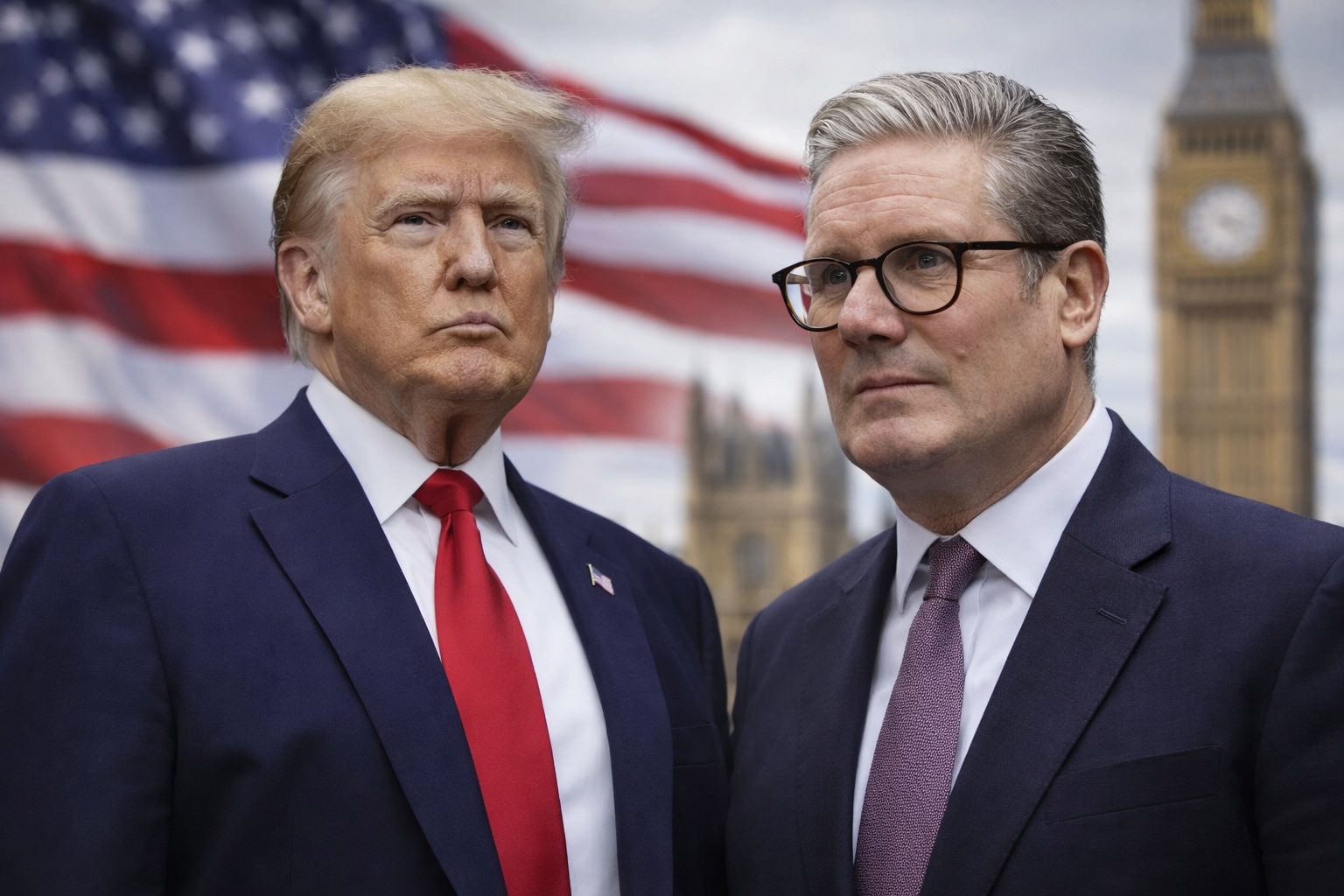
The dispute stems from President Donald Trump’s decision to implement a new 15 per cent global tariff on imports, following a US Supreme Court ruling that invalidated his administration's previous tariff structure. Whilst the US administration has attempted to assure partners that existing bilateral deals will be respected, British ministers remain cautious that the policy shift could negate the benefits intended for UK exporters. The Economic Prosperity Deal, signed in 2025, was a significant post-Brexit success designed to boost commerce and lower tariffs on key British exports. The UK crucially secured a 10 per cent preferential rate under this agreement. However, the new 15 per cent global tariff, introduced under a different legal framework, creates immediate uncertainty. Whilst Downing Street suggests the impact on existing trade flows might be limited, UK businesses are anxious about the broad application of the new US levies.
"Nothing Is Off the Table": UK Prepares Contingency Plans
To defend national economic interests, the UK government has explicitly refused to exclude the use of retaliatory tariffs or other trade measures. The "nothing is off the table" rhetoric signals serious concern, though officials maintain that "constructive engagement" remains the preferred path to avoid a trade war. Business Secretary Peter Kyle has personally raised concerns with Jamieson Greer, the US Trade Representative, highlighting the uncertainty for British firms reliant on the US market. The Prime Minister’s office confirms that contingency plans, including reciprocal levies, are being prepared to protect British competitiveness and jobs, even as diplomacy remains the primary focus.
Exporters Face Increased Costs and Uncertainty
This tariff escalation is poorly timed for UK exporters. Analysts warn that if the 15 per cent tariff is applied universally, the UK could be one of the worst-affected countries, facing significant cost increases that could hurt competitiveness. Industries including automotive manufacturing, Scotch whisky, and chemicals have voiced deep concern, as even minor tariff increases can eliminate slim export margins and disrupt supply chains.
Ambiguity Remains Despite US Reassurances
The US administration, through Jamieson Greer and others, insists that the new global tariff regime, introduced under the 1974 Trade Act, will not automatically override existing bilateral agreements like the one with the UK. Despite these reassurances, ambiguity persists over how the 15 per cent levies will interact with existing sector-specific carve-outs. This ongoing uncertainty is prompting the UK to press for immediate clarity. The dispute underscores deeper structural tensions in UK–US economic relations, as both nations attempt to balance protecting domestic industries with maintaining open transatlantic trade.


.jpg)
.jpg)