A typical day for a hospital doctor rarely begins with a clear view of their patients. It begins with logins. One system for theatre lists. Another for patient records. Another for diagnostics. Information sits in fragments, spread across platforms that do not connect, requiring clinicians to piece together a picture before a single decision is made.
That has long been part of the job. It is also where time is lost.
The debate around the NHS Federated Data Platform has intensified in recent weeks. Questions about ethics, governance and vendor relationships are being raised more prominently, with some clinicians expressing discomfort and calls emerging for its use to be reconsidered.
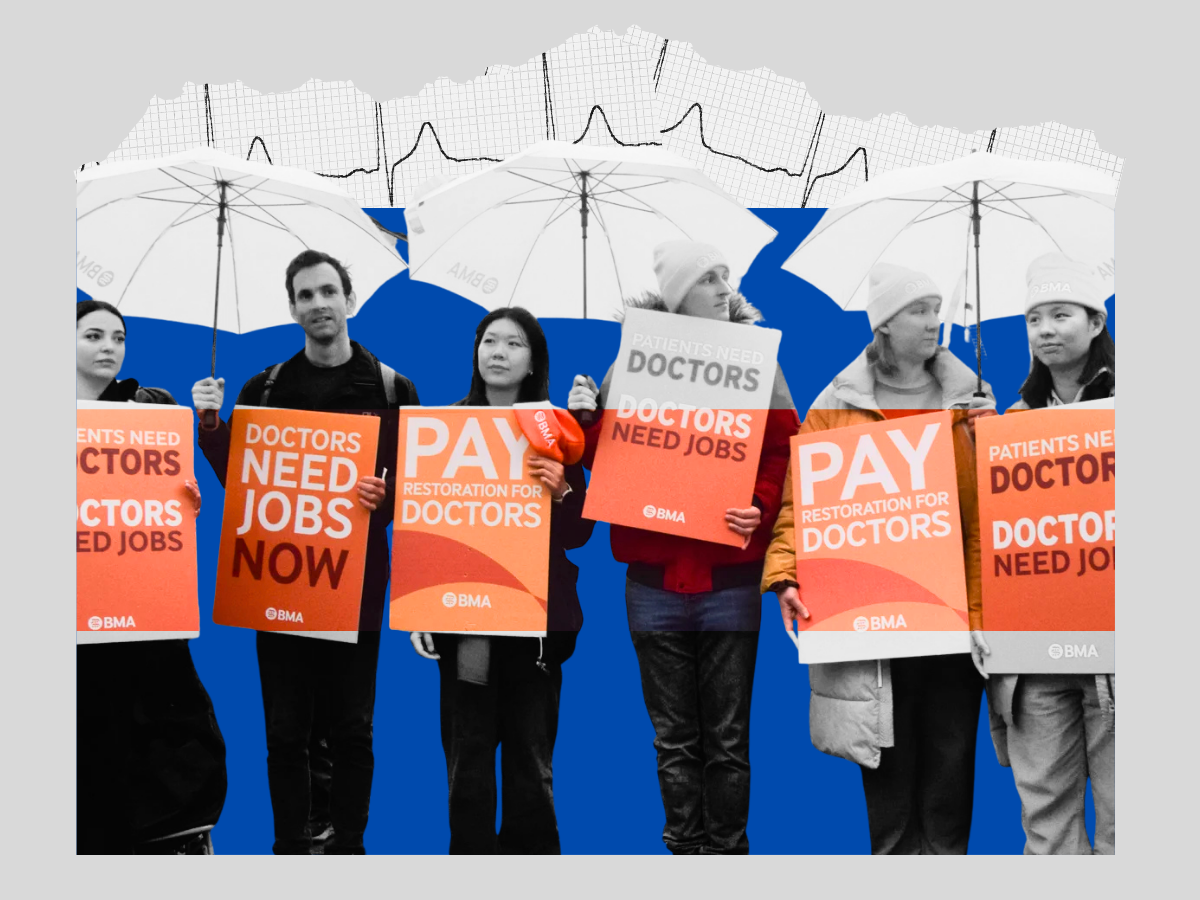
However, inside hospitals, the conversation is shaped less by abstraction and more by experience. For doctors working across high-pressure environments, the focus remains immediate. Patients waiting. Clinics full. Operating lists that need to run on time. Decisions made quickly, often with incomplete information. The past two years have only sharpened that pressure. Industrial action across the medical workforce has exposed how tightly stretched services have become, reducing available clinical time and forcing teams to operate with even less margin for inefficiency. In that environment, minutes matter. Time spent switching between systems, reconciling conflicting records or chasing missing information is not neutral. It comes directly at the expense of patient care. In a service already constrained by workforce shortages and rising demand, even small inefficiencies compound quickly.
Impact Realised on the Front Line
What has started to change in some parts of the NHS is how that time is used.
At Croydon Health Services NHS FT, the impact has been felt directly in clinical workflows. The platform brings together information from multiple systems into a single, coherent view, allowing clinicians to prioritise patients based on urgency and readiness for care. That shift has contributed to a 38 per cent reduction in same-day cancellations, a change that reflects not only better scheduling but clearer alignment between clinical decision-making and operational planning.
For doctors, the change goes beyond scheduling. As Professor Stella Vig, Deputy National Medical Director for Secondary Care and consultant surgeon at Croydon explains, the system has removed the need to “log in and out of numerous hospital systems”, giving clinicians more time to focus on treating patients rather than navigating infrastructure.
That reclaimed time matters. It changes the rhythm of a clinical day. In practical terms, it means fewer disrupted operating lists, fewer last-minute cancellations and more predictable use of theatre time. It allows clinicians to focus on the patients in front of them rather than the systems behind them. It reduces the administrative burden that has quietly expanded over the past decade.
The impact at Croydon extends further. Improved visibility across patient pathways has supported smoother movement from admission through to discharge, reducing bottlenecks that delay care. More consistent use of operating theatres has enabled better throughput without increasing physical capacity. Access to real-time, accurate data has allowed clinicians to make faster decisions with greater confidence, particularly in time-critical environments.
The platform also supports coordination beyond the hospital itself. Through alignment with the wider “One Croydon” model, hospital teams are better connected with community services, helping to reduce avoidable admissions and ensuring patients are treated in the most appropriate setting. These gains are not the result of new infrastructure or additional workforce. They come from using existing information more effectively.
Further Examples Further Afield
That pattern is now visible across multiple trusts. At Chelsea and Westminster Hospital, theatre performance has been analysed across more than 8,600 sessions covering 14 specialties. Where lists were planned in advance, booked utilisation increased by 7 per cent. Where clinicians reviewed and confirmed lists at least two weeks ahead of surgery, day-of-surgery non-attendance fell to zero. For surgical teams, that translates into fewer disruptions, more predictable operating days and better use of clinical time. In North Cumbria, similar approaches have supported a 10 per cent increase in operations while reducing administrative workload. In Sussex, staff managing waiting lists report saving more than 90 hours per week. In Hartlepool, improved discharge coordination has reduced the number of patients staying in hospital for more than three weeks by 36 per cent.
Across these settings, the pattern is consistent. Less time spent navigating systems. More time spent delivering care. This is the context in which the current debate is unfolding.
Concerns about ethics and governance remain part of the conversation. Some clinicians are questioning the wider implications of the systems being used. Others are weighing those concerns against the realities of delivering care within a system under sustained pressure, where workforce shortages and strike-related disruption have already reduced capacity. For doctors, the trade-offs are rarely theoretical. A cancelled operation means a patient returning to a waiting list. A delayed discharge means another patient waiting for a bed. Time spent navigating systems means less time with patients. In a service already operating close to its limits, those losses accumulate quickly.
Better use of data changes how those pressures are managed. It allows clinicians to act earlier, prioritise more effectively and reduce avoidable delay using information that already exists within the system.
The national conversation will continue. It should. But the view from inside hospitals offers a different perspective. For clinicians managing complex care under constant demand, the focus remains practical. What improves flow. What reduces delay. What gives time back to patient care.


.jpg)