The UK Government has established a newly reformed National Cancer Board, which convened for its inaugural meeting recently. This independent board's primary role will be to oversee over 100 commitments from the National Cancer Plan designed to enhance cancer diagnosis, treatment, and long-term care across England.
The board's responsibilities include monitoring progress in areas such as early diagnosis, treatment delivery, and quality of life for cancer patients. It will identify underperforming areas and advise ministers on necessary interventions to address gaps in care. A key aspect of the board's function will be its focus on tackling some of the more challenging aspects of cancer treatment, including rare cancer cases and disparities in access to care, particularly for children and young people.
The launch of the National Cancer Board coincides with recent improvements in cancer care performance. Government reports indicate that all three national cancer standards have seen enhancements compared to the previous year. Approximately 250,000 additional individuals have received timely cancer diagnoses or had cancer ruled out in the year following the general election.
Yvette Cooper, the Secretary of State for Health and Social Care, highlighted the importance of the National Cancer Plan in promoting earlier diagnoses, advanced treatments, and better outcomes for cancer patients. She emphasised the significance of the new board in scrutinising progress, pinpointing critical areas for attention, and amplifying the voices of cancer patients in the decision-making process. Cooper expressed optimism about working with Anita Charlesworth, the board's independent co-chair, and her team to effect meaningful change for patients and their families.
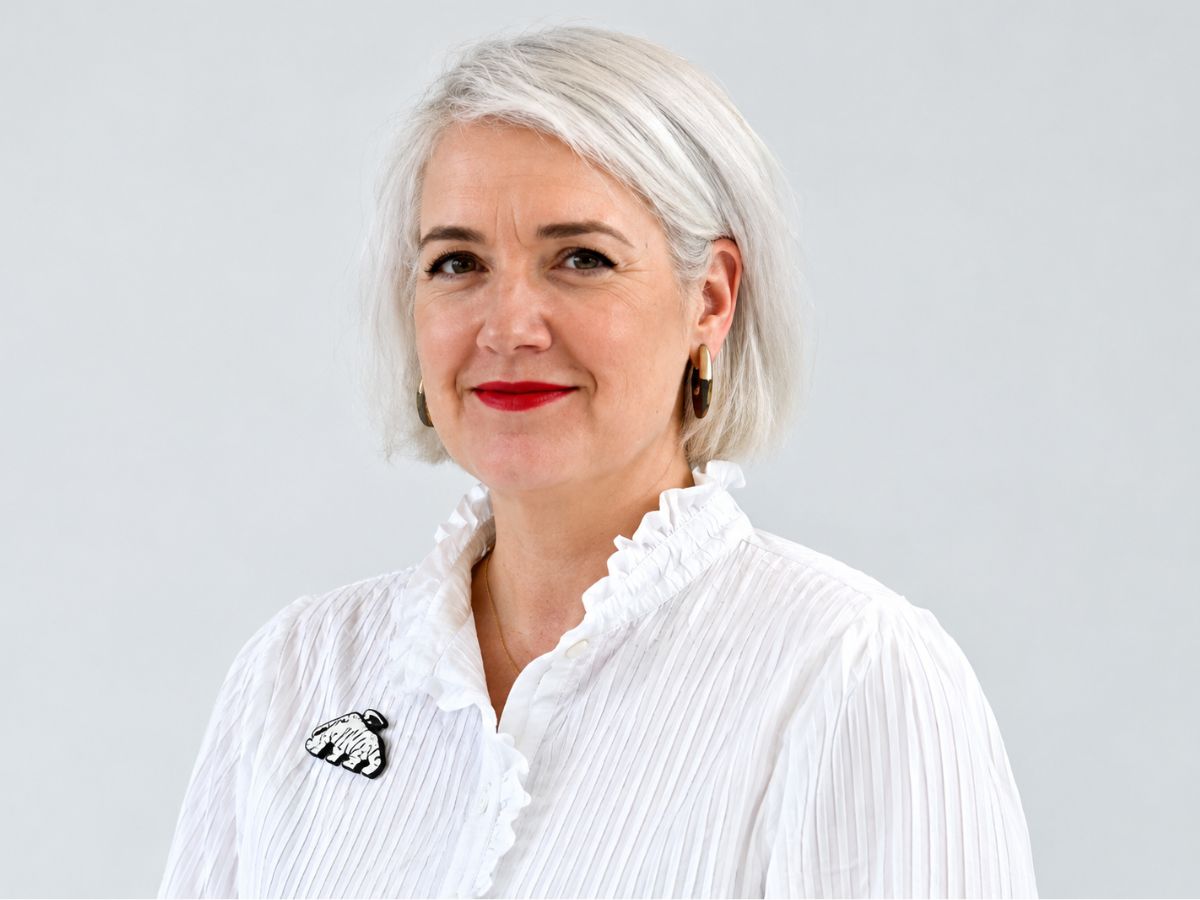
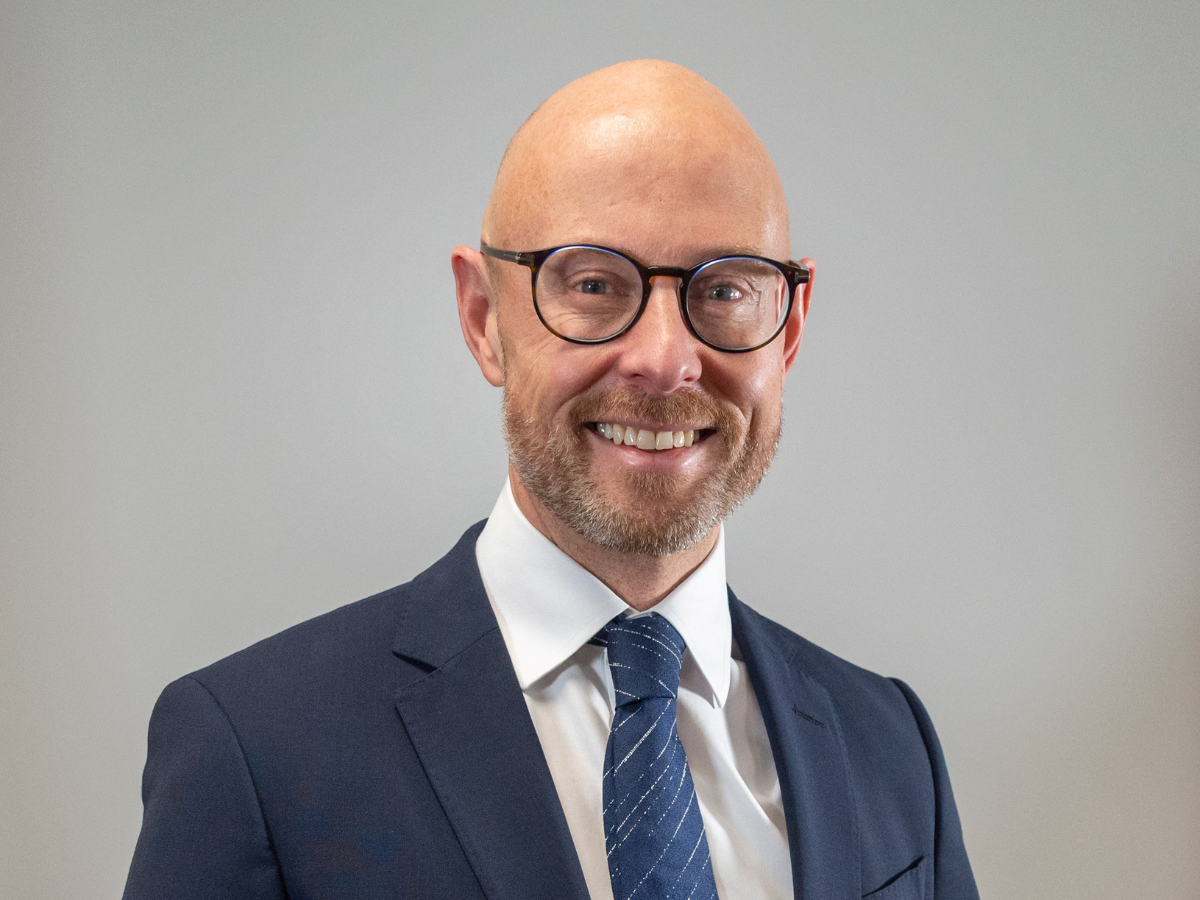
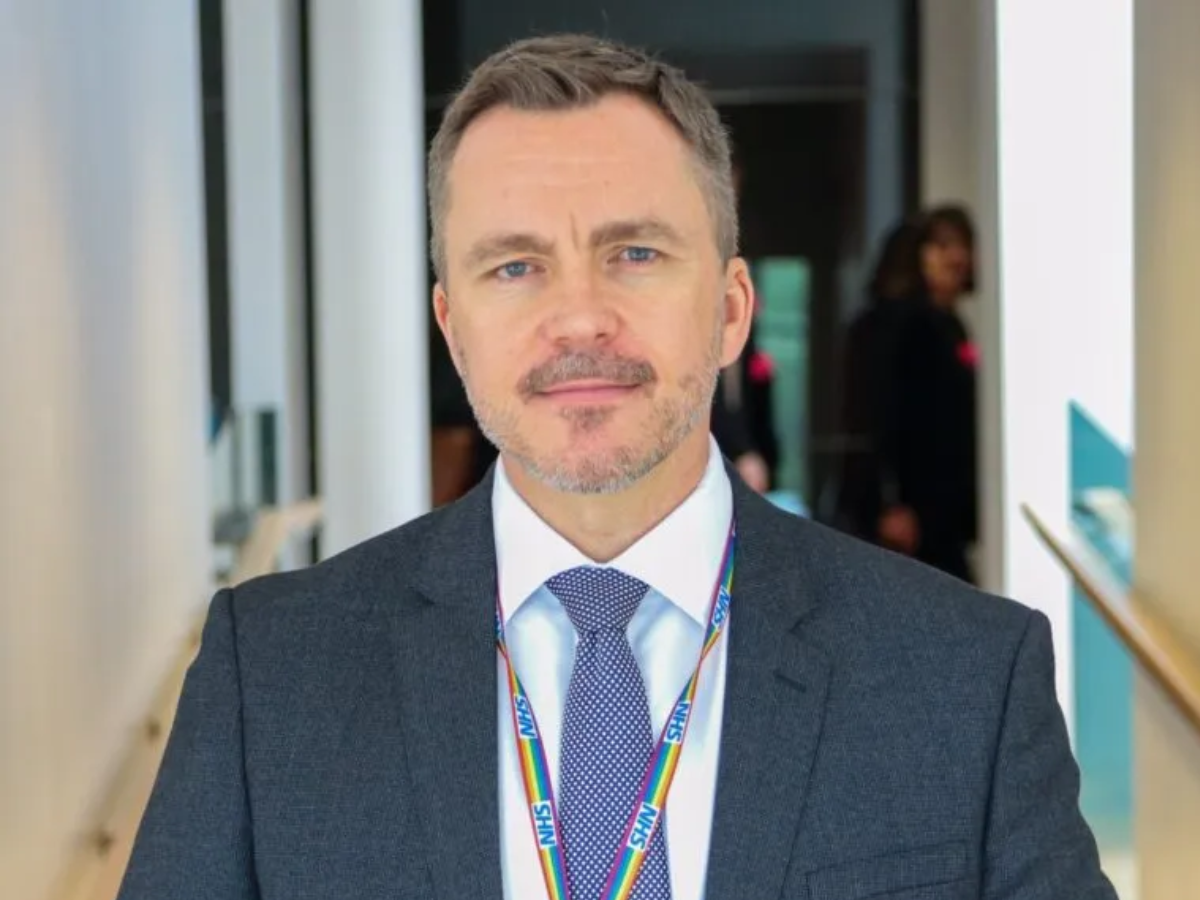
The leadership of the National Cancer Board will comprise co-chair Anita Charlesworth and Mark Cubbon from NHS England and the Department of Health and Social Care. The government hopes this collaborative structure will enhance transparency and assure patients that progress will be rigorously monitored. The leadership team also includes specialists focusing on various facets of cancer care: Dr Rob Metcalf will handle rare cancers, Dr Dianne Addei will address cancer inequalities, and Ashley Ball-Gamble will lead on services for children and young adults with cancer.
The board plans to meet quarterly and publish annual progress assessments, with a comprehensive review scheduled after three years. This future evaluation will offer recommendations on potential revisions to the National Cancer Plan.
The initial National Cancer Plan, published in February 2026, set ambitious goals, aiming for three in four individuals diagnosed with cancer to be cancer-free or living well five years post-diagnosis by 2035. In tandem with these goals, the government is actively implementing several key provisions from the plan, such as expanding lung cancer screening programmes, enhancing capacity through Community Diagnostic Centres, and increasing access to innovative treatments and research opportunities.
Prevention remains a cornerstone of the national strategy, as demonstrated by the recent Tobacco and Vapes Act, aimed at fostering a smoke-free generation in the UK. Additionally, investments in screening initiatives and access to advanced radiotherapy treatments continue to be prioritised.
For NHS leaders and healthcare administrators, the National Cancer Board will become an essential tool in tracking the effectiveness of broad policy commitments and ensuring meaningful improvements in patient outcomes and experiences.