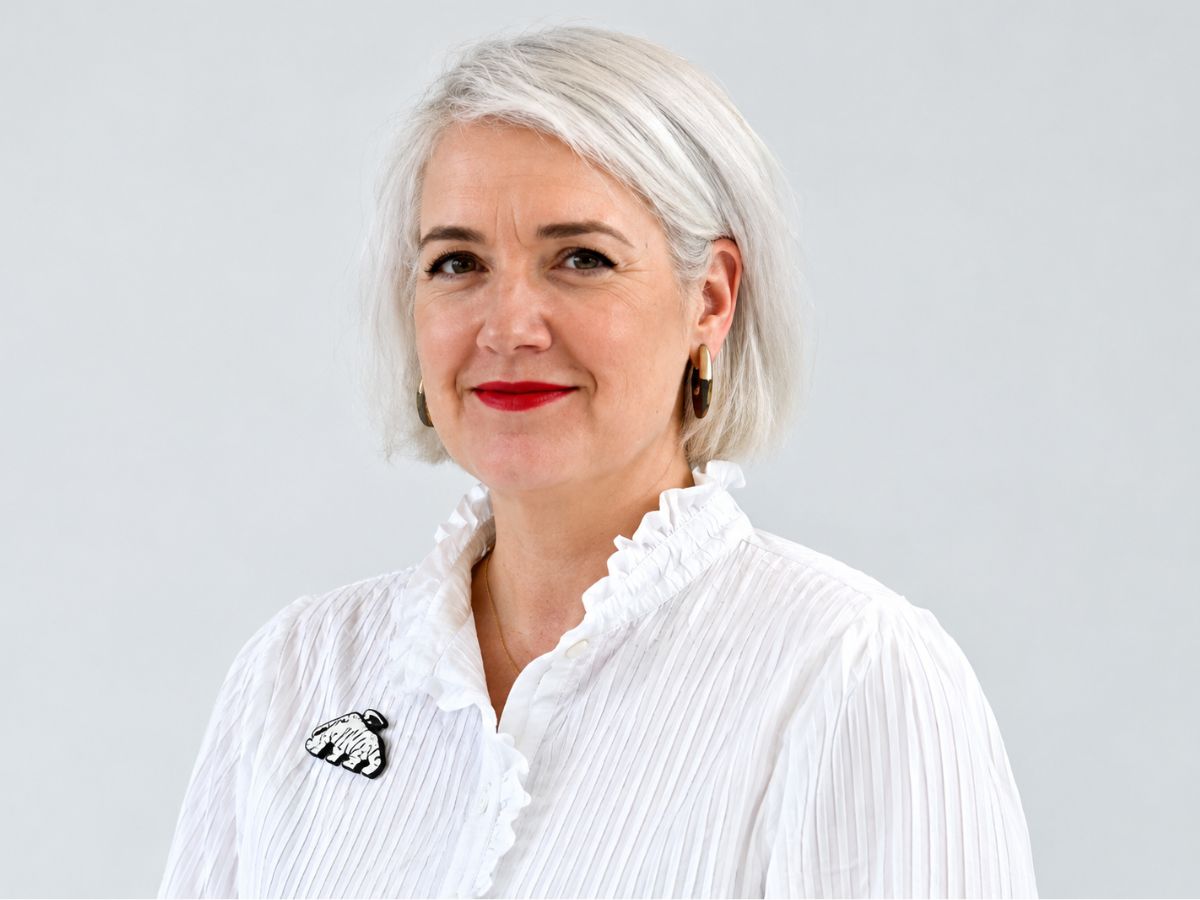
When Charlotte Williams walked into meetings with London hospital directors in the early 2010s, she was proposing something that threatened almost everyone in the room. Certain specialist cancer treatments would move to fewer, larger centres. Diagnosis and follow-up would stay local. The evidence, published by the London region, showed this configuration produced better survival and functional outcomes. The directors facing her ran services that stood to lose status, income and clinical prestige if she succeeded.
She succeeded. As founding executive director of the London Cancer Integrated Cancer System, Williams built a hub-and-spoke network that brought outcomes for some cancers up to European standards, and did so by refusing to let institutional resistance dictate the pace or shape of change. That refusal is the part of her story most relevant to the NHS today, and the part least often replicated by the leaders now attempting similar reconfigurations under far worse conditions.
Williams did not win the argument through positional authority. She won it by pairing rigorous evidence with a design that gave sceptical colleagues a reason to cooperate rather than obstruct. Centralisation applied only to the specialist elements where volume demonstrably improved outcomes. Everything else stayed close to patients. She also understood, and acted on, the fact that centralising too much would itself cause harm, since concentrating diagnosis and rehabilitation in a handful of flagship sites damages equitable access for the majority of patients who live in the areas the flagship sites are meant to serve. That judgement, holding two competing risks in tension rather than defaulting to the simpler story of bigger is better, is precisely the discipline current integrated care boards are struggling to exercise as they push through consolidation of stroke units, maternity services and vascular surgery on tighter timelines and thinner political cover.
Her background matters here. Williams came through the NHS Graduate Management Training Scheme, a programme she describes as placing trainees inside real hospitals from day one, with genuine responsibility rather than academic distance. That scheme, and the years of mentorship, reflective practice and postgraduate study that followed it, produced a leader capable of translating published evidence directly into operational change, something she herself notes is rare. The pipeline that built her has been squeezed by a decade of underinvestment in NHS leadership development, a gap regulators now flag routinely and one visible in the turnover among trust chief executives. A reconfiguration agenda this ambitious needs more leaders with her particular combination of clinical fluency and political nerve. It currently has fewer than it did when she was trained.
Williams also went further than the mortality data required. Her team developed new outcome measures based on what mattered most to patients living with cancer, a decision rooted in the recognition that most people now survive their diagnosis and must live with its consequences for decades. That instinct anticipated, by nearly fifteen years, the NHS's current push toward patient-reported outcome measures as a check on activity-based targets. It also exposes a gap in the present reform effort. Trusts under acute financial strain tend to strip out the analytical capacity that this kind of work requires first, precisely when it is most needed to make consolidation decisions defensible to the public losing local services.
None of this suggests Williams found an easy formula. She was candid that the network's benefits were realised by colleagues who followed her after she had moved on, and that the resistance she faced was not irrational but a genuine defence of institutions doing what institutions do. What she demonstrated was that evidence alone does not move a health system. It takes a leader willing to sit through the resentment, hold the design steady, and wait for results to arrive on someone else's watch. The NHS reform agenda now underway is asking integrated care boards to do exactly this, at greater speed, with less funding and a smaller bench of people trained the way she was. Her career is less a case study than a specification for what the system currently lacks.