Britain is facing the potential loss of 250,000 jobs by mid-2027 as escalating conflict in the Middle East sends energy prices higher and disrupts global trade routes, according to new economic modelling. Analysts warn the UK is edging towards recession, driven by external shocks rather than domestic policy failures.
The immediate trigger is the closure of the Strait of Hormuz, one of the world's most critical shipping corridors, through which approximately 20 per cent of global oil supply passes. Retaliatory action connected to the widening conflict involving the United States, Israel, and Iran has effectively paralysed the route, pushing oil and gas prices sharply upward. Some economists have described the combined impact of energy inflation and maritime trade disruption as potentially the most damaging external shock to the British economy since the Covid-19 pandemic.
The UK entered this period of instability in a fragile state. Growth had begun to stabilise, but the productive base remained sensitive to imported inflation and supply chain pressure. The sudden compounding of both factors has altered the near-term outlook significantly. Independent forecasters now place the probability of two consecutive quarters of economic contraction at levels not seen since 2020.
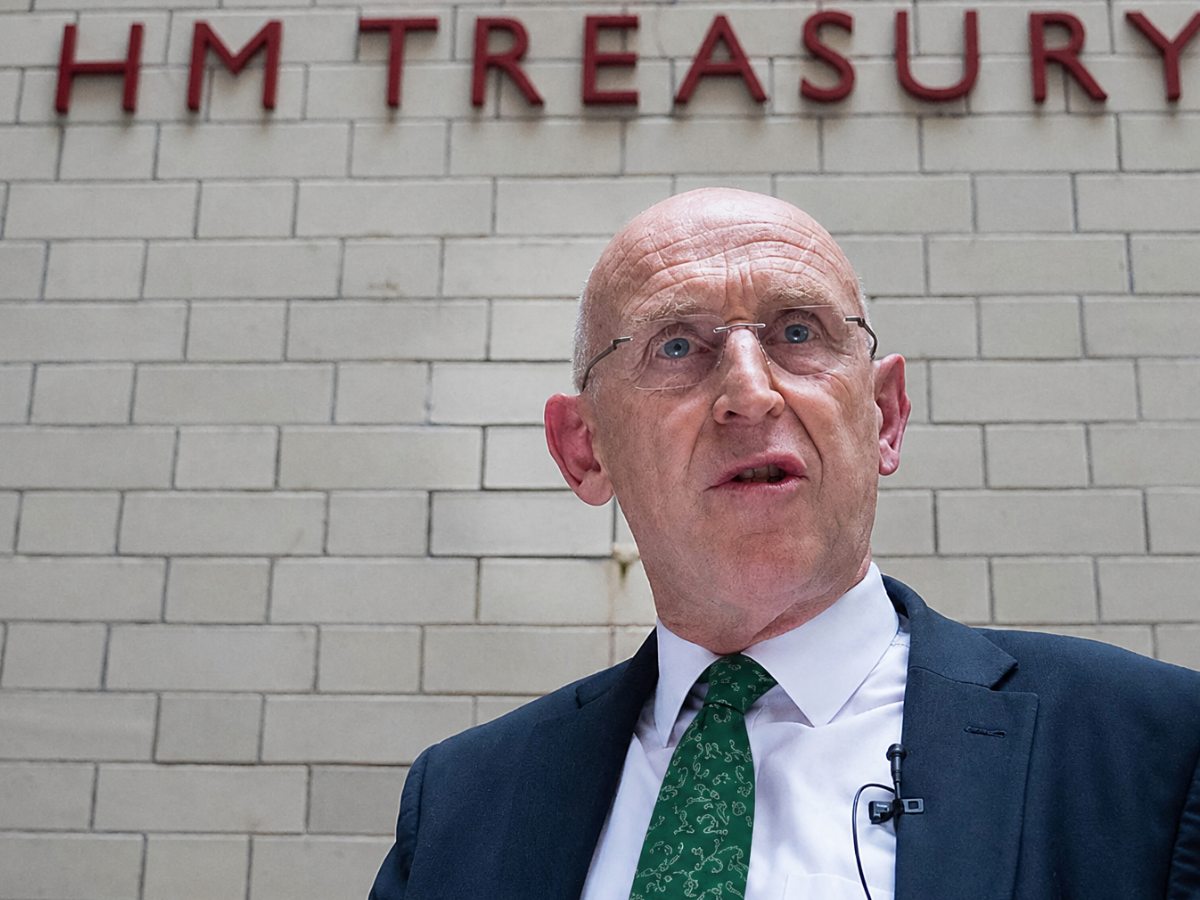
Chancellor Rachel Reeves has convened emergency meetings with senior banking executives as the Treasury moves to limit financial exposure. The discussions have focused on stabilising credit conditions and developing contingency responses to the energy cost surge. Officials are also examining the extent to which existing fiscal headroom can absorb further pressure without triggering a formal spending review ahead of schedule.
The corporate sector is already responding. Finance directors at several of Britain's largest companies have begun cutting capital expenditure and scaling back hiring plans. Survey data from major professional services firms points to a notable deterioration in business confidence over recent weeks, with boardroom sentiment shifting from cautious optimism to defensive repositioning. Investment decisions are being deferred, and recruitment freezes are becoming more widespread across financial services, manufacturing, and logistics.
This contraction in private sector activity is feeding directly into employment projections. The 250,000 figure represents a broad estimate drawn from multiple modelling scenarios, but even the more conservative projections anticipate significant labour market weakness through 2026 and into 2027. Sectors with high exposure to energy costs and imported components face particular risk. Hospitality, retail, and domestic manufacturing are considered most vulnerable in the near term.
The Strait of Hormuz closure also carries implications beyond energy supply. The route is central to the movement of liquefied natural gas from the Gulf states to European markets. A sustained blockade would compound the pressure already placed on European energy infrastructure following earlier disruptions to Russian supply, leaving the UK with limited short-term alternatives to spot market purchases at elevated prices.
Government officials have not yet indicated whether emergency energy intervention measures, similar to those introduced during the 2022 price crisis, are under active preparation. The Treasury has so far kept its public statements cautious, emphasising monitoring and dialogue with financial institutions rather than signalling direct market intervention.
The broader question facing policymakers is one of timing. If the geopolitical situation stabilises in the coming months, the economic damage may prove recoverable within a reasonable period. If the conflict deepens or the Strait remains closed into the third quarter of the year, the combination of sustained energy inflation and weakening business investment could make a technical recession difficult to avoid.
For workers, the concern is more immediate. Hiring freezes translate quickly into reduced opportunities for those entering the labour market or seeking to change roles. If redundancy programmes follow, as some analysts anticipate, the jobs figure of 250,000 could prove conservative rather than alarmist. The next set of labour market statistics will offer the first concrete indication of whether the deterioration is already under way.


.jpg)