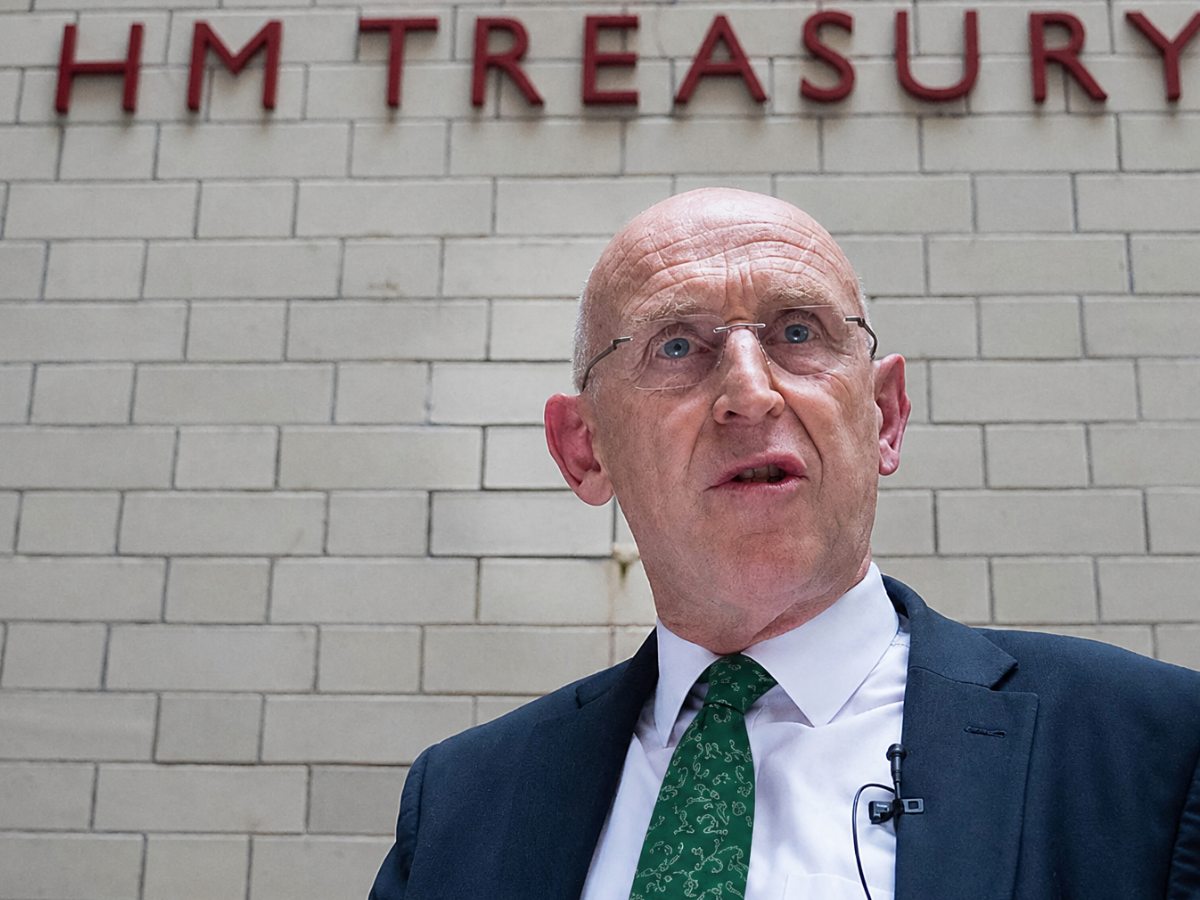
The cost of government borrowing in the United Kingdom has reached its highest point in nearly two decades, driven by a global surge in oil prices and growing investor concern over Britain's debt obligations.
Yields on 10-year government bonds, or gilts, rose above 5.43% on Monday before settling near 5.42%. This exceeds previous multi-decade records set earlier this month and marks the highest rate since 2007. Because gilt yields directly dictate the interest rate the Treasury pays on its debt, the sustained increase threatens to reduce the government's fiscal headroom ahead of the upcoming Budget.
The move in British bonds formed part of a wider sell-off in international debt markets. The yield on the 10-year US Treasury bond climbed above 5.24%, reflecting a broad retreat from government paper as investors reassessed the outlook for prices and interest rates. Bond yields rise when prices fall, so higher yields signal weaker demand for the debt at prevailing levels.
Energy markets supplied the immediate trigger. Brent crude rose 3% to cross $108 per barrel after diplomatic talks between the United States and Iran collapsed over the weekend. The breakdown raised fears of disruption to supply from a region that accounts for a large share of the world's oil, and traders moved quickly to price in the risk.
Higher energy costs feed through to transport and manufacturing, and from there into the prices consumers pay. The renewed threat of persistent inflation, both globally and at home, has led bond investors to demand higher returns for lending to governments. Sustained inflation erodes the real value of fixed interest payments, so lenders seek compensation in advance.
For Britain, the consequences are particularly acute. The national debt stands at nearly £3 trillion, and every rise in yields adds to the cost of servicing it. Gilt yields set the rate at which the Treasury borrows, so a lasting increase translates into larger interest payments each year. Those payments draw on money that would otherwise be available for public services or tax relief.
Fiscal headroom is the self-imposed budgetary buffer that guides spending decisions. It shrinks as borrowing costs climb. With the Budget approaching, ministers face pressure to consider reductions in public expenditure or increases in taxation to restore the margin. Decisions of that kind carry political weight, and the timing of the yield increase leaves little room for delay.
Analysts attribute the premium that investors charge the United Kingdom, relative to international peers, to the sheer volume of national debt and to inflation driven by energy costs. Both factors change slowly. Financial analysts indicate that, short of a significant fall in global energy prices, borrowing costs are likely to remain elevated until fiscal policy addresses the long-term sustainability of the debt.
Other financial markets registered the shift. Precious metals declined, with gold dropping nearly 3%. Gold pays no interest, so its appeal as a safe haven diminishes when government bonds offer higher yields. Investors holding the metal as protection against uncertainty found the alternative of sovereign debt increasingly attractive.
The coming weeks will test the resilience of the gilt market. Developments in the Middle East will shape the path of oil prices, while the Treasury's plans for the Budget will show how the government intends to respond to a bill for servicing its debt that continues to grow. Investors will scrutinise both closely.