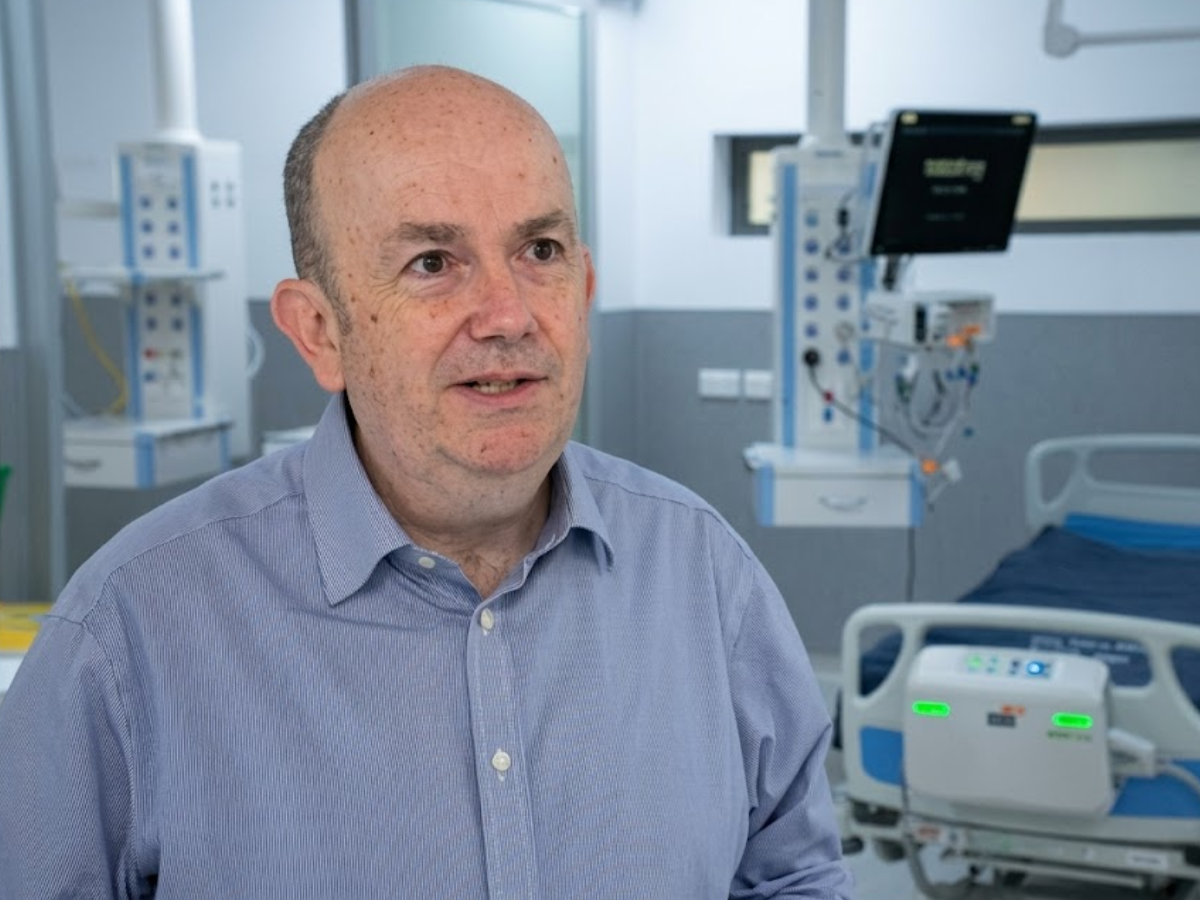
When Simon Weldon wrote to staff at South East Coast Ambulance Service in March, he described something that should never need saying twice in a well-run organisation: that seniority carries no immunity from accountability. Two senior members of staff, both in leadership roles that brought them into direct contact with student paramedics, had been dismissed following a full investigation into sexual misconduct. Weldon called it particularly disappointing precisely because those involved held positions of trust over people whose careers depended on their sign-off.
That detail matters more than it might first appear. Student paramedics on placement occupy an unusual position within the ambulance service. They are assessed, mentored and ultimately certified by the same senior colleagues who control their route into the profession. A crew mentor who declines to authorise a placement, delays a competency sign-off or simply makes a student's working life difficult holds real power over that student's future, and the student typically has no equivalent leverage in return. Secamb's own language, acknowledging an inherent imbalance between senior staff and trainees, is an admission that this dynamic is not incidental to the misconduct it has just addressed but foundational to why it was able to persist.
This is not an isolated organisational failing. Secamb signed the NHS Sexual Safety Charter in late 2023, committing to a zero tolerance approach to unwanted or inappropriate behaviour. A subsequent NHS England education quality review of the trust found that students reported a wide variation in treatment depending on which crew they were assigned to, and recommended clearer safeguarding around how learners were supervised on ambulance and hospital placements. Nationally, the picture is starker still. Health Service Journal reporting has put the number of ambulance staff dismissed for sexual misconduct across England at around sixty in 2024 to 2025 alone, with a further seventy five disciplined short of dismissal. Further along this similar path, inspectors discovered a culture of harassment that was condoned, and thirteen examples were reported to police, forcing East of England Ambulance Service to enter into a legally binding contract with the Equality and Human Rights Commission.
What makes ambulance trusts particularly exposed is the physical and organisational structure of the work itself. Much of it happens inside a vehicle, away from colleagues, over long shifts, with a fixed hierarchy between qualified paramedic and student. The same isolation that makes frontline care demanding also removes the informal checks that exist in a hospital ward or office setting. Safeguarding policies written for institutional settings do not automatically translate to a two person crew on a twelve hour shift, and trusts are only now beginning to design supervision structures that account for this.
For NHS leadership more broadly, the Secamb case lands at an awkward moment. Ambulance services are already under sustained scrutiny over response times, workforce retention and the CQC ratings that have placed several trusts in special measures in recent years. A safeguarding failure of this kind adds reputational and regulatory weight to organisations already stretched thin, and it raises a governance question that extends well beyond one trust. If power imbalance between supervisor and trainee is now understood as a structural risk rather than a matter of individual conduct, then oversight of supervisory relationships needs to sit alongside clinical governance and financial control as a standing board level concern, not a response triggered only after harm has occurred.
Weldon has since left Secamb, departing in April after three years that also included the trust's exit from special measures. Whoever inherits the safeguarding brief inherits an unresolved question. Policies and charters signal intent, but the ambulance sector's record over the past several years suggests that intent alone has not been enough to change what happens in the back of a vehicle, out of sight, between a student and the person who decides whether they qualify.



.jpg)