
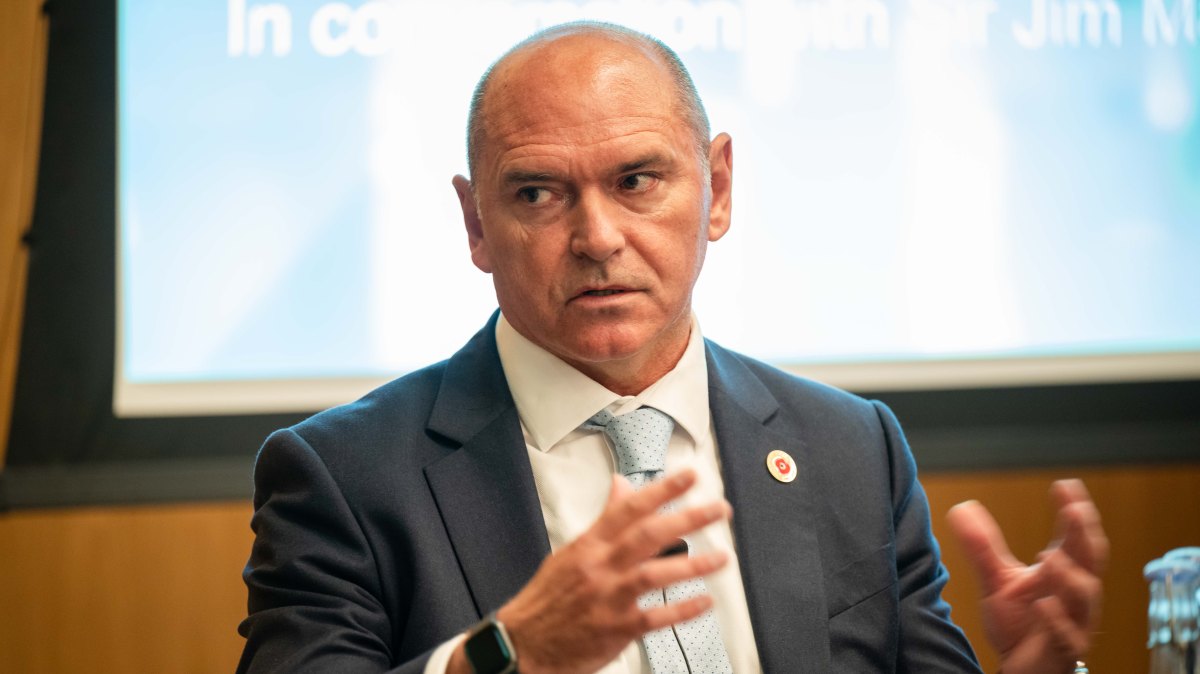
NHS England has instructed hospital trusts to maintain at least 95 per cent of their scheduled elective procedures during the forthcoming five-day strike by resident doctors. The guidance, issued by chief executive Sir Jim Mackey, is intended to minimise disruption to patients and safeguard national recovery targets.
Sir Jim told local leaders that hospitals must continue “business as usual” where possible, despite the industrial action. The expectation, he said, is that most elective work should continue, supported by clear local planning and coordination across clinical teams.
Maintaining Care Under Pressure
The strike will be one of the longest periods of industrial action by hospital doctors in recent years. NHS England has urged trusts to prepare contingency plans to maintain continuity of care, including redeploying senior staff, adjusting rotas and prioritising urgent or long-wait cases.
The timing poses additional challenges. Many hospitals are already operating near capacity as winter demand rises, while emergency attendances and delayed discharges continue to stretch resources. Regional teams have been asked to review elective performance daily during the strike period and report on any areas where activity is likely to fall short.
Balancing Workforce Disputes and Patient Access
Industrial action by doctors has continued throughout 2025, driven by ongoing disputes over pay and working conditions. NHS leaders have acknowledged the pressures faced by medical staff but emphasised that patient access must remain the priority.
Previous strikes earlier in the year led to widespread cancellations across the country. Lessons learned from those events, officials said, would help trusts sustain planned care this time, reducing the scale of disruption.
National Focus on Recovery
Maintaining elective throughput remains central to the NHS’s wider operational recovery strategy. Long waiting lists and missed targets continue to be major challenges for the health service, and the directive from NHS England reflects a desire to keep progress on track despite the strike.
Sir Jim Mackey said that national teams would continue to support trusts through the period of disruption, providing guidance on patient prioritisation, communication and resource management. He added that while negotiations with the medical unions are ongoing, local health systems must focus on stability and patient safety in the weeks ahead.



.jpg)
.jpg)
.jpg)