
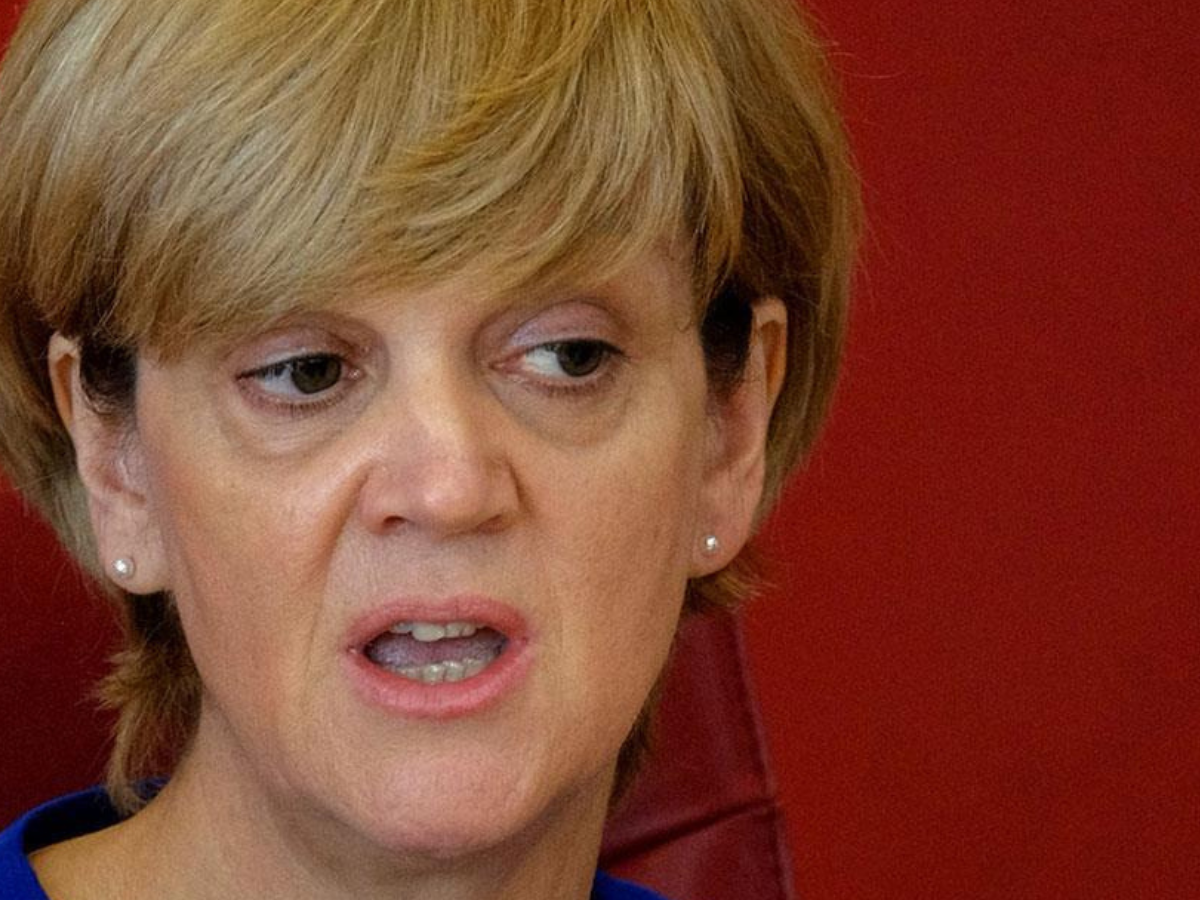
Sheena Cumiskey, a former NHS chief executive, has been appointed as the new Chair of Mersey Care NHS Foundation Trust. She is expected to take up the post this summer, bringing more than three decades of healthcare experience to the trust as it navigates a period of leadership change following the departure of its previous chair.
Ms Cumiskey succeeds Rosie Cooper, the former Labour MP for West Lancashire, who stepped down from the chairship in 2023 citing health reasons. Cooper had been a prominent figure at the trust during a period of considerable organisational growth, and her departure left a significant vacancy at board level. The appointment of Ms Cumiskey is intended to provide continuity of senior oversight as Mersey Care enters a new strategic cycle.
Ms Cumiskey served as Chief Executive of Cheshire and Wirral Partnership NHS Foundation Trust for 12 years before retiring in 2022. During that period, she established a national profile in mental health leadership, appearing repeatedly on lists of the most influential figures in the health service and receiving a Chief Executive of the Year award. In 2022, she was awarded an MBE for her services to mental health.
Her influence extended beyond organisational management. Ms Cumiskey contributed to the development of national mental health policy, including serving as an adviser during the creation of the NHS Mental Health Long Term Plan, the framework that set out the direction for mental health investment and service development across England. That experience places her among a relatively small number of trust leaders with direct input into national planning at that level.
Mersey Care has grown substantially in recent years. The trust now provides mental health, learning disability, addiction, and community health services across a wide geography, including Liverpool, Sefton, Halton, and parts of Cheshire. It also operates high-secure psychiatric provision, making it one of the more operationally complex trusts in the country. That range of services places particular demands on its leadership, requiring familiarity with both community-facing care and highly specialised clinical environments.
Ms Cumiskey's background in integrated care is considered directly relevant to the trust's position within the Cheshire and Merseyside Integrated Care Board. As NHS England continues to press integrated care systems to coordinate provision and reduce duplication, trust chairs with experience of working across organisational boundaries are regarded as valuable. Her previous role at Cheshire and Wirral Partnership gave her direct exposure to the same regional system in which Mersey Care now operates.
Industry observers have received the appointment positively, noting her familiarity with the region and the particular pressures facing mental health services. Waiting times for mental health treatment remain a national concern, and trusts of Mersey Care's scale are under sustained pressure to meet access targets while managing workforce shortages that have affected the sector since before the pandemic.
No formal statements on strategic priorities have been issued in connection with the appointment, and Ms Cumiskey is not expected to begin in post until later in the year. The trust's executive leadership team, including Chief Executive Joe Rafferty, who has led Mersey Care since 2012, will remain in place. The chair and chief executive relationship will be a focus of attention given Rafferty's long tenure, which has coincided with much of the trust's expansion.
The appointment follows standard NHS governance procedures for trust chair roles, which are approved by NHS England and subject to the Nolan principles of public life. Mersey Care serves a population with some of the highest rates of mental health need in England, concentrated in areas of significant socioeconomic deprivation across Merseyside. How Ms Cumiskey positions the trust within regional and national structures in the coming years will be determined, in part, by decisions taken at integrated care board level that remain outstanding.



.png)
.png)
.jpg)