
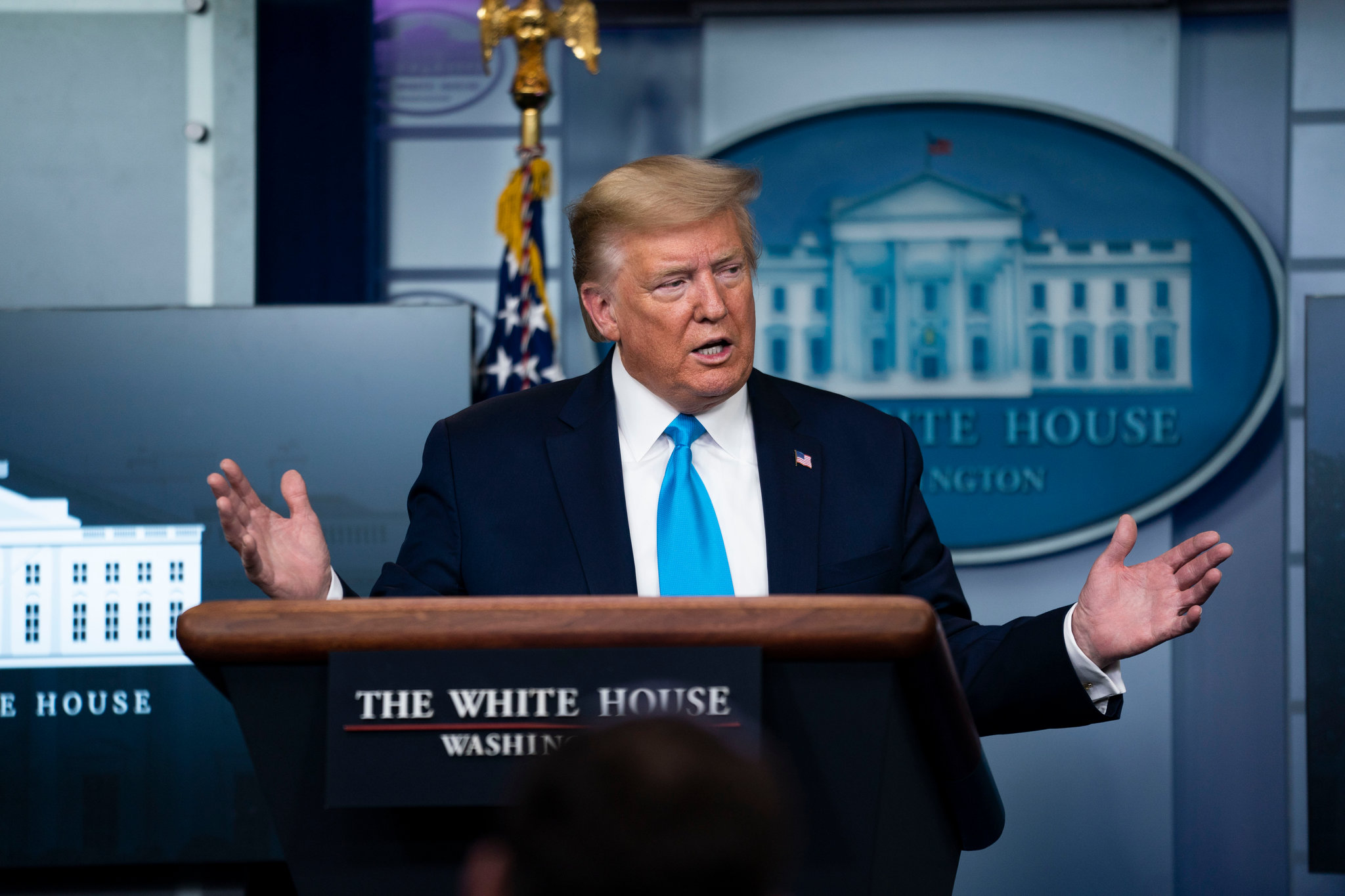
The United States officially concluded its withdrawal from the World Health Organisation (WHO) in January 2026, marking the first time a member state has ever left the UN's specialised health agency since its founding in 1948. President Donald Trump's administration formally initiated the departure on January 20, 2025, via executive order, triggering the year-long notice period that ended on January 22, 2026.
This decision led Washington to terminate all U.S. funding to the WHO and recall American personnel from Geneva and other WHO offices globally. The U.S. Department of Health and Human Services (HHS) and the Department of State cited long-standing dissatisfaction with the WHO's handling of the COVID-19 pandemic, concerns about perceived political influence, and a preference for direct bilateral health engagements as the primary drivers.
Despite the formal exit, the relationship is not cleanly severed. The WHO noted that while the withdrawal is effective, outstanding membership dues and financial obligations under the WHO Constitution remain. Until these fiscal and legal issues are resolved, the institutional and legal relationship continues to require negotiation. The withdrawal has provoked strong reactions from health experts and public health organisations. The WHO expressed regret, underscoring the U.S.'s historical importance to global health and reaffirming its own commitment to ongoing collaboration and systemic operations, such as outbreak response and routine immunisation.
Critics warn that the departure poses significant risks to global disease surveillance and outbreak response. As the WHO's largest historical financial contributor, the U.S. played a crucial role in initiatives like influenza strain surveillance, polio eradication, and emergency alert networks. Non-membership now restricts American scientists and agencies' access to the real-time global data shared through WHO coordination mechanisms, potentially creating blind spots in early warning systems. Independent analyses suggest this has already reduced capacity in crucial systems like the Global Influenza Surveillance and Response System, potentially weakening preparedness for seasonal and pandemic flu in the U.S. and globally.
The U.S. government maintains that international health cooperation will continue through planned bilateral partnerships and direct engagements with other countries, the private sector, NGOs, and scientific institutions. However, these alternative arrangements are widely viewed as lacking the comprehensive multilateral infrastructure provided by the WHO. The dynamics of U.S. engagement are complicated by sub-federal actions. California, for example, became the first U.S. state to join the WHO’s Global Outbreak Alert and Response Network (GOARN) following the federal withdrawal. This action signals local commitment to global health and reflects state-level concern that national disengagement could weaken public health preparedness both domestically and abroad.
Globally, the U.S. exit is reshaping geopolitical influence within the WHO. Without Washington's leadership and funding, other nations and blocs—including the European Union, China, India, and various regional coalitions—are likely to assume greater influence over WHO governance and priority-setting, potentially affecting the balance of global health strategies. Crucially, American public health actors are not entirely isolated. Informal scientific collaboration, such as between the U.S. Centers for Disease Control and Prevention (CDC) and WHO technical teams, is expected to continue outside the formal membership structure. This may preserve some vital channels for information sharing and coordination in areas of shared interest.
For health professionals and policymakers worldwide, the U.S. withdrawal highlights the fragility of global health cooperation, potentially weakening collective action against shared threats like pandemic influenza and antimicrobial resistance. Conversely, it prompts remaining WHO member states, including the UK, to consider strengthening collaborative mechanisms and funding stability to ensure the resilience of global health governance.
In conclusion, while the United States formally withdrew from the WHO in January 2026, the full implications—spanning public health impact, financial obligations, and scientific collaboration—are far from settled and will continue to unfold on the global stage.



.jpg)
.jpg)
.jpg)