
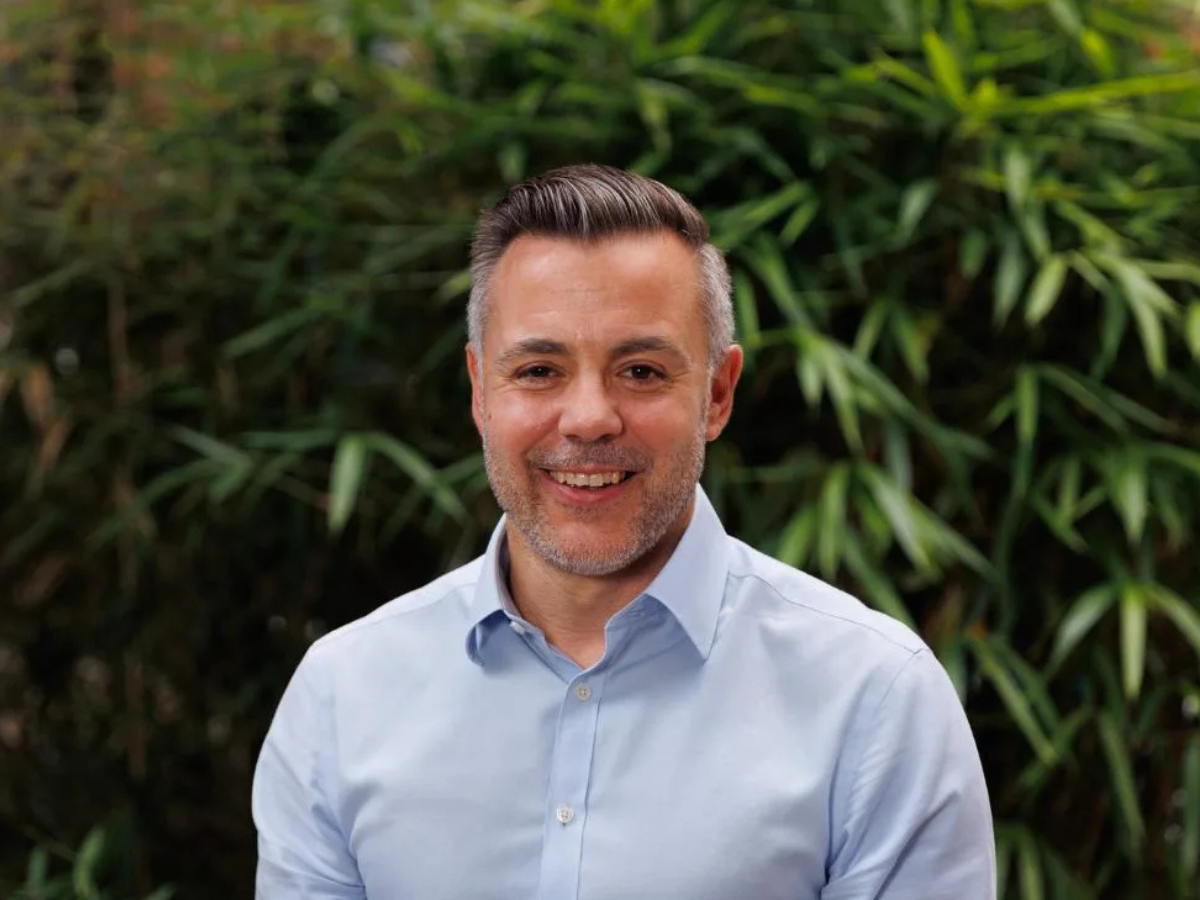
Simon Ashton, currently chief executive of Newham University Hospital, has been appointed to lead a newly formed ambulance trust group that will oversee emergency services for approximately nine million people across its combined catchment area.
The appointment marks one of the more significant consolidations in NHS emergency services in recent years. Two ambulance trusts will operate under a single leadership structure, with Ashton assuming overall responsibility for their performance, strategy and day-to-day management. The move follows a pattern visible elsewhere in the NHS, where group models have been introduced to reduce duplication, standardise practice and create a more coherent chain of accountability across previously separate organisations.
Ashton has spent a substantial part of his career within Barts Health NHS Trust, one of the largest acute providers in England, encompassing several major hospitals across east London. His work at Newham University Hospital, which sits within that group, has given him direct experience of managing a busy urban site under considerable demand pressure. Newham serves one of the most deprived and densely populated boroughs in the country, and the hospital consistently operates at or near capacity.
The decision to appoint a hospital executive to lead an ambulance group is deliberate. Ambulance services and acute hospitals are closely interdependent, and the persistent dysfunction at the boundary between them has been one of the most damaging problems facing urgent and emergency care. Handover delays, where ambulance crews wait outside emergency departments unable to transfer patients, have cost millions of hours of ambulance capacity over the past several years. Someone who has managed that interface from the hospital side brings a different perspective to the problem, and the hope is that Ashton understands what acute trusts need from their ambulance partners in a way that shapes how he runs the group.
Whether that background translates cleanly into ambulance operations is a reasonable question. Running a hospital and running an ambulance service require overlapping but distinct capabilities. The logistical complexity of managing fleets, dispatch systems, response time targets and highly mobile workforces spread across a large geography is operationally different from managing a fixed-site institution. Ashton will need to build credibility with staff and senior leaders within the ambulance trusts themselves, particularly given that neither organisation was independently failing in a way that obviously necessitated external leadership.
The new group will face immediate pressure on performance. Category 2 response times, covering serious but not immediately life-threatening emergencies such as suspected strokes and heart attacks, have remained stubbornly above NHS targets across much of England. The national average has improved modestly over the past year but continues to fall short of the 18-minute mean target. For a group of this size, even marginal improvements in resource allocation or dispatch efficiency could translate into meaningful gains for patients.
Integrating two organisations under shared leadership also carries cultural risk. Ambulance trusts have their own identities, their own senior teams and their own ways of working. Staff may welcome the consolidation if it brings clearer direction and better resources, or resist it if it feels like absorption into a structure that does not reflect their professional experience. How Ashton manages that early period of uncertainty will matter considerably to whether the group model achieves what its architects intend.
The broader policy logic behind the appointment is that closer alignment between ambulance services and acute hospitals will reduce the friction that currently wastes time and degrades patient outcomes at the most critical point of contact. That ambition is sound. The NHS has tried to address handover delays through targets, protocols and national guidance, with limited success. A structural solution, placing hospital and ambulance oversight under more integrated leadership, is a different kind of intervention. Whether it works will depend less on the logic of the reorganisation than on the judgements Ashton makes in his first year.



.png)
.png)
.jpg)