

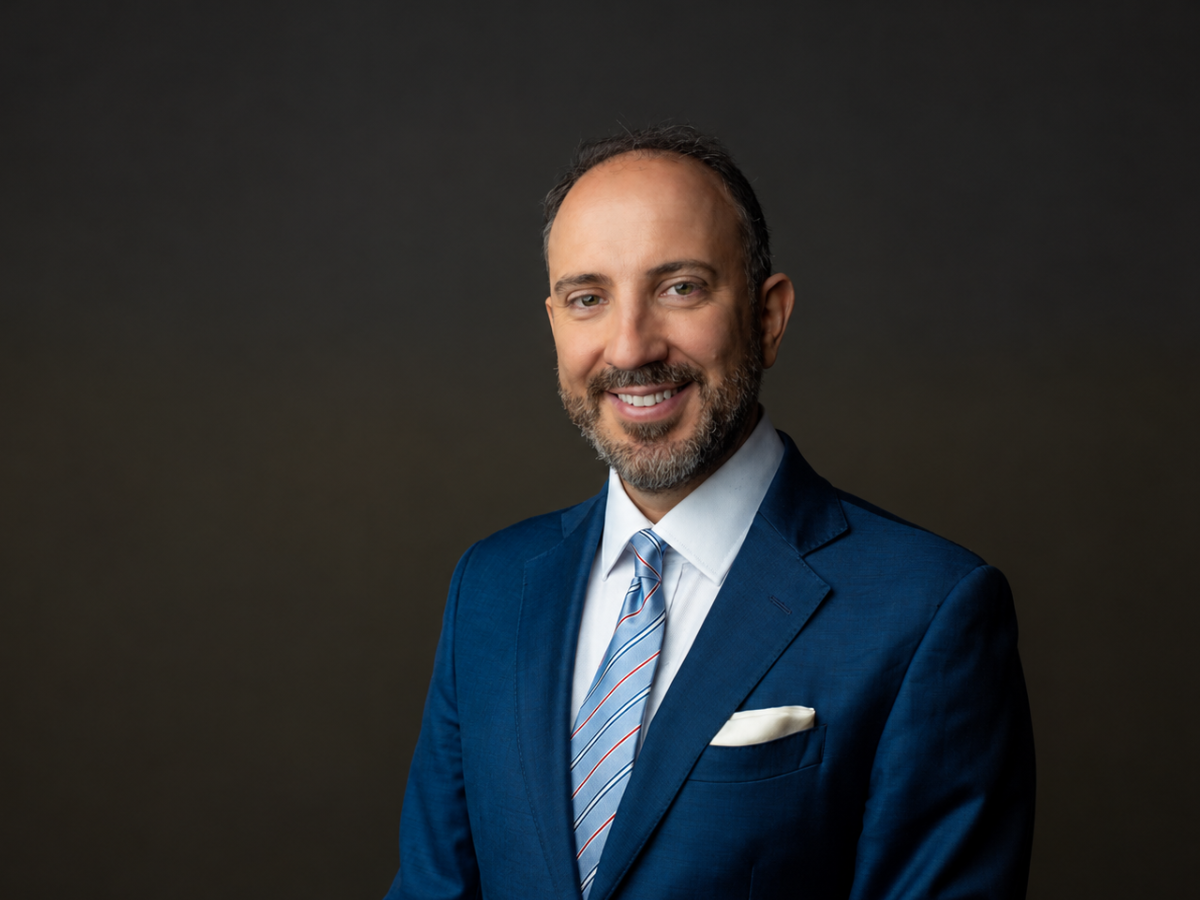
One of Britain’s largest and most politically exposed hospital trusts has just changed hands at the top. Matthew Trainer has been appointed chief executive of King’s College Hospital Foundation Trust, an organisation with a budget of roughly £2bn and responsibility for some of the most complex care in London. His arrival marks the end of a six year tenure by Professor Clive Kay, who will step down this summer after guiding the trust through one of the most turbulent periods in NHS history.
Trainer arrives with a reputation forged in some of the health service’s toughest environments. Since 2021 he has led Barking, Havering and Redbridge University Hospitals Trust, a large east London provider that until recently struggled with chronic operational pressures and regulatory scrutiny. Before that he ran Oxleas Foundation Trust in south London, overseeing mental health and community services across several boroughs. The new role therefore represents both a homecoming and a step up. Earlier in his career Trainer served as managing director of the Princess Royal University Hospital in Bromley, one of the hospitals within the King’s group. That experience gives him familiarity with the trust’s clinical culture and the unique pressures of its patient population. Speaking about the appointment, he described the opportunity as a privilege and noted that King’s was the first hospital environment where he built his career. For NHS insiders, however, the appointment carries broader implications. Running King’s is widely considered one of the most demanding leadership posts in the health service. The trust combines major trauma care, highly specialised services and a complex urban patient base that places constant strain on emergency departments, bed capacity and workforce resilience. Whoever sits in the chief executive’s office inherits not only a hospital group but a political lightning rod.
King’s is not just another hospital trust. It is a flagship institution with national significance, running several major hospitals across south London and providing specialist services that reach far beyond the capital. From advanced liver care to trauma and neurosciences, the organisation handles some of the most complex clinical activity in the country. That scale brings prestige but also relentless operational pressure. Emergency demand rarely falls, staffing shortages remain a constant challenge, and waiting list targets loom over every executive decision. Against that backdrop, leadership stability matters enormously. Professor Clive Kay’s six year tenure was defined by crisis management as much as strategic planning. The pandemic tested every NHS organisation, but large urban teaching hospitals felt the strain most intensely. Kay’s departure therefore signals a turning point. The question facing the system now is whether the next phase will be one of consolidation or transformation. Trainer’s recent record offers clues. At Barking, Havering and Redbridge University Hospitals Trust he oversaw a period of recovery after years of regulatory intervention. The organisation moved out of special measures and began rebuilding confidence among staff and regulators. Improvements in digital infrastructure, including the rollout of an electronic patient record, helped modernise the trust’s operational backbone. More importantly, insiders credit the leadership team with restoring morale in a workforce that had endured sustained scrutiny. That type of turnaround experience is precisely what makes Trainer attractive to a large trust seeking stability and forward momentum. Yet King’s presents a different kind of challenge. While BHRUT required recovery, King’s demands continuous performance at the highest clinical level while managing huge demand pressures. The operational complexity is immense. Multiple hospital sites must function as a single coordinated system. Specialist services must remain globally competitive. And the trust must navigate the political realities of London healthcare, where performance failures quickly become national headlines.
The stakes extend beyond one organisation. In many ways the leadership of large London trusts reflects the broader state of the NHS. Britain’s health service is under intense pressure from waiting lists, workforce shortages and rising patient expectations. Major hospitals like King’s sit at the centre of that storm. Every delayed ambulance handover, every overcrowded emergency department and every cancelled elective procedure feeds a national narrative about the system’s fragility. That is why appointments like this attract attention far beyond the corridors of the hospital itself. They signal how the NHS intends to respond to the next decade of demand. Trainer’s background suggests a pragmatic operator rather than a grand reformer. Colleagues describe him as someone who focuses on operational fundamentals: workforce engagement, digital infrastructure and steady improvement in performance metrics. Those skills will be essential. Large teaching hospitals cannot rely solely on reputation or clinical excellence. They must operate with the efficiency of complex enterprises while maintaining the culture of public service institutions. King’s also sits in a uniquely diverse catchment area, serving communities with high levels of health inequality and complex social needs. Managing demand in that environment requires careful coordination with primary care, community services and local authorities. The next chief executive must therefore balance immediate operational performance with longer term system transformation. Digital capability, integrated care pathways and workforce development will all shape whether the trust can keep pace with rising demand. The political dimension cannot be ignored either. Hospitals of this scale are watched closely by national policymakers, regulators and the media. Success strengthens confidence in the NHS model. Failure becomes symbolic of deeper systemic problems.
Trainer’s appointment therefore arrives at a moment when the NHS is searching for signs of momentum. The system has spent the past few years focused on recovery from the pandemic and tackling record waiting lists. But the deeper challenge is structural. Demand for healthcare continues to rise faster than capacity. Hospitals must adapt through smarter use of data, stronger clinical networks and better coordination across the health system. Leaders who can navigate that complexity are increasingly rare. Running a £2bn trust is less about managing buildings and budgets and more about orchestrating an ecosystem of clinicians, technology and public accountability. If Trainer succeeds, King’s could become an example of how large NHS organisations evolve to meet modern pressures. If he struggles, the consequences will reverberate well beyond south London. For now the mood within the organisation appears cautiously optimistic. Staff and board members have praised his track record of rebuilding confidence and delivering operational improvements. But the real test will come once the routine pressures of the NHS winter cycle, elective backlogs and workforce shortages collide with the ambitions of a new leadership era. In Britain’s healthcare system, chief executives rarely enjoy a long honeymoon period. The problems arrive quickly and the margin for error is thin. The leadership transition at King’s therefore represents more than a change of guard. It is a reminder that the future of the NHS will depend not just on policy announcements or funding settlements, but on the individuals entrusted with running its most complex institutions.



.png)
.jpg)