.jpg)
For three years, the parents of a young boy consulted 17 clinicians without receiving a diagnosis. After uploading radiology reports, clinical notes and medical records to an AI platform, the system identified tethered cord syndrome as a possibility. Clinicians later confirmed it. Surgery resolved the condition. The technology did not replace the doctors. It helped a family ask a question that years of appointments had not produced.
That case is one of several now cited by health technology firms to illustrate what they describe as a fifth wave of patient empowerment, in which patients are moving beyond access to medical information towards using AI to take direct action on their own care.
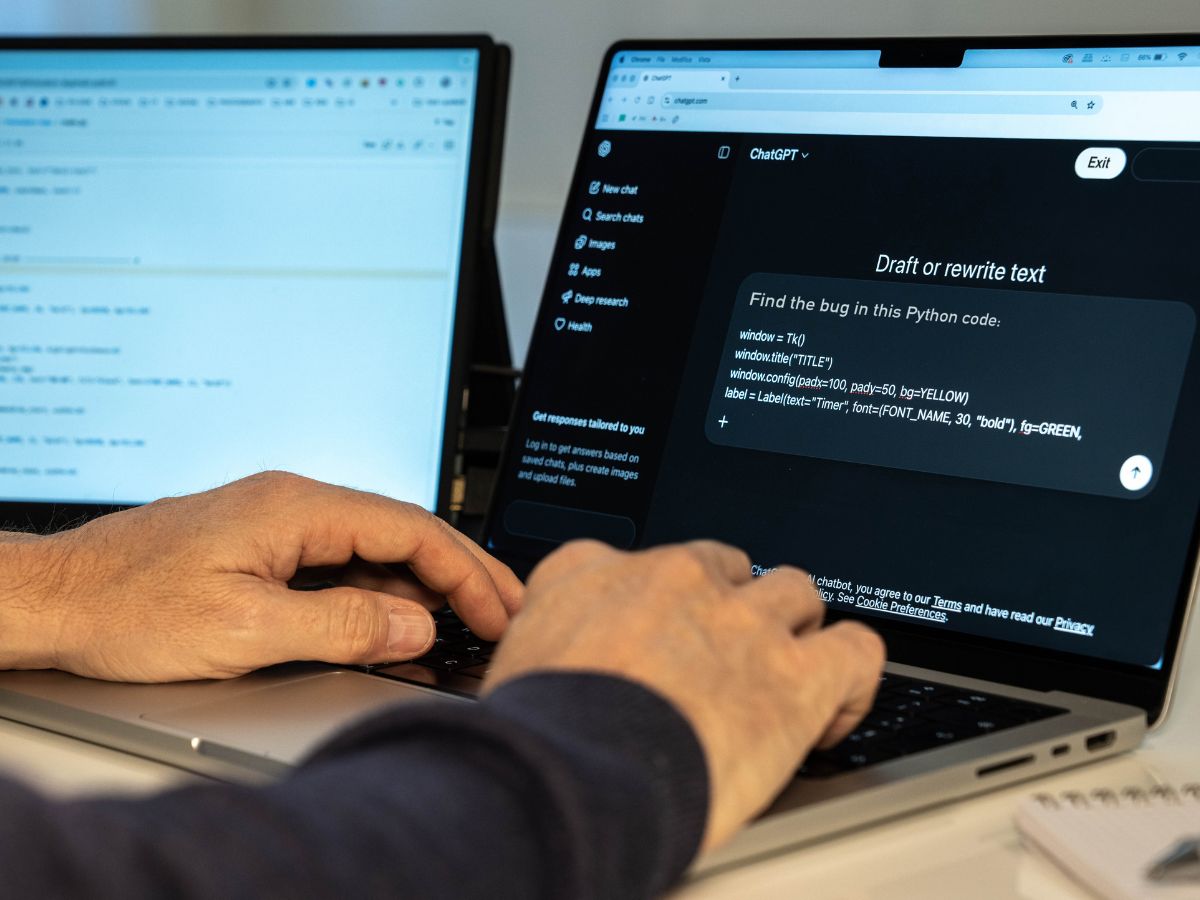
The shift is partly structural. Despite significant investment in digital health infrastructure, the basic architecture of most healthcare systems remains unchanged. Patients wait for appointments, referrals and test results. Between those points of contact, they receive little clinical support. AI tools, readily available via consumer devices, have begun to fill that space.
In a second case, a patient discharged after a dental procedure and reassured that her facial pain was not serious used an AI model to review her symptoms and medical history. The system advised her to seek urgent reassessment. A second clinical opinion confirmed Bell's palsy. Treatment began before permanent damage occurred.
In another instance, a tech entrepreneur turned to an AI model after discovering strange red spots on her legs and failing to contact her medical providers; she subsequently provided the system with her blood test results. The system identified severe thrombocytopenia as a possibility and advised immediate hospital attendance. When she arrived, clinicians confirmed the diagnosis. Her outcome was improved because the warning signs were identified earlier than they might otherwise have been.
Taken together, the cases share a consistent pattern. Patients are using AI not to circumvent clinical care but to reach it more quickly. The technology is identifying decision points that traditional pathways are too slow, or too fragmented, to catch.
Clinicians have generally welcomed AI where it produces better-informed patients. There is, however, significant professional concern about the quality of AI systems that patients access independently, about the accuracy of outputs and about cases where AI might delay or discourage appropriate care. Regulatory frameworks covering direct-to-consumer health AI remain limited in most countries.
Alongside individual use, health technology companies are developing AI systems that aggregate patient-reported outcomes, wearable device data and continuous symptom monitoring to produce a more complete clinical picture. The argument is that clinicians currently see snapshots of a patient's condition during brief appointments, while the data generated between those appointments is largely lost. Continuous monitoring, if reliably interpreted, could support earlier escalation and reduce emergency admissions.
Health systems considering formal integration of AI-generated patient data face practical questions around data governance, clinical liability and workflow integration that remain unresolved. The NHS has invested in several digital health programmes, but the pace of adoption varies significantly across trusts and regions.
What the technology is already demonstrating, in cases where patients have access and the confidence to use it, is that the interval between symptom onset and appropriate clinical response can be shortened. The impact on population-level health outcomes remains to be seen, as it rests on the willingness of health systems to integrate tools that patients are frequently already employing independently of institutional guidance.