.png)
Kanishka Narayan took his seat at the cabinet table for the first time this week as the government's newly empowered minister for artificial intelligence, describing the technology as likely to dwarf every other advance in human history. A few miles away, at Richmond House, officials in the Department of Health and Social Care were absorbing the news that Yvette Cooper would be their third political boss since May. The two events happened within days of each other, in the same reshuffle, and neither side of Whitehall seems to have paused to ask what the other means for its own plans.
That is the quieter story inside this week's restructuring. The Department for Science, Innovation and Technology, created in 2023 to give the tech sector and its regulators a single front door, has been broken up, with its responsibilities scattered across a merged business and trade department, the Cabinet Office and a renamed Department for Digital, Culture, Media and Sport. For a start-up seeking funding or a research institute negotiating access to compute, this dispersal is an inconvenience. For the NHS, which has spent several years building the largest live application of artificial intelligence anywhere in British public life, it removes something closer to essential infrastructure.
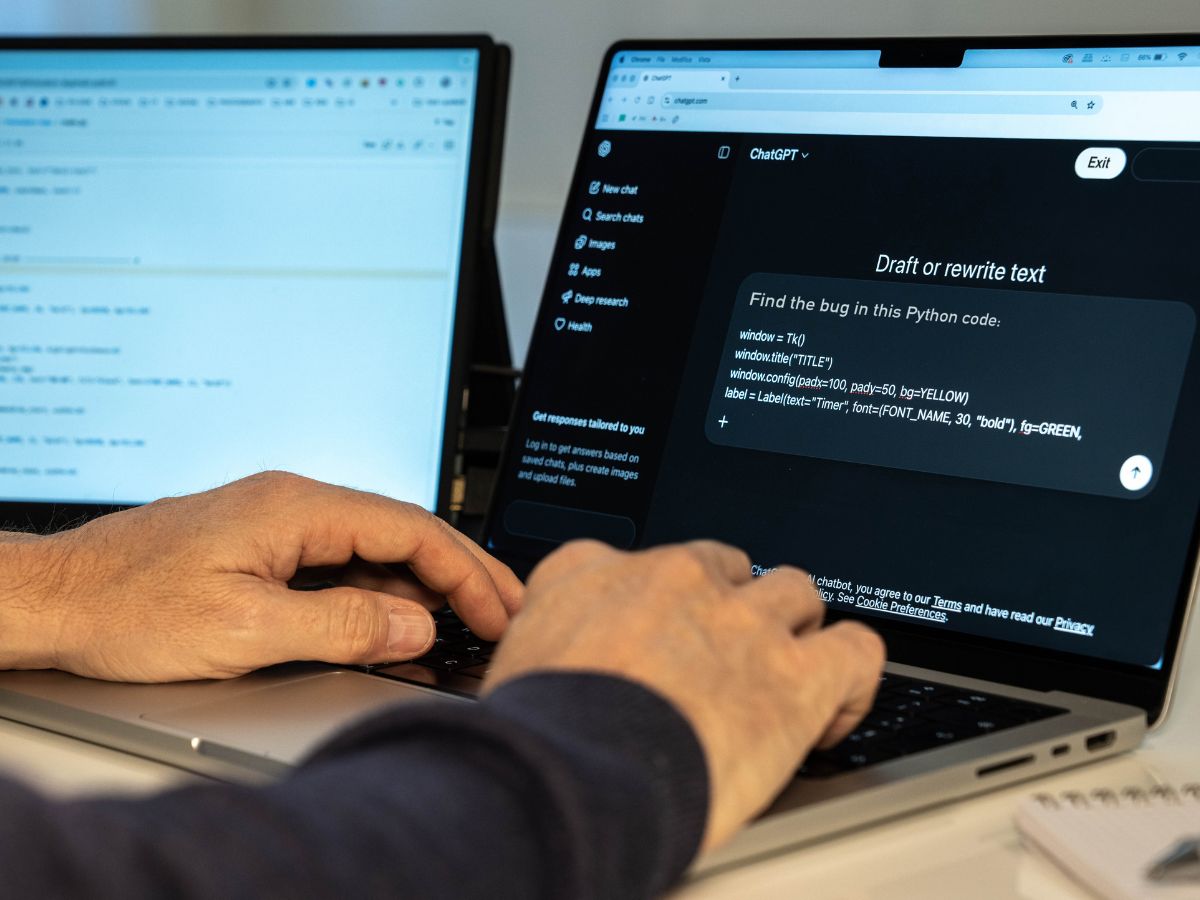
The NHS App now carries appointment bookings and medical records for tens of millions of patients. The Federated Data Platform is being rolled out across acute trusts to manage waiting lists and theatre scheduling. Diagnostic imaging tools trained to spot cancers and eye disease are moving from pilot sites into routine use in radiology and ophthalmology departments. None of these programmes sits inside DSIT itself, but all of them have relied on it as the department health officials could turn to when questions of data standards, algorithmic assurance or AI safety touched their work. That relationship, built over several years of technical negotiation, now has to be rebuilt with at least three separate departments, each with its own priorities and its own new ministers still finding their offices.
The instability does not stop at the department's edge. Wes Streeting's resignation in May, followed by James Murray's brief tenure and now Cooper's arrival, means the DHSC has had three secretaries of state inside a single financial quarter. Cooper is an experienced operator with a long record across the Home Office, the Foreign Office and the Treasury, and nobody should mistake her appointment for a demotion. But NHS digital transformation is not delivered through announcements. It depends on ministers staying long enough to understand procurement contracts, sponsor difficult trust-level rollouts and defend budgets against the pressure of waiting list targets. A department that changes its political leadership every few weeks struggles to provide that continuity, whatever the calibre of the individual in post.
There is a case, made by figures such as Dom Hallas of the Startup Coalition, that elevating the AI brief to cabinet attendance signals serious intent from the new government. That may prove true for the wider technology sector. It is harder to make the same case for health specifically, where the practical work of assurance, interoperability and safe deployment happens well below cabinet level, in the relationships between named officials at DHSC, NHS England's successor bodies and whichever department now owns AI safety policy inside the Cabinet Office.
None of this means the NHS's AI programmes will stall. Trusts have absorbed changes of political leadership before, and the underlying technical work tends to continue regardless of who sits in Whitehall offices. But every reorganisation carries a cost in relearned relationships and re-explained context, and this one arrives at a department already absorbing its own leadership churn. The test for Narayan and for Cooper is not whether either can articulate a vision for AI in health. It is whether the machinery beneath them can still find each other once the reshuffle settles and the harder, unglamorous work of delivery resumes.