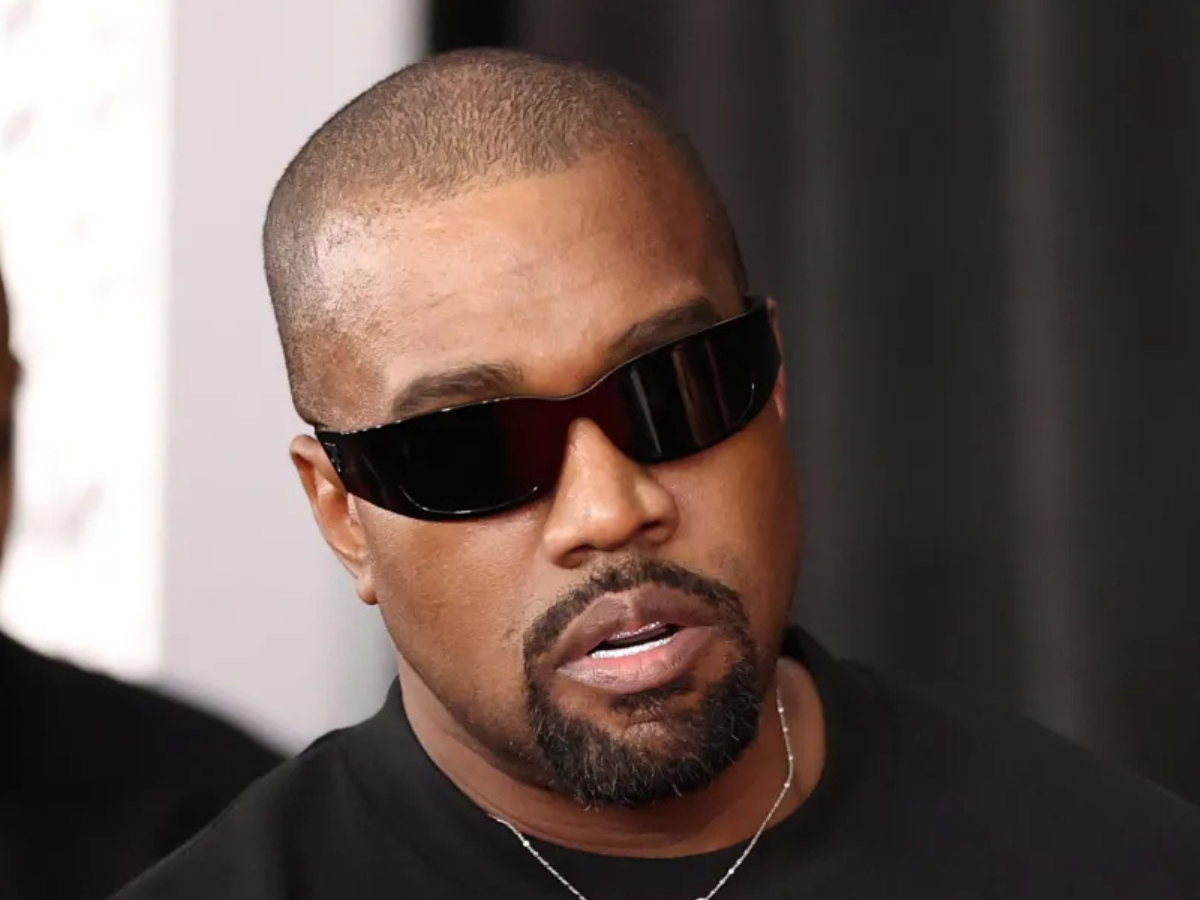
Wireless Festival has been cancelled after the UK government refused entry to its headline act, Kanye West, also known as Ye. The decision followed an application by the artist to travel to the UK using an Electronic Travel Authorisation (ETA), which was subsequently withdrawn by the Home Office.
The Home Office confirmed that the refusal was made on the grounds that West’s presence in the UK would not be “conducive to the public good.” An ETA is required for visitors who do not need a visa for short stays of up to six months or do not already hold UK immigration status. While ETAs are typically granted as part of a standard process, the Home Office retains discretion to refuse entry based on broader public interest considerations.
Wireless Festival organisers issued a statement confirming that, as a result of the decision, the event would not proceed. The festival stated that refunds would be issued to all ticket holders. Presale tickets had already been released and were reported to have sold out, with general sale due to open shortly after.
In its statement, Wireless said that multiple stakeholders had been consulted in advance of booking West and that no concerns had been raised at that stage. The organisers also acknowledged the wider context of the controversy, stating that antisemitism “in all its forms is abhorrent” and recognising the impact such issues have had.
West’s planned appearance had generated significant public and political attention due to a series of antisemitic, racist and pro-Nazi remarks made by the artist in recent years. The booking prompted responses from advocacy organisations, political figures and members of the public.
The Campaign Against Antisemitism supported the government’s decision to refuse entry and criticised the festival’s handling of the booking. The organisation questioned the consultation process referenced by Wireless and stated that concerns should have been identified earlier.
There was also disagreement between festival organisers and Jewish representative groups regarding engagement prior to the event. Wireless indicated that attempts had been made to contact relevant organisations in the days leading up to the festival announcement. A spokesperson for the Board of Deputies of British Jews stated that it had responded positively to a request for a meeting after raising concerns, and that it had not refused engagement.
Political reaction to the decision was consistent across parties. Prime Minister Keir Starmer stated that West “should never have been invited” to headline the festival. Wes Streeting described the artist’s apology as “mealy-mouthed and self-serving” and said that any request for forgiveness should be directed to affected communities. Chris Philp supported the use of immigration powers to prevent West’s entry. Similar positions were expressed by Ed Davey and Nigel Farage.
West issued a statement acknowledging the controversy and stating that he would be willing to meet representatives of the Jewish community in the UK. He said he recognised that “words aren’t enough” and that he would need to demonstrate change through his actions. He added that he was open to dialogue.
Reports also indicated that sponsors had begun to withdraw from the festival as the situation developed. Combined with the removal of the headline act, this contributed to the decision to cancel the event.
The sequence of events follows a clear timeline. West was announced as a headliner for Wireless Festival. Public and political criticism followed. The artist applied for entry to the UK via an ETA. The Home Office refused the application on public interest grounds. Wireless Festival subsequently confirmed its cancellation.


.jpg)