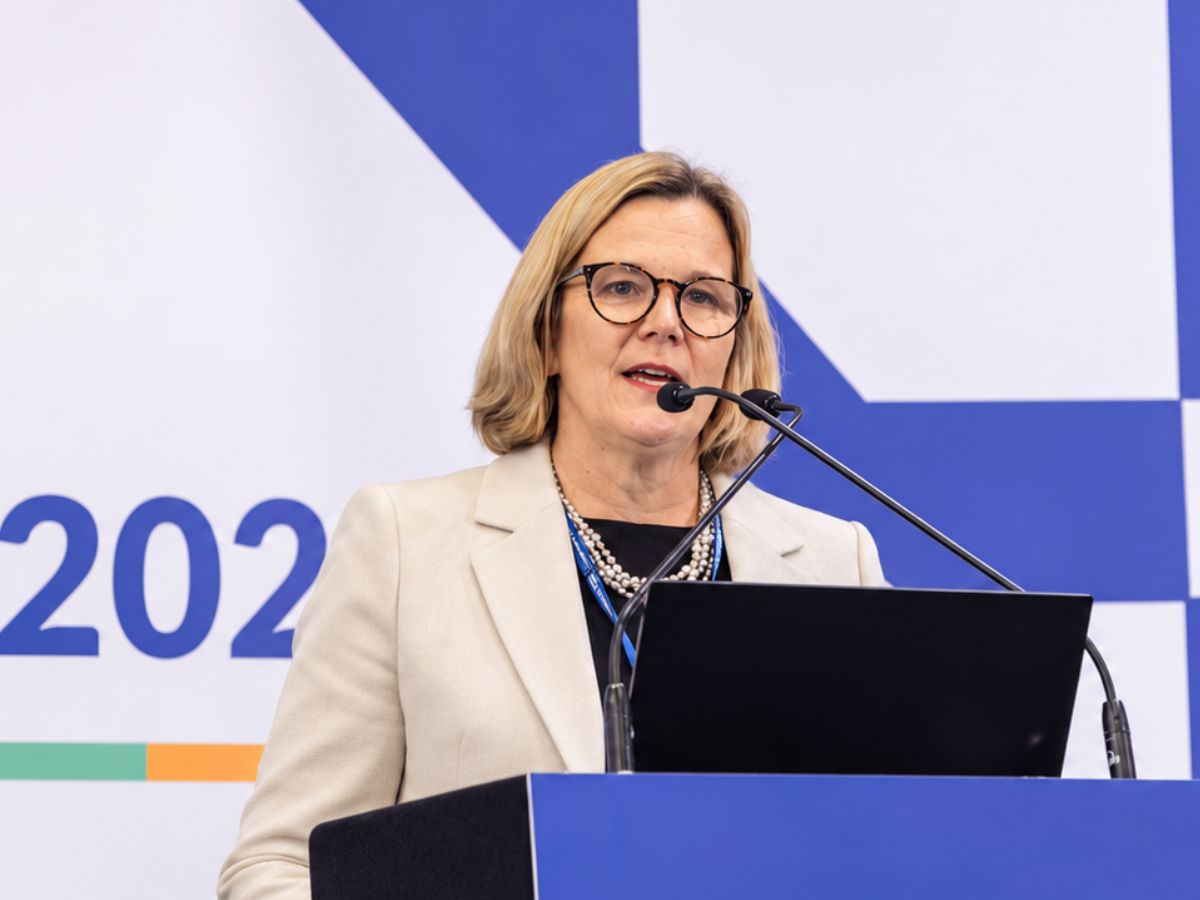
Roger Spencer, Chief Executive of The Christie NHS Foundation Trust in Manchester
A suspected cancer referral begins as a few typed lines in a GP practice and ends, if the system works, as a booked appointment with a patient who knows it is coming. Between those points the request may cross an organisational boundary, wait in a shared inbox, sit in a triage queue and be rekeyed into a second system. Every handover gives an urgent patient another chance to wait in silence. The Christie, Manchester's specialist cancer trust, has now put on record that it sees this hazard at its own front door.
The management report for September, published in the papers for the board meeting of 22 October, states that the current referral and booking process continues to present patient safety risks. Executives agreed that a standardised referral model should be accelerated and that delay from further consultation should be avoided. The same report asks directors to note a proposed partnership with Manchester University NHS Foundation Trust to join the Epic platform, creating a shared care record and joint optimisation of cancer pathways. A full business case is expected in November, with the board due to consider it in December.
The two items sit on separate lines of a long paper, yet they belong together. The habit across the NHS has been to treat a new electronic patient record as the remedy for every workflow defect. Software does not repair a pathway that nobody has agreed how to run. Epic configured around several local variations of referral will reproduce each of them faithfully and at considerable expense. By naming the problem now and pressing for a single model before the build begins, the Christie is asking the question most trusts ask only after go-live.
It is also well placed to do so. The board papers show a trust in the top segment of the national oversight framework, ranked ninth among 134 acute and specialist providers, with its financial plan on track. That gives it room to slow down, and room matters, because the programme is large. The assurance committee has given the EPR programme a medium rating, pending the full business case, affordability and resource assessments, data governance arrangements and independent external assurance. Working with a partner trust adds a further layer, since two boards must agree on configuration, funding and who decides when clinical needs diverge.
The urgency is visible in the trust's current systems. A patient story presented to the board described imaging and outpatient appointments being coordinated across several systems that do not fully integrate. Radiology and care coordination teams are building interim solutions until the new record arrives. Workarounds of that kind hold only while skilled people carry them, and they are the first thing to fail under winter pressure or staff turnover.
For NHS leaders elsewhere, the lesson concerns sequence. Process standardisation should be settled and tested before configuration decisions harden, because reversing them after go-live is slow and costly. Policymakers pursuing a single national patient record should note that the weak points tend to sit at the interfaces between organisations, where central programmes rarely invest. The Christie's own risk register lists delays in referrals from other trusts as a hazard it cannot control. A shared record with one partner addresses only a fraction of that traffic. Referrals from elsewhere in the region will still arrive by whatever route their senders use.
Suppliers and health-tech firms have a stake in this too. Trusts that arrive with an agreed referral model are easier to implement for, cheaper to support and less likely to blame the product for faults in the process. Patients, for their part, will judge the programme by a simple test. They want to know the referral arrived and that someone is acting on it.
The Christie has done the unglamorous thing. It has told its own board that the front door carries risk and asked for the fix to move faster than the technology that will eventually house it. If the December business case shows the same discipline, with referral standards agreed and tested before Epic is built around them, other trusts will have a model worth copying. If the pathway is left to the software, a shared record will only make an unsafe process visible to more people.