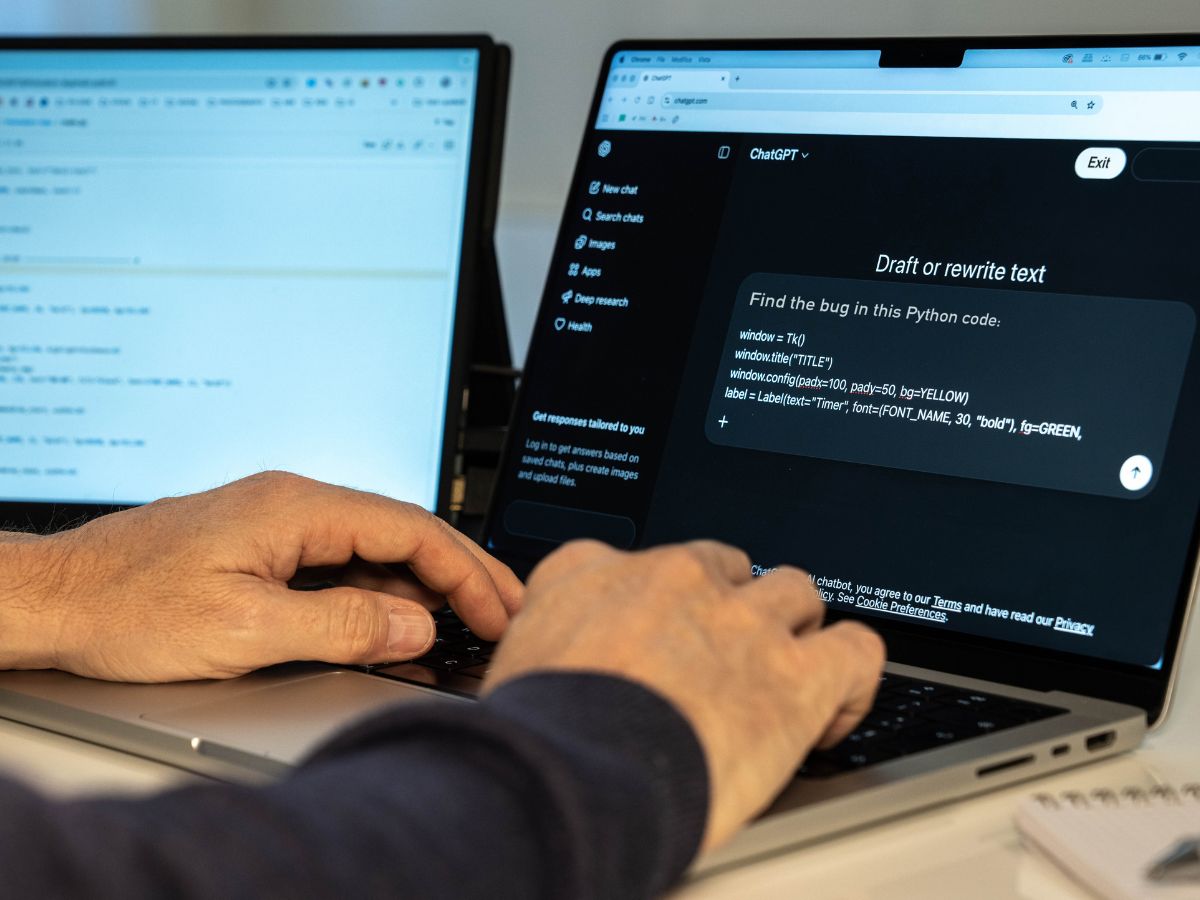
A significant shift is under way in how Americans seek medical guidance. Polling data from Gallup and KFF collected in mid-April 2026 shows that patients are no longer simply searching for symptoms online. They are using conversational artificial intelligence to interpret clinical data, prepare for appointments and, in many cases, replace a visit to their GP altogether.
The trend is not uniform. It reflects deep structural problems in a healthcare system marked by cost barriers, appointment backlogs and, for a notable proportion of patients, a breakdown of trust with human providers.
Speed, Access and the Pre-Visit Ritual
The most common use of AI in healthcare settings is preparatory. Around 71 per cent of users said they turned to AI for speed and information, using it to frame questions before an appointment or to translate technical language from medical reports into plain English. For many, the technology has become a first filter before professional contact rather than a replacement for it.
Roughly 46 per cent of users reported that consulting AI made them feel more confident when they did speak to a clinician, using the AI’s output to structure and direct those conversations.
A Safety Net for Lower-Income Patients
The picture changes significantly across income brackets. For households earning less than $24,000 per year, 32 per cent cited cost as their primary reason for consulting AI instead of a doctor. Others pointed to appointment unavailability or a reluctance to raise certain symptoms with a human professional.
Lower-income patients are, according to the data, 16 times more likely than higher earners to use AI as a direct substitute for a paid medical consultation. For this group, the technology functions less as a convenience and more as an alternative to care they cannot otherwise access. Shift workers and parents with young children account for a significant portion of after-hours usage, accessing AI when traditional services are closed.
From Search to Synthesis
What separates this moment from the era of searching symptoms online is the nature of the interaction. Earlier search tools returned lists of links. Generative AI produces a conversational response, capable of taking raw clinical data, such as a blood test or imaging report, and constructing a narrative explanation of what it means.
This carries a clinical risk. The confident, explanatory tone that users find appealing can also be mistaken for certainty. Patients may interpret an AI response as a definitive diagnosis, potentially delaying professional assessment of a serious condition.
The ‘Dismissal’ Factor
Approximately 21 per cent of AI health users said they had turned to the technology after feeling dismissed or ignored by a human provider. This figure is higher among women and patients from ethnic minority backgrounds. For this group, the appeal of AI lies partly in its consistency: it does not interrupt, does not minimise concerns and provides the same thoroughness regardless of how much time has passed or how complex the query.
Medical bodies have been clear in their warnings. AI lacks clinical context and cannot replicate the physical and observational assessments that underpin a consultation. It cannot examine a patient, detect the things left unsaid or apply the kind of experiential judgement that a trained clinician brings to ambiguous presentations.
Health technology advocates take a different view. Patients who have used AI to research their conditions, they argue, are better equipped to self-advocate and to manage chronic illness over time.
A Signal From the System
The rise of AI as a medical intermediary is, at its core, a reflection of system failure. Where healthcare is expensive, slow or perceived as dismissive, patients will find alternatives. The data suggests that generative AI has become that alternative for a substantial and growing share of the population.
Whether those patients receive accurate advice in the process remains an open question. What is clear is that, unless traditional healthcare becomes more accessible and responsive, the algorithmic consultation will continue to fill the gap.


.jpg)