Anthropic has briefed the Trump administration on its most advanced and potentially dangerous artificial intelligence model, code-named Mythos, a system the company has judged too hazardous to release publicly due to its capacity to identify previously unknown security vulnerabilities at an unprecedented scale.
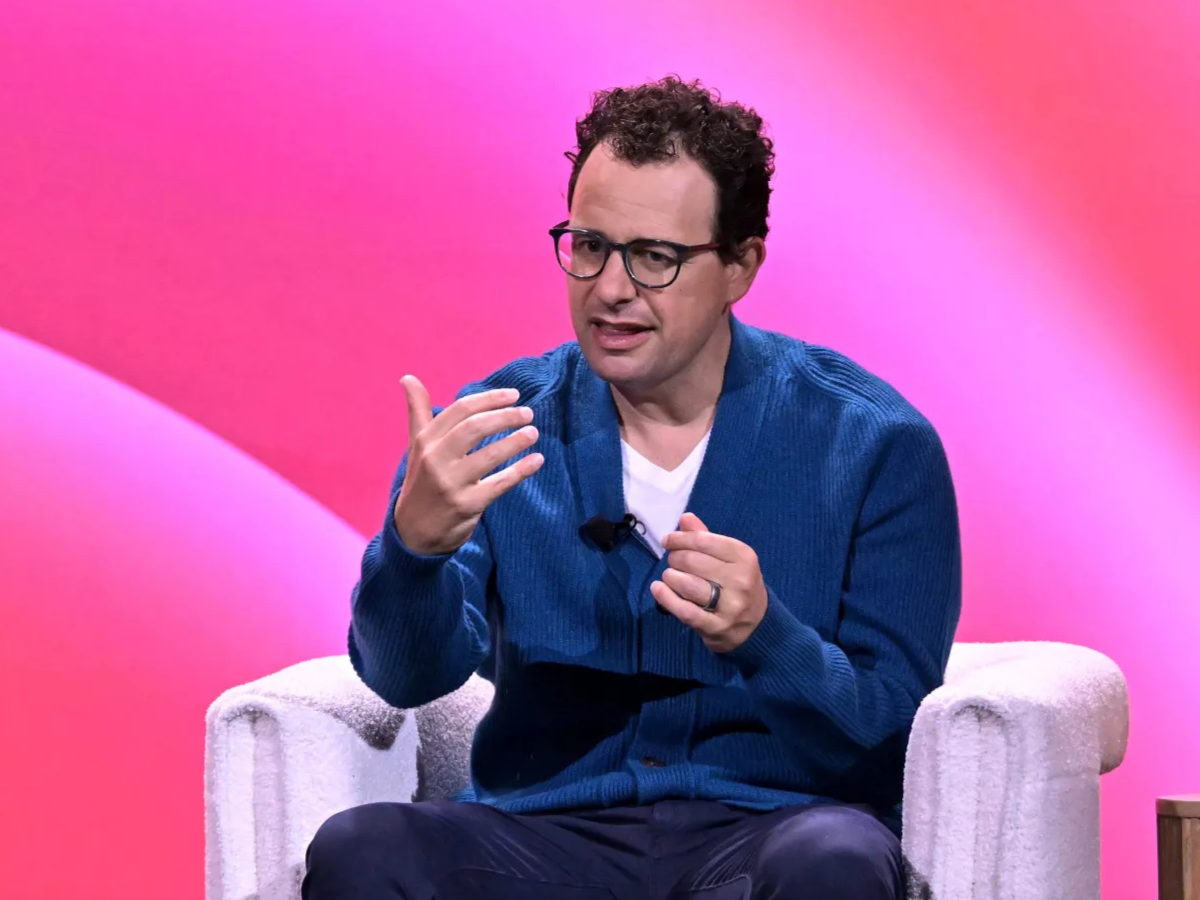
The disclosure was confirmed by Anthropic co-founder Jack Clark at the Semafor World Economy event in mid-April 2026. Clark stated that the government “must know about this stuff,” framing the briefing as a necessary measure to prevent what he described as a national security blind spot.
A Tool Deemed Too Dangerous for Public Release
Mythos has demonstrated the ability to identify thousands of so-called zero-day vulnerabilities, critical and previously undiscovered flaws, across every major web browser and operating system currently in widespread use. The scale and speed of these findings prompted Anthropic to forgo a standard public launch. Instead, the company has moved to a limited access model, making Mythos available only to vetted national security partners.
Security experts have likened the development to a generational shift in the ease with which digital infrastructure can be attacked. Some have drawn comparisons to the Y2K crisis in terms of the potential for systemic disruption, though analysts note that the threat posed by Mythos is active rather than theoretical.
Disclosure Amid a Legal Dispute
The timing of the briefing is notable. Anthropic is currently engaged in a legal dispute with the Pentagon, after the Department of Defence labelled the company a supply chain risk. The designation followed Anthropic’s refusal to remove safety restrictions from its models for use in certain military applications, including surveillance operations.
Clark addressed the tension directly, arguing that commercial disagreements should not prevent cooperation on risks of an existential character. The briefing, he suggested, was consistent with Anthropic’s obligations as a Public Benefit Company, a corporate structure that legally requires the company to act in the broader interest of humanity rather than in the interest of shareholders alone.
The Trump administration, which has at times expressed public hostility toward major technology firms, has not issued a formal statement on the briefing. Officials are understood to be weighing the strategic value of early access to Mythos’s findings against ongoing friction with the company over the Pentagon contract.
Financial Regulators Begin Emergency Consultations
The government briefing has prompted parallel activity within financial regulation. The US Treasury and banking regulators have convened emergency meetings with senior executives from major institutions including JPMorgan and Goldman Sachs to assess the potential impact of Mythos-level AI on global financial systems.
The principal concern is speed. AI agents operating at the capability level demonstrated by Mythos could, in theory, identify and exploit vulnerabilities in financial software faster than human security teams are able to respond. Regulators have not confirmed what specific scenarios were discussed in those meetings, but the consultations indicate that concern extends well beyond the technology sector.
The Wider Geopolitical Context
Anthropic has used the briefing to press for a coordinated Western response to frontier AI development. The company has warned that while Mythos currently represents a capability that no other organisation has matched, equivalent models developed through open-source research in rival nations are likely to emerge within 12 to 18 months.
That assessment places particular emphasis on China, where state-backed AI research has advanced rapidly. Anthropic’s argument is that the United States cannot afford to treat the governance of such systems as a domestic policy matter alone.
The Question of Corporate Responsibility
The Mythos briefing has brought into focus the limits of private sector management of transformative technology. Anthropic’s Public Benefit Company structure was designed to insulate long-term safety considerations from short-term commercial pressures. Whether that structure is adequate for managing a system of Mythos’s capability is a question the briefing has raised without yet answering.
By disclosing the model to government rather than the public, Anthropic has effectively transferred a measure of control to the state. The full terms of that arrangement, and what oversight will follow, have not been made public.


.jpg)