
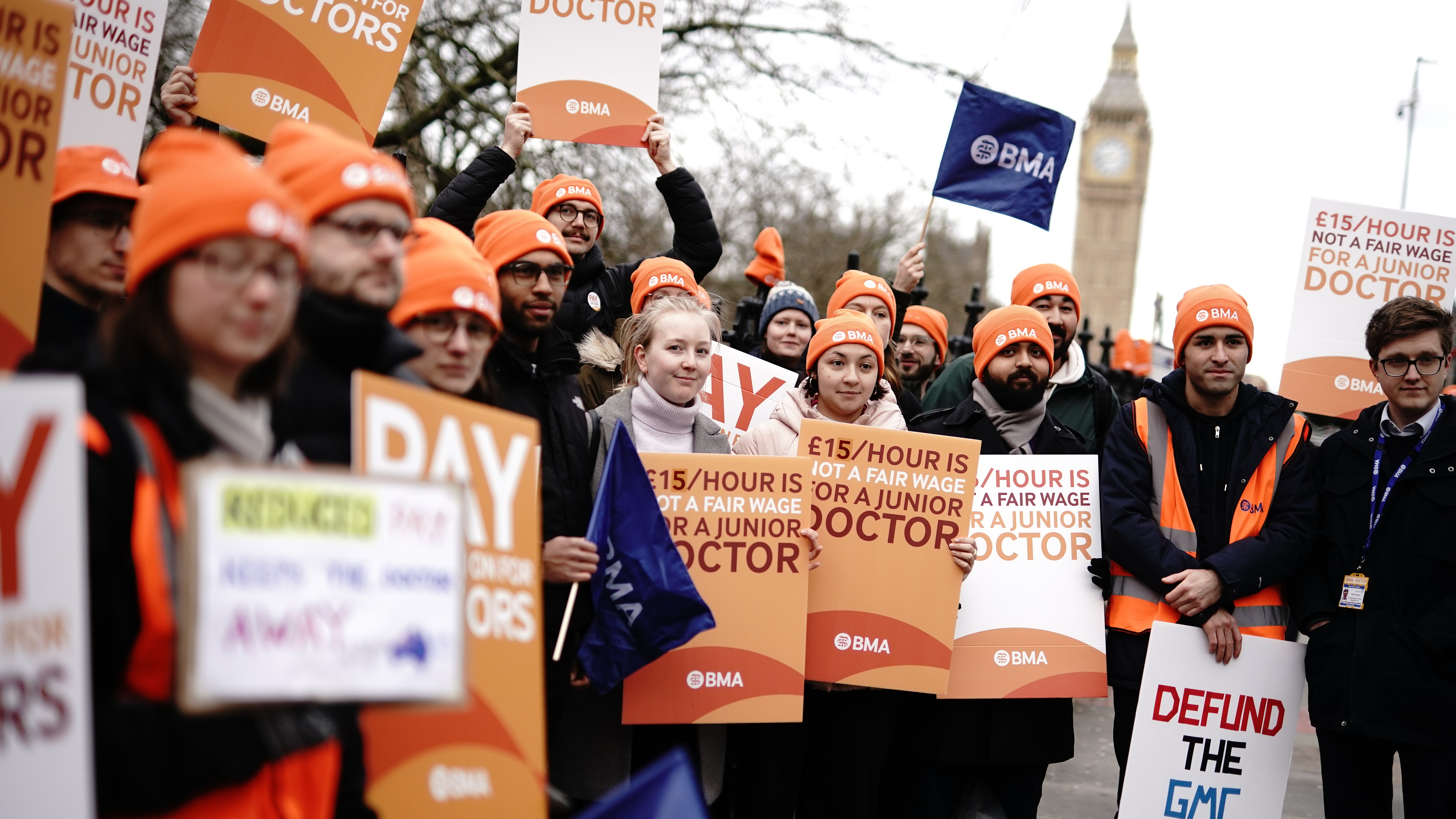
The prospect of further industrial action by resident doctors in England appears to be receding, despite the recent renewal of their strike mandate. A senior representative for the doctors has indicated that negotiations with the government over pay, training, and workforce issues are becoming "increasingly positive" and "constructive," offering a potential breakthrough in a two-year-long dispute that has significantly impacted the NHS.
Dr. Arjan Singh Nagra, Deputy Chair of the British Medical Association (BMA) resident doctors’ committee, confirmed that there is "no intention to go on strike" at this time, even with a fresh mandate for action secured. Speaking on BBC Radio 4’s Today programme, Dr. Nagra described the improved relationship with government negotiators. He clarified that the current six-month mandate, which provides the legal basis to call strikes, is being held as a "negotiating tool," not a guaranteed trigger for walkouts.
The renewed mandate follows a ballot where approximately 93% of voting members supported industrial action, though the turnout was modest, just exceeding the 50% legal threshold. Dr. Nagra's remarks suggest a preference to avoid using this leverage if a deal can be reached collaboratively.
The tone of discussions has reportedly shifted in recent weeks, with government officials adopting a more collaborative stance. Dr. Nagra highlighted progress on key concerns beyond pay, specifically mentioning training and job opportunities. He noted the government's proposed Medical Training (Prioritisation) Bill, aimed at giving UK graduates preference in specialty training applications, as a positive step—albeit "the bare minimum" and a "framework we can build on."
While the dispute was initially driven by demands for pay restoration—resident doctors argue their real-terms earnings have been eroded over years—pay remains an unresolved issue. The government maintains it cannot substantially go beyond recent awards, which include above-inflation increases granted in recent years, raising pay cumulatively by nearly 29 per cent over several years. The union argues this is insufficient to address long-term pay decline.
Dr. Nagra acknowledged the significant gap on pay, stating a settlement is still "a long way to go," but stressed that the current negotiating climate is more constructive, favouring a deal over further walkouts.
Both the government and health sector leaders have advocated for deeper engagement to avoid costly disruptions. Health Secretary Wes Streeting and ministers have emphasised the importance of constructive dialogue, pointing to existing investments in training and urging a focus on broader workforce solutions. A Department of Health and Social Care spokesperson echoed this, confirming "intensive and constructive discussions" are underway to secure a deal.
An end to the cycle of industrial action would be welcome news for the NHS, where disputes have repeatedly slowed progress on reducing backlogs, impacted patient care, and eroded morale. While significant differences remain, both sides are engaged in a more collaborative dynamic, suggesting that a negotiated settlement, bringing stability back to workforce relations, may be within reach.



.jpg)
.jpg)
.jpg)